
Last updated November 17, 2026
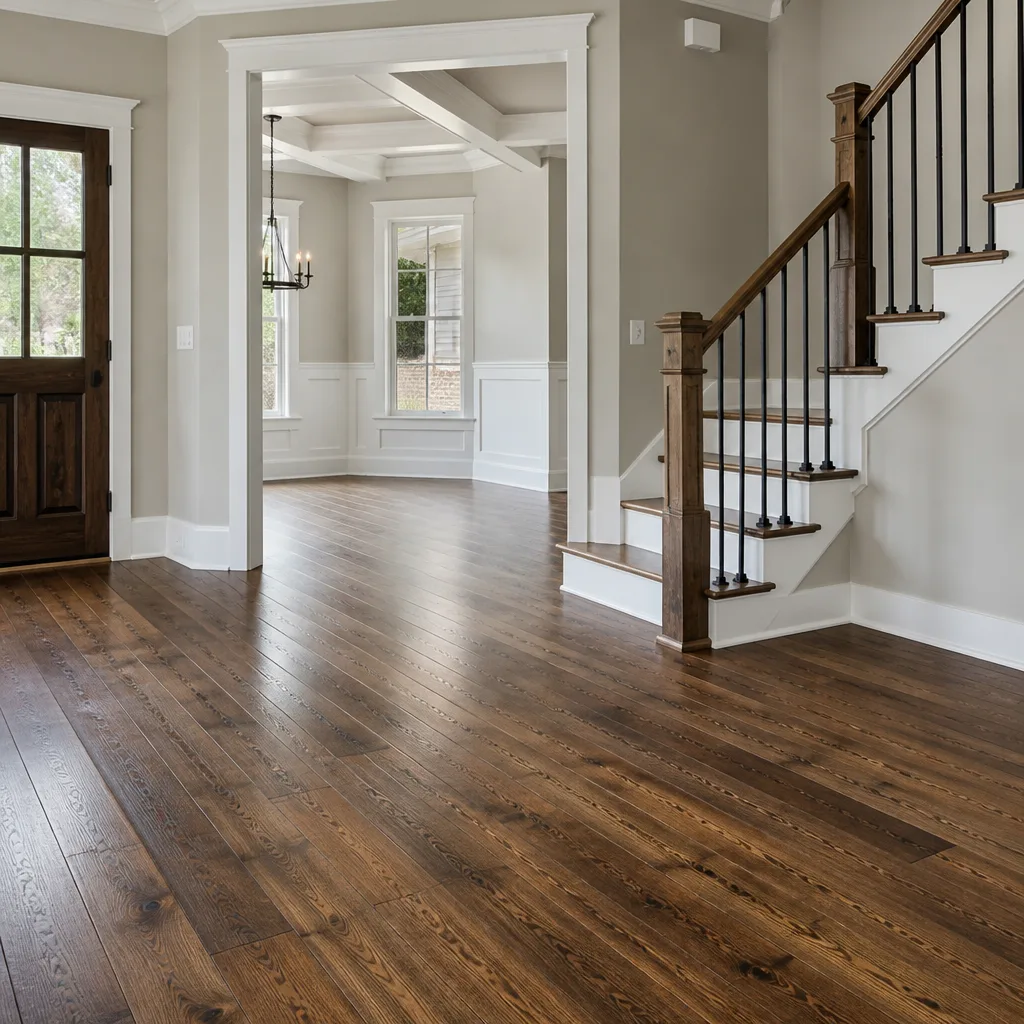 Hardwood
 Engineered hardwood
 Luxury vinyl plank
 Laminate
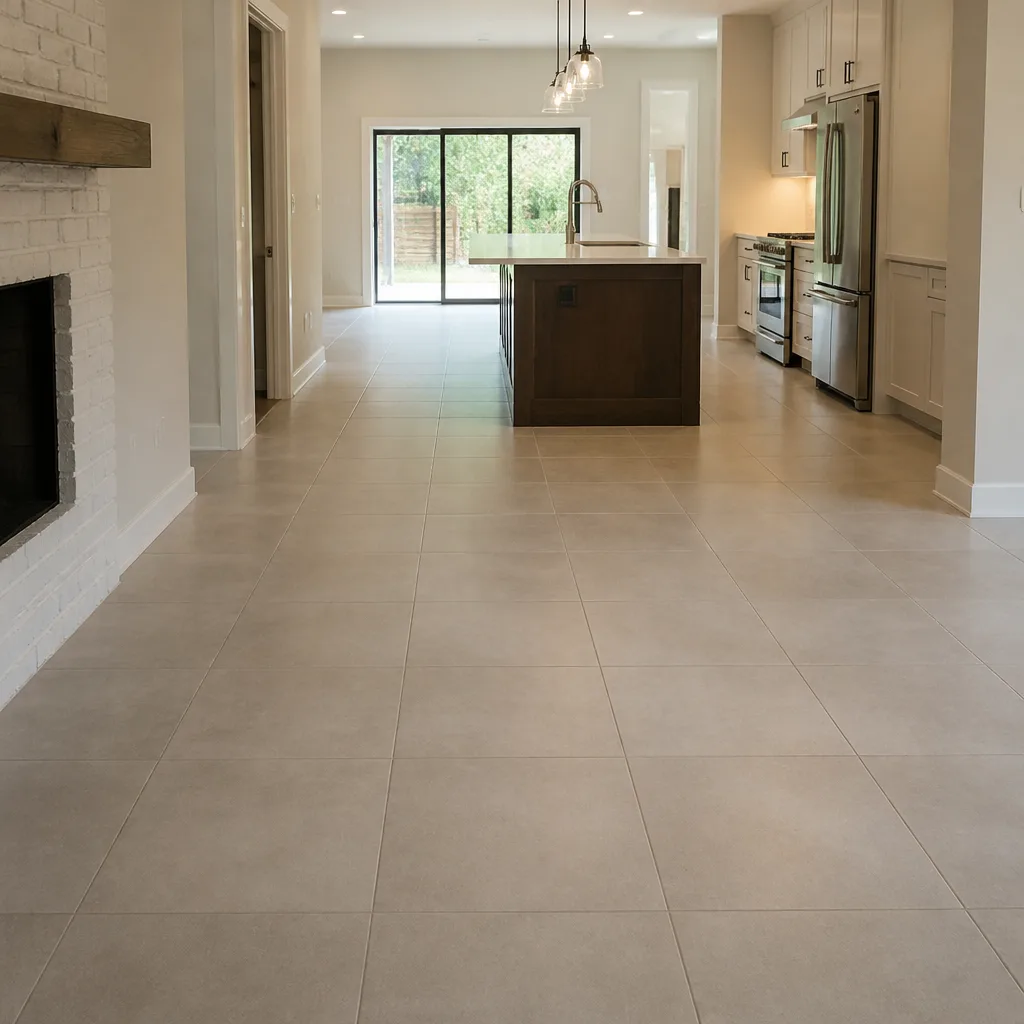 Porcelain tile
 Carpet
 Shaw
 Mohawk
 COREtec
 Pergo
Free in-home measure and written estimate: Shaw, Mohawk, COREtec and Pergo lines compared on your own rooms, with carpet, tile, vinyl plank, laminate and hardwood laid out side by side
Get your free estimateWhat Happens at a Free In-Home Flooring Estimate in Enterprise
If an estimator walks through your home in under 15 minutes and never looks at your subfloor, that quote will grow. A free in-home flooring estimate is not a sales visit with a tape measure. It’s a diagnostic appointment where a skilled installer finds the costs hiding in your floor before anyone writes a number down. The difference between an estimate that holds and one that balloons mid-job usually comes down to what happened in that first visit. This guide walks you through exactly what should happen at a free in-home flooring estimate in Enterprise, from the first knock to the signed quote, so you know what to expect and what to ask.
Quick Answer
A free in-home flooring estimate in Enterprise is a 45-to-90-minute diagnostic visit where an installer measures each room, inspects the subfloor, checks door clearances and transitions, and then writes a line-item quote covering materials, labor, prep work, and warranty terms. The estimate itself costs nothing and should include enough detail that you can compare it against another quote line by line. Around Enterprise, where slab foundations and desert-dry air shape how floors are prepped and installed, a thorough walkthrough is the single biggest thing that keeps final invoices close to the original number.
Styles & brands we work with
- Hardwood
- Engineered hardwood
- Luxury vinyl plank
- Laminate
- Porcelain tile
- Carpet
- Shaw
- Mohawk
- COREtec
- Pergo
Table of Contents
- What the Estimator Physically Examines
- How Square Footage Is Calculated (And Why It Matters)
- What a Written Estimate Must Include to Be Binding
- Why Same-Day Pressure to Sign Is a Red Flag
- Questions to Ask the Estimator on the Spot
- Brands, Materials, and Matching the Floor to the Room
- How the Enterprise Climate and Housing Shape Your Estimate
- From Estimate to Install Day: What Happens Next
What the Estimator Physically Examines
A thorough estimator touches the floor as much as they look at it. Here’s what a good walkthrough covers, room by room. If any of these steps get skipped, ask about them before the quote is written.
- Subfloor condition. On a slab, that means checking for cracks, levelness, and any spots where old adhesive or moisture staining shows. On a wood subfloor, it means looking for soft spots, squeaks, and gaps at the seams. A subfloor that needs prep is one of the most common reasons a quote grows later.
- Existing transitions. The space where flooring meets a doorway, a fireplace hearth, or a stepdown gets measured and matched against the right trim. Skipping this turns into a surprise line item.
- Door swing clearances. Adding tile and underlayment raises the floor level. The estimator opens and closes every adjacent door to check whether it will still clear the new surface and whether the door needs to be trimmed or rehung.
- Moisture signs near exterior walls. Staining, soft drywall, or cupped flooring near an outside wall tells the estimator something needs to be addressed before new material goes down.
- Furniture and access. The estimator notes what has to move, whether appliances will need to be pulled, and how much floor is actually reachable for installation.
We’ve seen plenty of quotes where the estimator never got on their knees to check the slab or the subfloor. That’s where the trouble hides. At an estimate in Enterprise, the walkthrough is your chance to catch it while the number is still flexible.
How Square Footage Is Calculated (And Why It Matters)
The number on your quote depends on how the installer measures, and different materials waste differently. A ruler-and-notepad calculation that ignores waste factors or seam placement will come back higher on the final invoice. Here’s how a real estimate handles it.
- Measure each room individually. A room is measured at its widest point in both directions, then adjusted for odd shapes like closets, bays, and angled walls.
- Add a waste factor for tile. Straight-set tile typically adds 10% waste; diagonal or patterned layouts add 15%. Cutting and breakage during installation means you need more tile than the raw square footage.
- Plan carpet seam placement. Carpet is measured to the smallest number of seams the layout allows. A room just over a standard roll width will have a seam, and that seam placement affects both the order and the quality of the finished floor.
- Account for hardwood pattern matching. Plank flooring needs waste allowance for pattern alignment, plank length variation, and end-of-run cuts. The estimator should tell you the allowance number, not just the room area.
- Combine into a single scope. Every room gets listed with material, square footage, and allowance, so the total is transparent.
Ask the estimator how many square feet of actual material they’re ordering versus what the raw room area comes to. A number that matches the room exactly, with no waste added, is a quote that will change.
What a Written Estimate Must Include to Be Binding
An estimate is only as binding as the paper it’s printed on. The written quote you leave the estimate with should be detailed enough that you could hand it to a different installer and get an apples-to-apples comparison. Here’s what to look for before you sign anything.
- Material specs by SKU or product line. Not just “vinyl plank” but the specific product and line you discussed. If there’s a product number or color name, it belongs on the quote.
- Labor, broken out by room or by task. Removing old flooring, subfloor prep, installation, and trim work should be itemized, not bundled into one lump sum.
- Prep work scope. What prep is included, what’s assumed, and what triggers an additional charge. Subfloor leveling and old-adhesive removal are the usual suspects.
- Warranty terms. What’s covered on the material, what’s covered on the install, and who you call if something fails. State these in plain words.
- Exclusions. Anything not included (moving heavy furniture, appliance disconnection, painting or finishing trim) should be listed. Exclusions are not a problem; unspoken exclusions are.
- Timeline and payment terms. When the work will be scheduled, what deposit is required, and when the balance is due.
Our team at Enterprise Flooring Installation writes estimates this way because we’ve watched homeowners try to compare quotes that weren’t written to the same standard. Nine trusted brands, one installation crew, and one detailed quote makes that comparison possible.
Why Same-Day Pressure to Sign Is a Red Flag
If an installer tells you the price is only good if you sign today, that’s not a discount; that’s a tactic. A reputable flooring installer gives you time to compare quotes line by line, check product availability, and ask follow-up questions. Here are the signals that the visit is more sales pressure than estimate.
- High-pressure language around “today only” pricing. Real material costs don’t change overnight.
- A quote with no SKU, no labor breakdown, and no warranty language, just a single large number.
- Refusal to write anything down, or a hand-written scribble instead of a proper estimate document.
- An estimator who says the subfloor won’t be an issue before they’ve actually looked at it.
- A pitch for a product that isn’t on your list, before any questions about what you actually want installed.
You should feel free to hold onto an estimate, call another contractor, and come back. If a quote is thorough, it still makes sense a week later. Call (833) 620-6314 to schedule an estimate with no pressure to sign on the spot.
Questions to Ask the Estimator on the Spot
The answers to these questions will tell you more than the estimate price ever will. An experienced installer working on multi-surface projects will answer them confidently and specifically.
- “What’s the waste factor you’re adding, and why?” Any installer working on tile or hardwood should have a straight answer for each room.
- “What does subfloor prep usually run into on a job like this?” A good estimator tells you the typical range and what would push it higher.
- “Who measures and who installs?” Some installers send a different person to install than to estimate. Ask if the installer will see the same scope.
- “How do you handle transitions between carpet and tile, and between tile and hardwood, in the same home?” This is where multi-surface experience shows. A single-trade installer will give a fuzzy answer.
- “What’s your process for moisture on a slab before installing a floating floor?” On slab foundations like many in Enterprise, this matters.
- “What’s covered under warranty, and who handles a claim?” A reputable installer can explain the material warranty and the installation warranty separately.
- “How do I compare this quote to another one I’m getting?” The best installers will tell you which line items to compare and which to question, even if they know it might mean losing the job.
Brands, Materials, and Matching the Floor to the Room
The estimate is also where the material conversation actually happens. Not every product fits every room, and a knowledgeable installer uses the visit to match the material to the space rather than pushing whatever’s on hand. We carry and install flooring from Shaw, Mohawk, COREtec, Pergo, LifeProof, Mannington, Armstrong, Daltile, and Karndean, spanning carpet, tile, and hardwood, so the recommendation can come from the whole range.
A few examples of how the room shapes the choice:
- Kitchen and bath: Water-resistant vinyl from lines like COREtec or LifeProof works for splash and spill zones. Note that water-resistant is not the same as waterproof; standing water still needs to be cleaned up promptly.
- Living room and bedrooms: Carpet adds warmth and quiets footfall, tile works for high-traffic areas, and hardwood gives a natural finish. All three are in scope.
- Mixed-material homes: A job that runs carpet through the bedrooms, tile in the bath, and refinishing on existing hardwood in the living room is a normal request.
- Hardwood refinishing: Where an existing hardwood floor is sound but worn, refinishing preserves the floor instead of replacing it. Whether refinishing is possible depends on the thickness of the wood and its condition, which the estimator checks at the visit.
Same visit, one quote, and a firm recommendation on what floor actually fits the room. If you want to see how the brand roster maps to services, carpet installation covers the soft-surface side in more detail.
How the Enterprise Climate and Housing Shape Your Estimate
Enterprise sits in the Mojave Desert, south of Las Vegas, where summer heat and dry air are constant and many homes are built on slab foundations. Both of these shape what the estimator looks at and what the quote includes, and both are reasons a generic national quote misses the mark.
Desert dryness affects hardwood more than most materials. Wood expands and contracts with humidity swings, so an installer working in Enterprise pays attention to the interior moisture during install and sets expectations about the climate the floor will live in. Slab foundations mean checking for moisture in the slab before a floating floor goes down. Neither of these is a hidden cost when they’re caught at the estimate, and neither of them shows up in a five-minute walkthrough.
If your home is in a neighborhood near Enterprise, the estimator should already know about the local slab construction and interior moisture. If they’re asking you what kind of foundation you have, that’s a sign the visit is too generic to be useful.
Insulation and sun exposure are part of it too. Rooms with big west-facing windows take on more heat in summer, and the estimator should be honest about which flooring handles that kind of exposure best. This is also where specific product knowledge shows up, such as the difference between a Pergo entry-level laminate line and a Karndean designer vinyl.
From Estimate to Install Day: What Happens Next
After the estimate visit, the next step is a written quote that you review on your own time. No same-day pressure, no expiration date. You compare it, you ask questions, and if it looks right, you call to book the install day.
Once you book, here’s the typical sequence:
- Confirm the material order and delivery date. Your quote locks in the product line, and the installer confirms the material is available before scheduling.
- Schedule the install day. The date is set once the product is confirmed, and the installer will tell you how much prep they’ll do on-site versus during installation.
- Prep the space. Furniture moving and room clearing are arranged ahead of the actual install.
- Installation day. The crew arrives, does the subfloor prep, lays the floor, installs trim and transitions, and cleans up.
- Walkthrough and warranty handoff. You walk the finished rooms with the installer, the floor is inspected, and the warranty terms are handed over.
The install day is a scheduled job, not a same-day drop-in. The schedule is set at the estimate. If you want to see the tile side of that timeline, tile flooring installation goes into more detail on how a tile install runs.
Common Mistakes to Avoid
- Not comparing quotes line by line. A $1,200 difference can come down to whether subfloor prep was included. Compare scope, not just the bottom line.
- Skipping the subfloor conversation. If the estimator doesn’t bring it up, you bring it up. This is the single biggest reason estimates grow.
- Assuming the estimator has seen your type of slab. Enterprise homes often sit on slab foundations, and a generic installer might not have planned for moisture testing or leveling until installation day.
- Not asking about door clearances. Adding tile or a thick underlayment raises the floor level. A thorough estimator checks the doors before the quote is written.
- Confusing “water-resistant” with “waterproof.” Water-resistant planks handle spills in the kitchen and bath well, but standing water and moisture from below still have to be dealt with.
- Not locking down warranty terms in writing. If the warranty is verbal, it’s not a warranty. Ask for it in the estimate.
- Signing under pressure. A quote that only lasts a day is a sales pitch, not a legitimate estimate.
See the difference
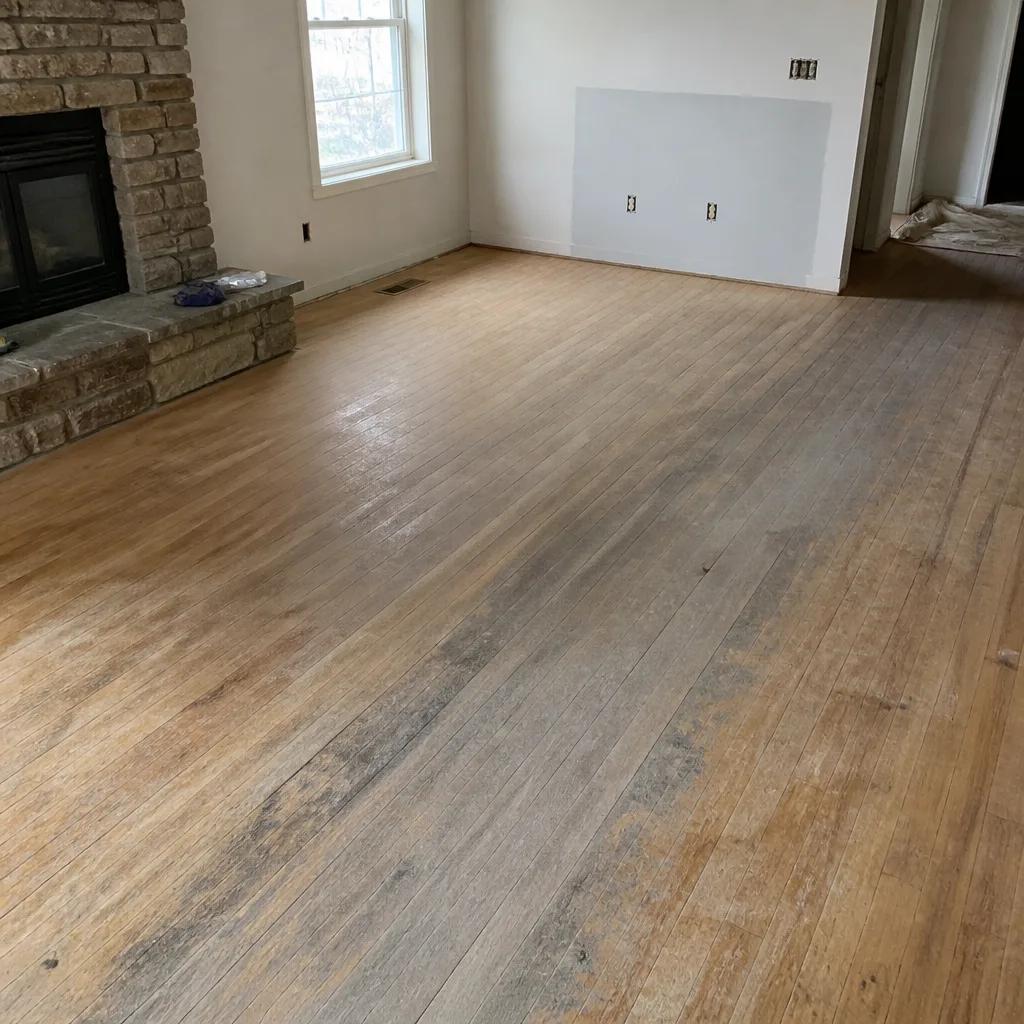 Before
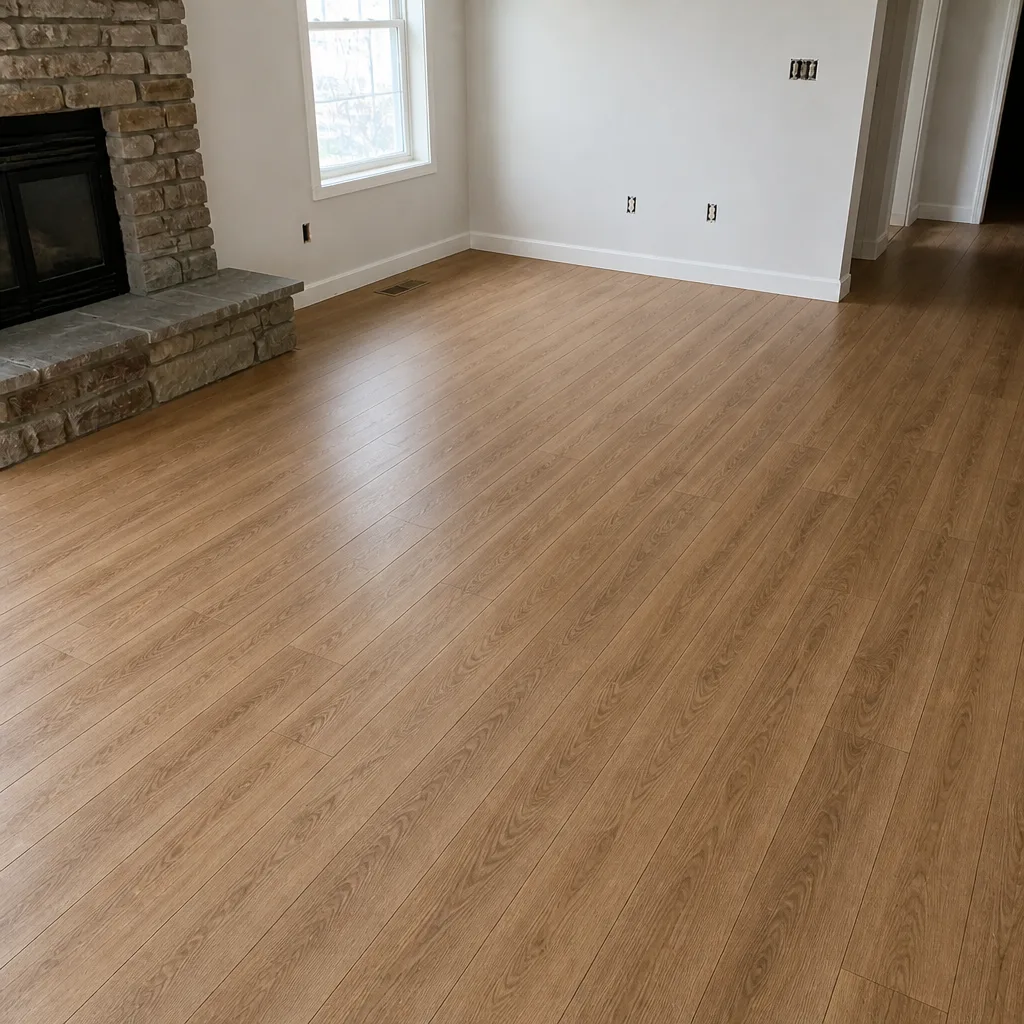 After
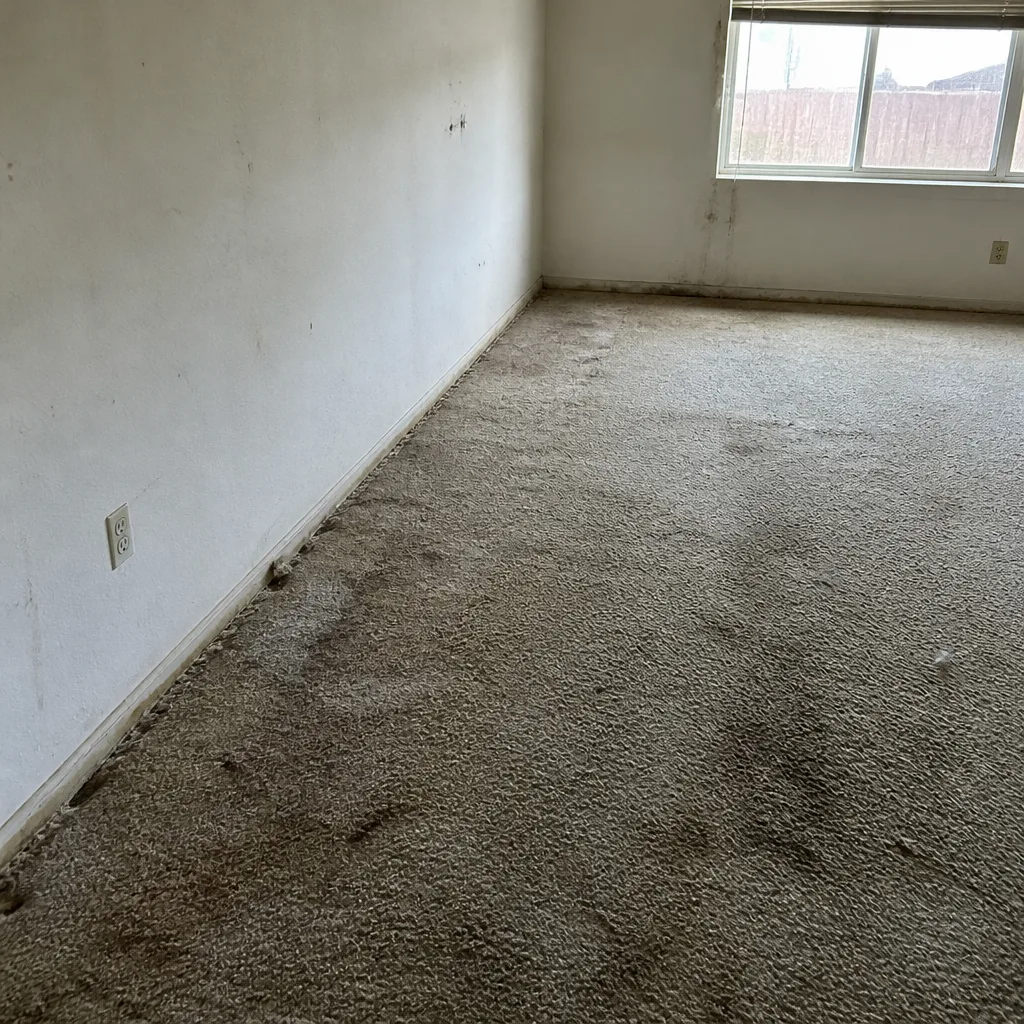 Before
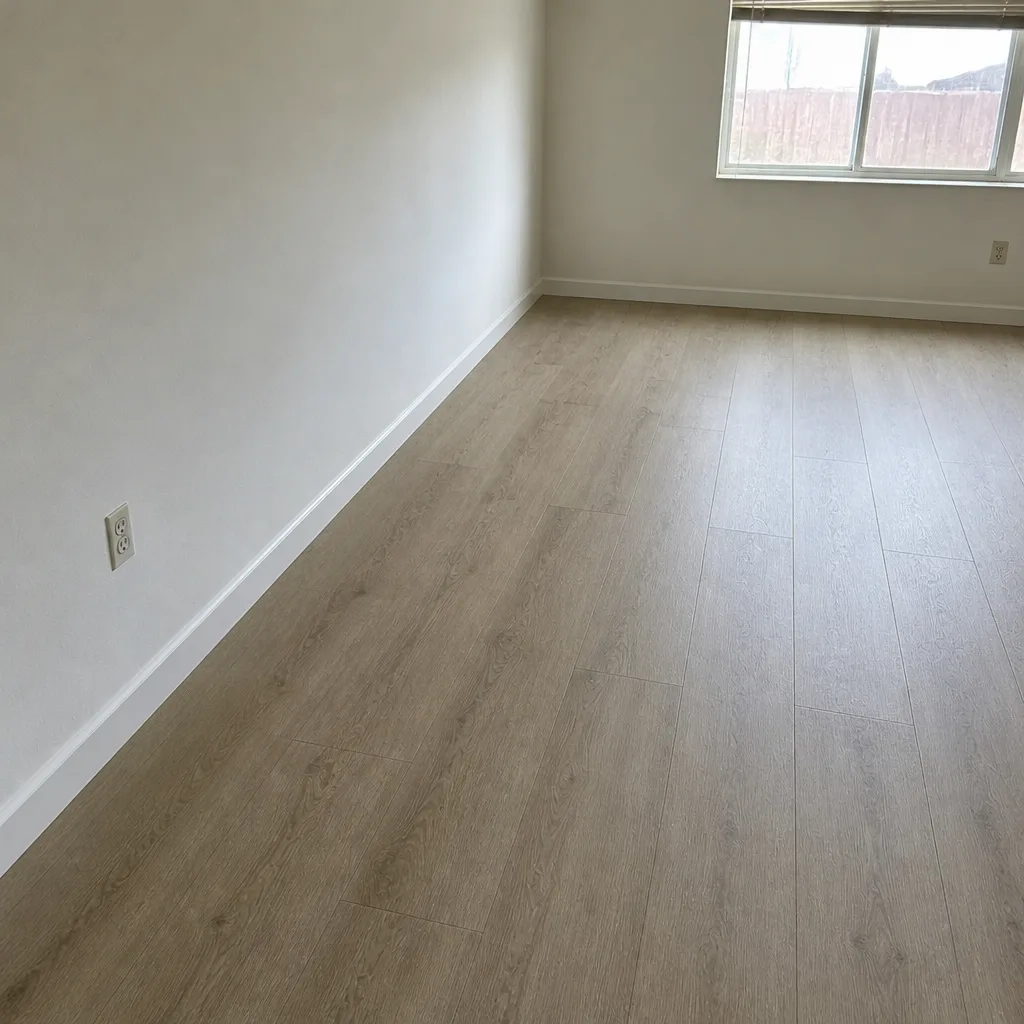 After
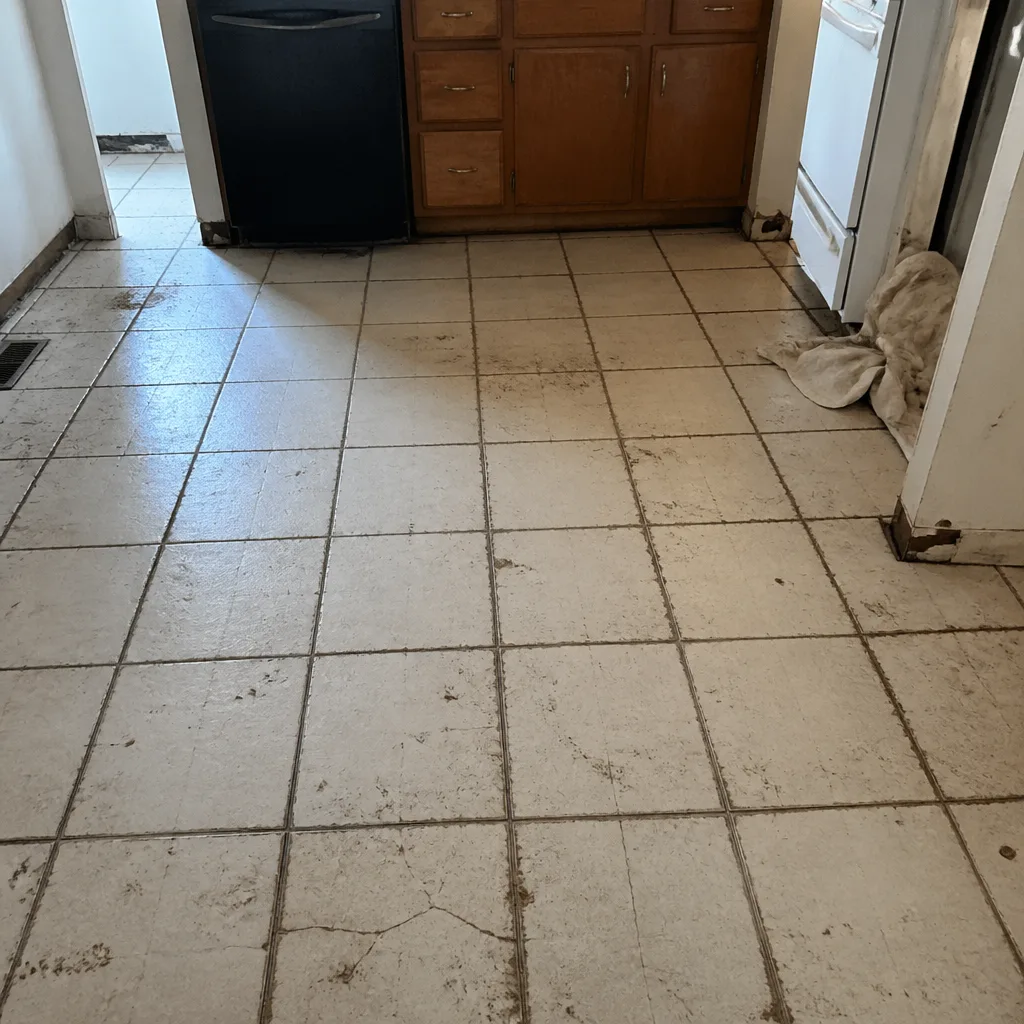 Before
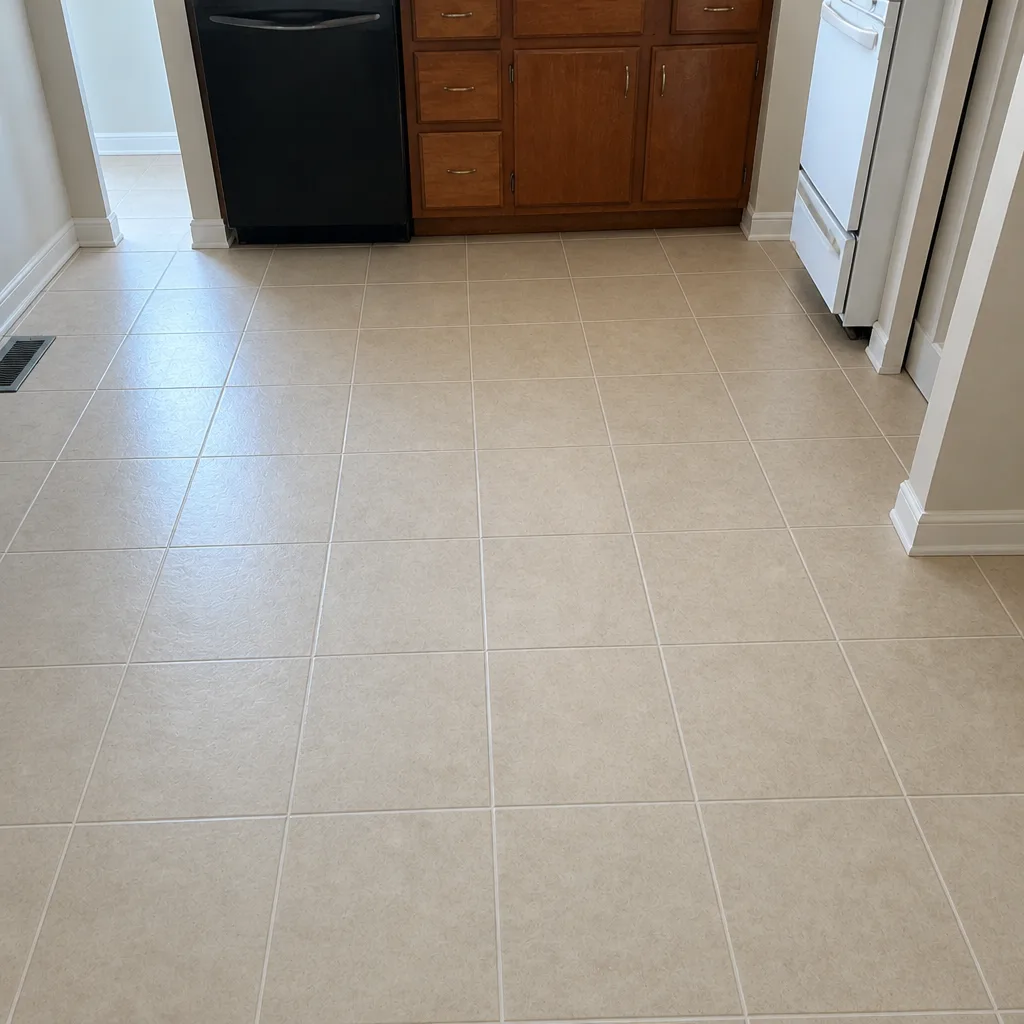 After
When to Call a Professional
Some flooring jobs are straightforward, and some are not. Call a professional before you buy material if any of these apply: the existing floor has visible cupping, soft spots, or bubbling; you’re considering a mixed-material project across several rooms; the slab foundation has visible cracks or a history of moisture; you want to refinish existing hardwood rather than replace it; or you’re within a few months of installing over a subfloor you haven’t had inspected. The stakes get higher when you’re choosing between carpet, tile, and hardwood in the same home, because that’s where single-trade installers run into trouble. Enterprise Flooring Installation offers free estimates in Enterprise. Call (833) 620-6314 to schedule your free estimate. Estimates are free, and there’s no charge to ask questions.
Frequently Asked Questions
A thorough estimate in Enterprise generally takes 45 to 90 minutes, depending on how many rooms you’re covering and what the subfloor looks like. An estimate that’s done in 15 minutes isn’t thorough enough to be trusted. Call (833) 620-6314 for a free estimate.
Yes. The in-home estimate costs nothing, and there’s no obligation to book the installation after you receive the quote. You’re welcome to take the written estimate and compare it against others before deciding. Call (833) 620-6314 to schedule your free estimate.
The written estimate should include material specs by SKU or product line, labor broken down by room or task, the prep work scope, any exclusions, warranty terms, and payment terms. If any of those are missing, ask for them in writing before signing. Call (833) 620-6314 for a complete written quote.
Yes. We install carpet, tile, and hardwood, and we refinish existing hardwood, so a mixed-material project can go through one installation crew instead of several. That’s one of the reasons we carry brands across all three surfaces, including Shaw, Daltile, and Karndean. Call (833) 620-6314 to talk through your project.
Yes, refinishing existing hardwood is part of our service. Whether a specific floor can be refinished depends on the thickness of the wood and its condition, which the estimator checks at the free visit. If refinishing works for your floor, it’s an option that doesn’t force a full replacement. Call (833) 620-6314 to find out what your floor needs.
The install schedule is set at the estimate, based on the size of the job and the material you choose. We don’t promise same-day installation; the install day is booked after the quote is signed. Call (833) 620-6314 to schedule your estimate.
The Bottom Line
A free in-home flooring estimate is a diagnostic visit, not a sales call. The estimator should inspect the subfloor, check door clearances and transitions, measure with proper waste factors for the material, and hand you a written quote with SKUs, labor breakdown, prep scope, and warranty terms. Same-day pressure to sign is a red flag. Comparing quotes line by line is your best defense against a final invoice that looks nothing like the estimate. In Enterprise, the dry desert climate and slab foundations make that thorough walkthrough especially important. Call (833) 620-6314 to schedule your free estimate. We answer 24/7. Fast dispatch from 7am to 7pm, Sunday through Friday.
Written by the team at Enterprise Flooring Installation.