
Last updated November 17, 2026
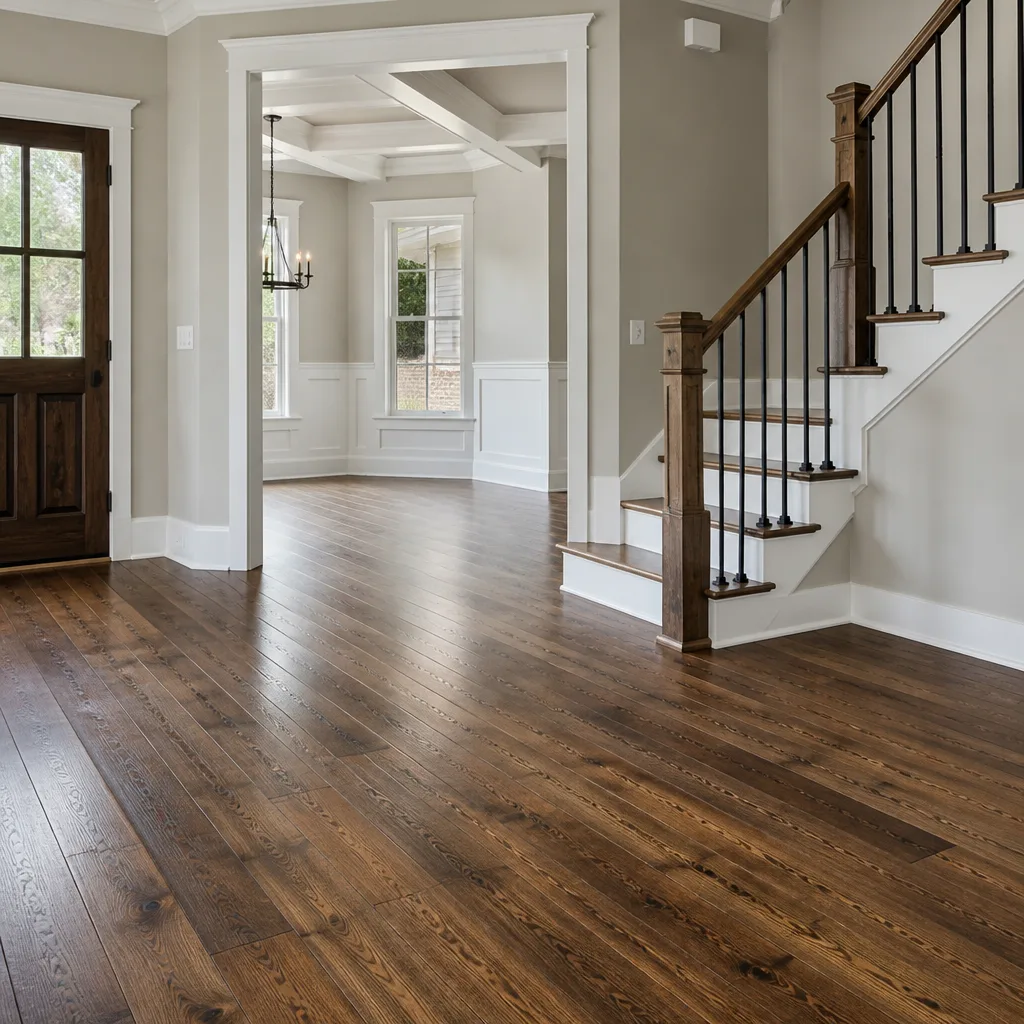 Hardwood
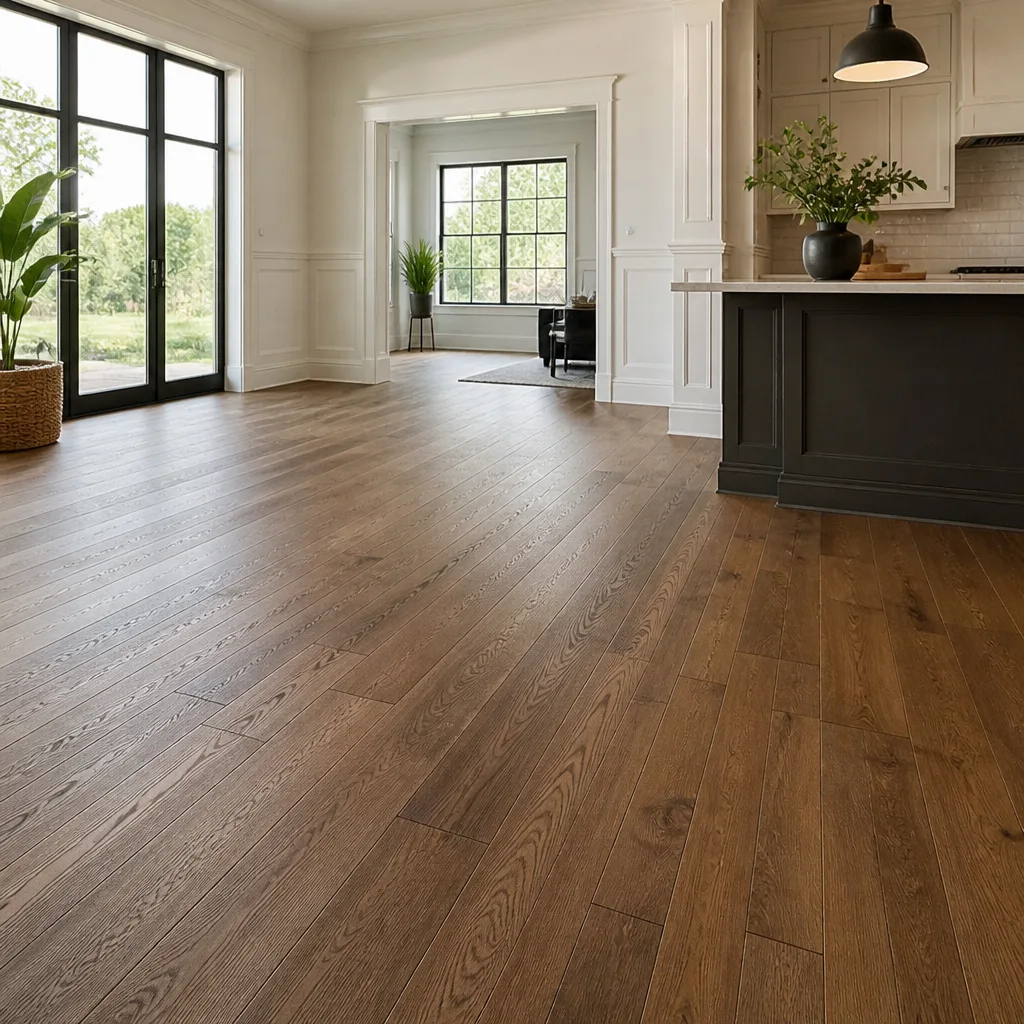 Engineered hardwood
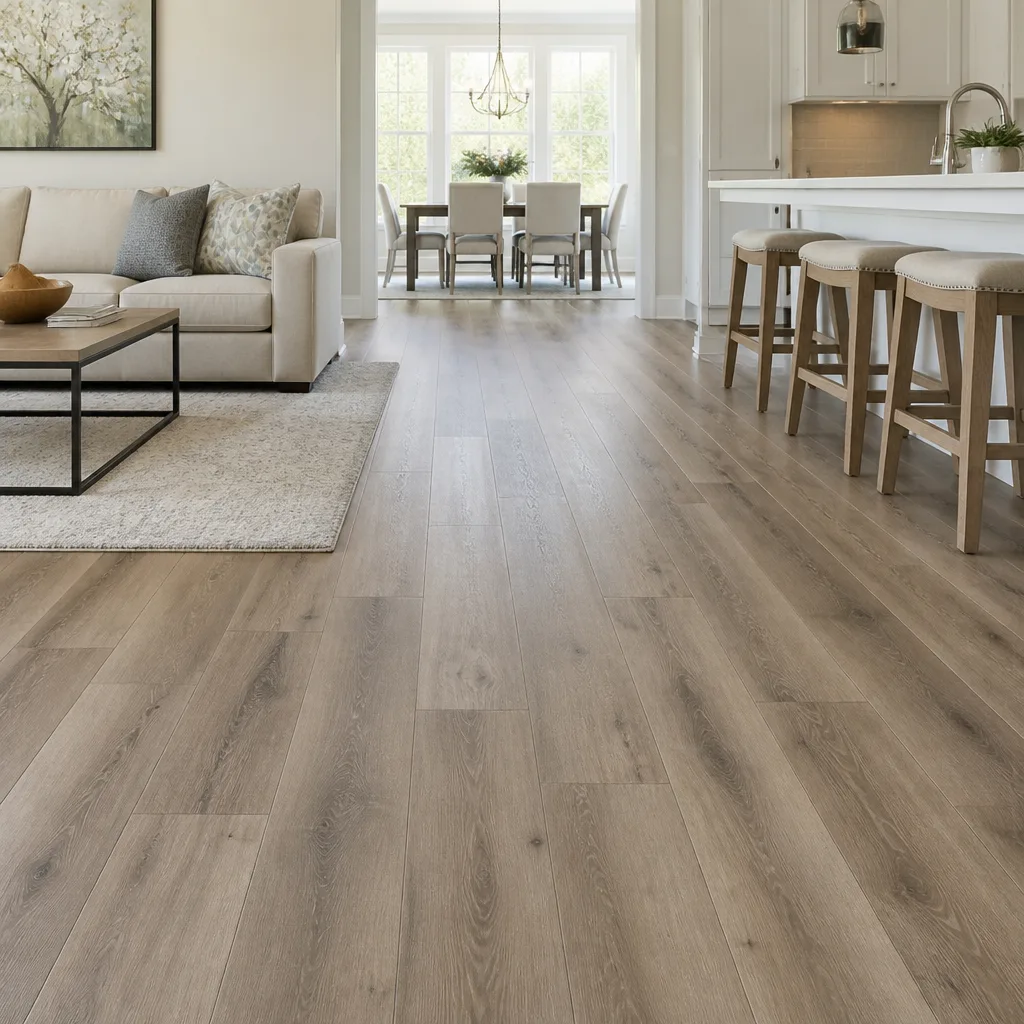 Luxury vinyl plank
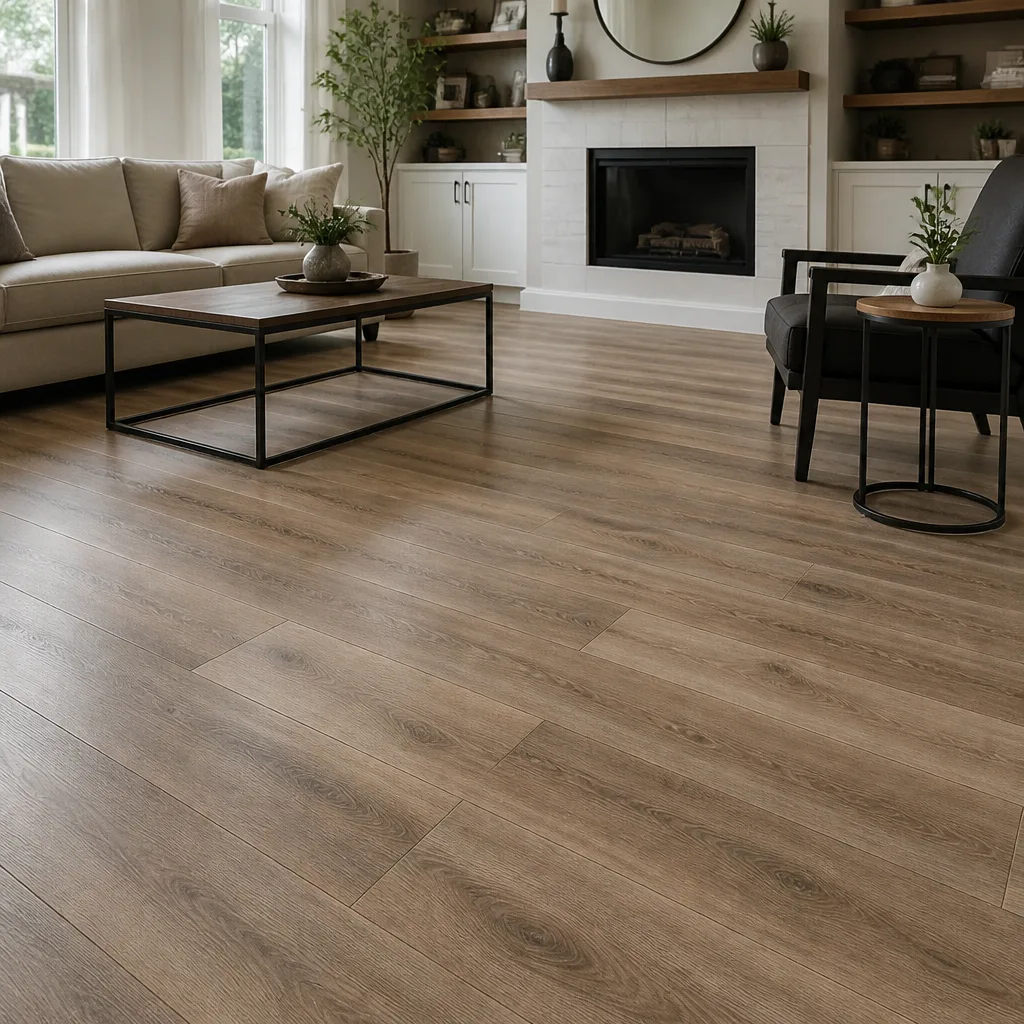 Laminate
 Porcelain tile
 Carpet
 Shaw
 Mohawk
 COREtec
 Pergo
Free in-home measure and written estimate: Shaw, Mohawk, COREtec and Pergo lines compared on your own rooms, with carpet, tile, vinyl plank, laminate and hardwood laid out side by side
Get your free estimateFlooring Cost Breakdown: The Enterprise Homeowner’s Reference for 2026
Two Enterprise homeowners each got a $4,200 carpet quote for the same square footage. One was getting 40 oz. Shaw Anso nylon with an 8 lb. pad; the other was getting 28 oz. polyester over the cheapest foam on the shelf. On paper, the two estimates looked identical. That gap between what a quote says and what a quote delivers is the single biggest reason flooring bids in Enterprise are so hard to compare, and the reason this guide exists. We’re going to pull every line item apart – material, labor, prep, extras – so you can read a quote the way an installer does. Enterprise homeowners deserve to price a floor on equal terms.
Quick Answer
Flooring installation in Enterprise, Nevada, typically runs roughly $3 to $12 per square foot installed in 2026, depending on material: carpet and laminate sit at the low end, LVP and ceramic tile in the middle, and solid or engineered hardwood at the top. Labor alone usually accounts for $2 to $5 per square foot, and the biggest wildcard on any bid is subfloor prep, which can add real money to a job that looked cheap on the first page. The written estimate is always the final word on price.
Styles & brands we work with
- Hardwood
- Engineered hardwood
- Luxury vinyl plank
- Laminate
- Porcelain tile
- Carpet
- Shaw
- Mohawk
- COREtec
- Pergo
Table of Contents
- What does flooring cost per square foot in Enterprise in 2026?
- Material-by-material cost ranges
- The hidden costs that spike final invoices
- How carpet fiber affects both price and long-term value
- “Installed price” vs. “material only” – and why the cheapest bid can cost more
- A sample cost worksheet for an 1,800 sq. ft. Enterprise home
- Subfloor prep and the desert climate factor
- How to compare two flooring bids line by line
What does flooring cost per square foot in Enterprise in 2026?
In Enterprise, most residential flooring jobs land between $3 and $12 per square foot installed in 2026, and where you fall in that range is driven by three things: the material you choose, the condition of the subfloor underneath, and how many transitions, stairs, and odd corners the installer has to work around. Material is the part everyone focuses on. The other two are where budgets quietly move.
Here’s the rough per-square-foot picture we work from when pricing jobs in Enterprise, broken out by material:
- Carpet – roughly $3 to $6 per sq. ft. installed, depending on fiber and pad.
- Laminate – roughly $4 to $7 per sq. ft. installed.
- Luxury vinyl plank (LVP) – roughly $4 to $8 per sq. ft. installed.
- Ceramic tile – roughly $6 to $11 per sq. ft. installed.
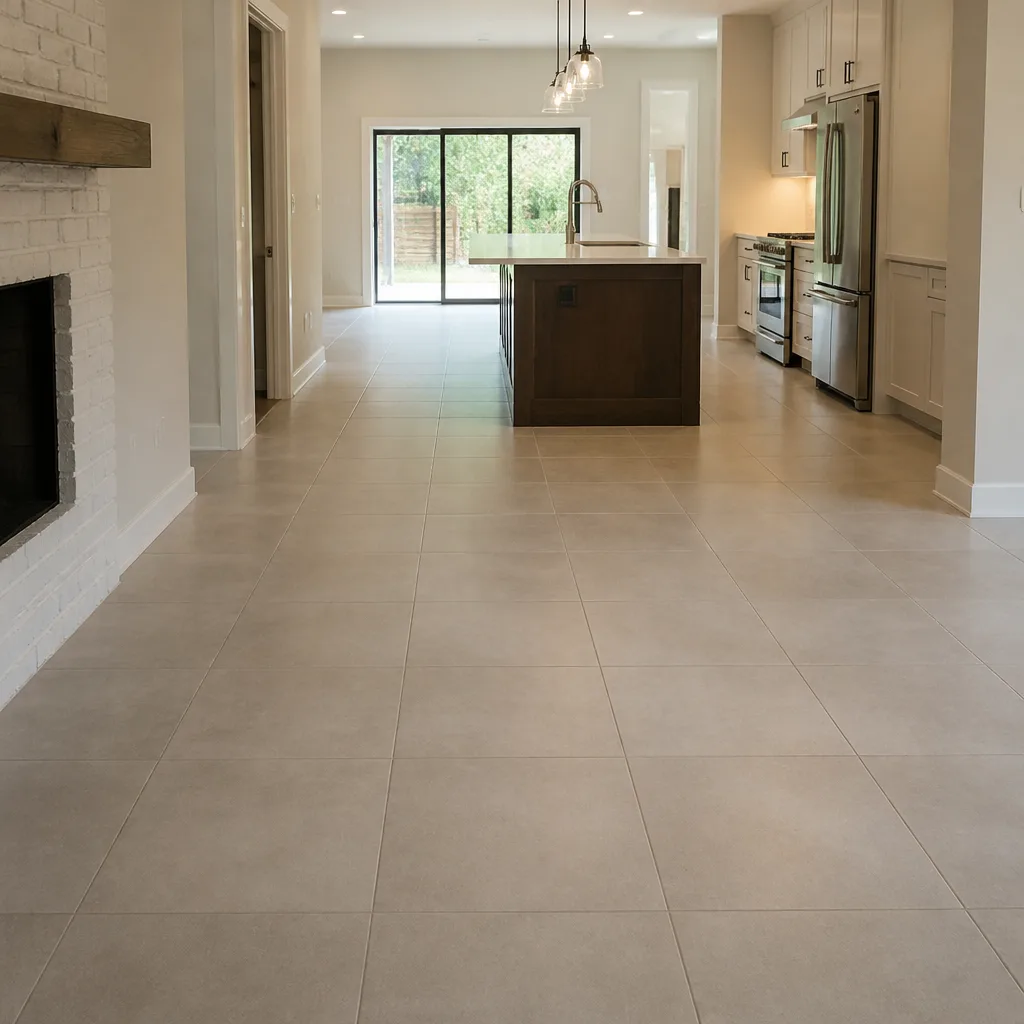
- Porcelain tile – roughly $7 to $12 per sq. ft. installed.
- Engineered hardwood – roughly $7 to $12 per sq. ft. installed.
- Solid hardwood – roughly $8 to $12 per sq. ft. installed.
Those ranges cover materials and labor for a typical room with a reasonable subfloor. They do not cover tear-out of existing flooring, furniture moving, stair work, or subfloor repairs, and each of those is priced separately. If you want to see how those ranges translate into a real room-by-room number, our Enterprise Flooring Installation team writes every estimate line by line, so nothing lands in a vague “miscellaneous” column.
One thing worth knowing about Enterprise specifically: a lot of the housing stock here was built during the fast-growth years of the 2000s, and builders used slab-on-grade construction with a fairly thin concrete slab. That’s fine, but it means any moisture in the slab has nowhere to go, and it means a floor that feels flat to your foot may not be flat under a straightedge. The estimate visit is where a good installer catches that. If it’s caught after installation, the cost of correction lands on you.
Material-by-material cost ranges
Every material carries a different installed price because it demands different labor. Carpet goes down fast. Tile is slow, because it involves layout, adhesive, grout, and cure time. Hardwood is slow and fussy, because it has to be handled and it has to be acclimated to the room it’s going into. Here’s how each category actually breaks down in an Enterprise home.
Carpet – roughly $3 to $6 per sq. ft. installed
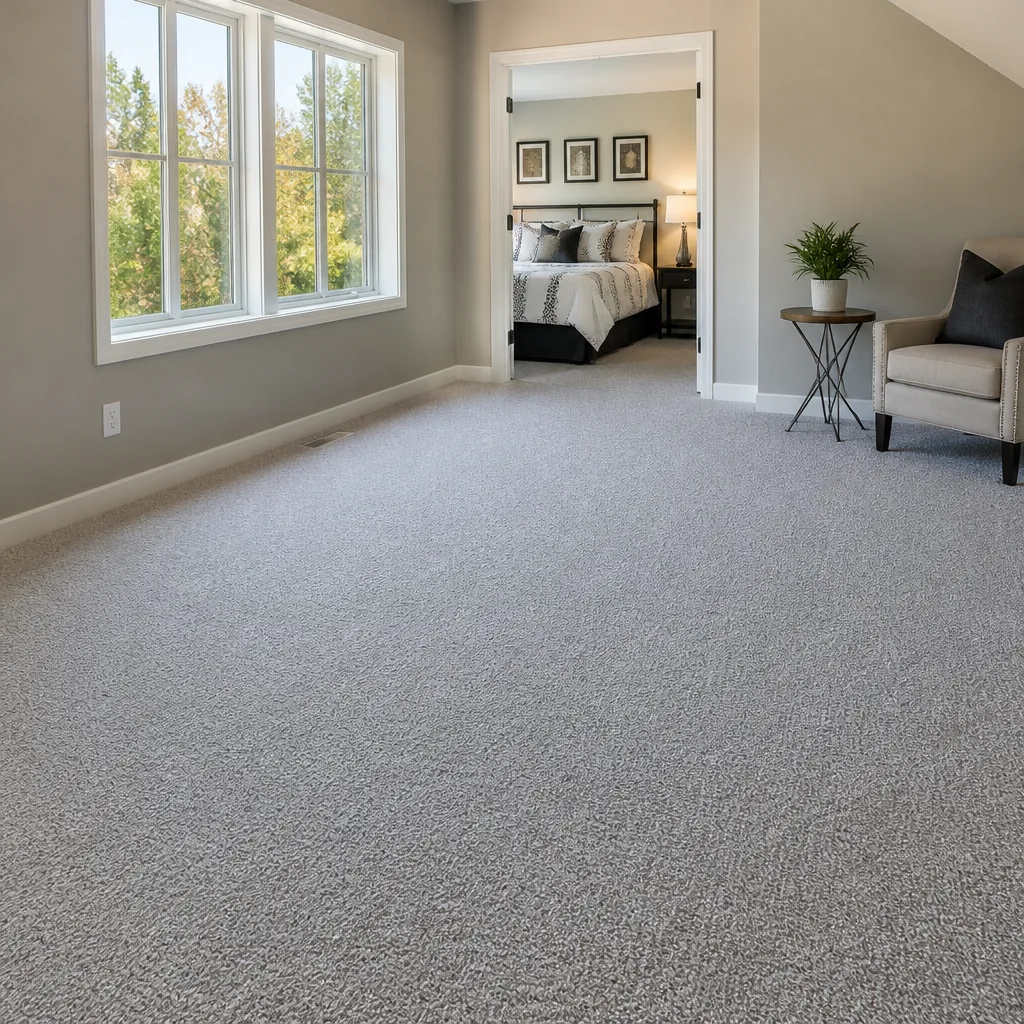
Carpet pricing is the widest band because it depends almost entirely on three things: fiber, face weight, and pad. A 26 oz. polyester carpet over a basic rebond pad sits at the bottom of the range. A 40 oz. nylon carpet over an 8 lb. pad sits at the top. Both are “carpet,” and both can carry the same per-square-foot number on a competitor’s sheet.
Laminate – roughly $4 to $7 per sq. ft. installed
Laminate floats over an underlayment, so installation labor is comparatively quick. Pergo and Mannington both make laminate lines that hold up well in a bedroom or home office, and the price band reflects that spread from entry-level to higher-end looks. Underlayment, trim, and any subfloor leveling are separate.
Luxury vinyl plank (LVP) – roughly $4 to $8 per sq. ft. installed
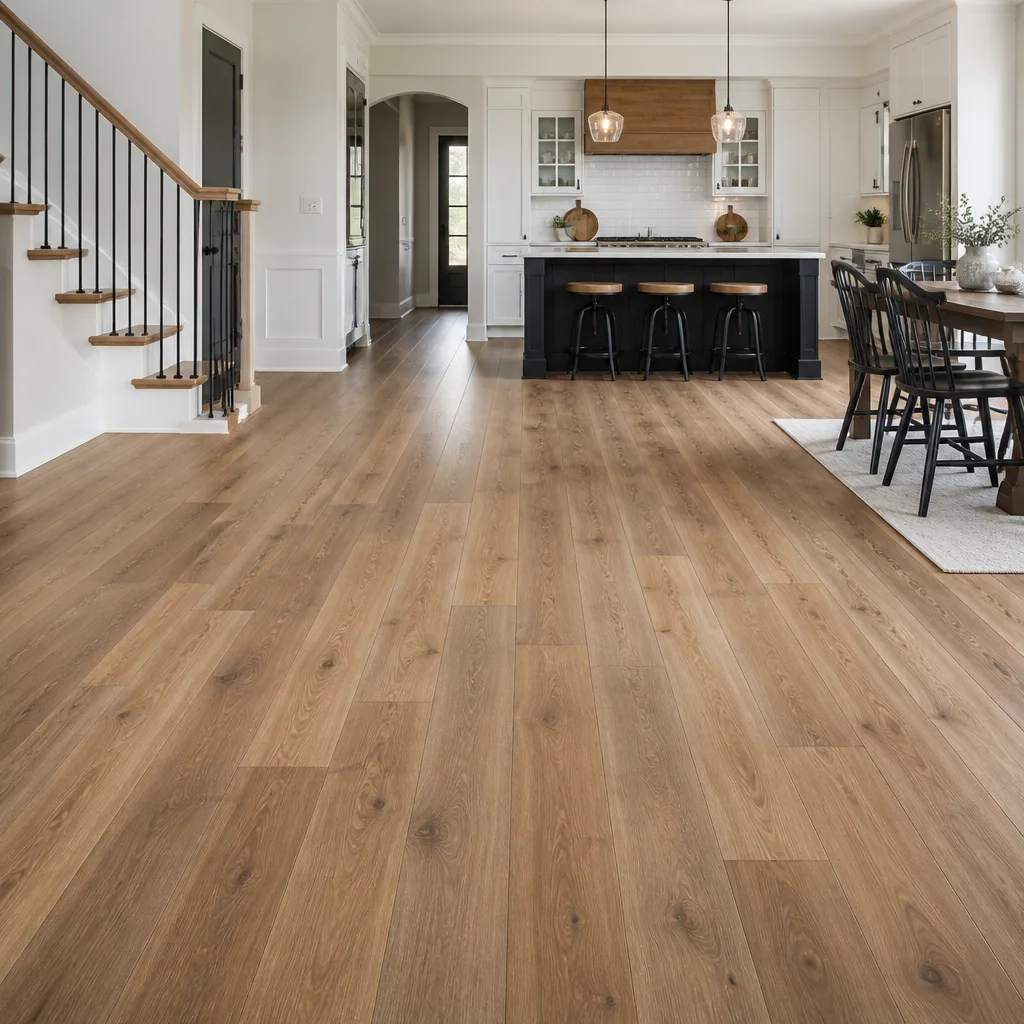
LVP is the material we get the most questions about, and for good reason: rigid-core products like COREtec and LifeProof handle the moisture swings of a kitchen, bathroom, or finished basement far better than traditional hardwood or laminate. Installation cost varies with whether it’s a floating click-lock plank or a glue-down product, and glue-down takes longer. LVP is water-resistant, not waterproof. Standing water or moisture wicking up through the slab still has to be dealt with. It’s also an excellent choice for the Enterprise climate, where low indoor humidity most of the year keeps the material stable.
Ceramic and porcelain tile – roughly $6 to $12 per sq. ft. installed
Tile is the most labor-dependent category on this list. Layout, cuts around fixtures, grout line width, and the type of substrate all affect the price. Porcelain runs higher than ceramic because it’s denser, harder to cut, and often requires a different thinset. Daltile is our go-to for the price and quality range most Enterprise homes need. If you’re tiling a bathroom or a kitchen, our tile flooring installation team handles the layout and prep together, because you can’t price one without the other.
Engineered hardwood – roughly $7 to $12 per sq. ft. installed
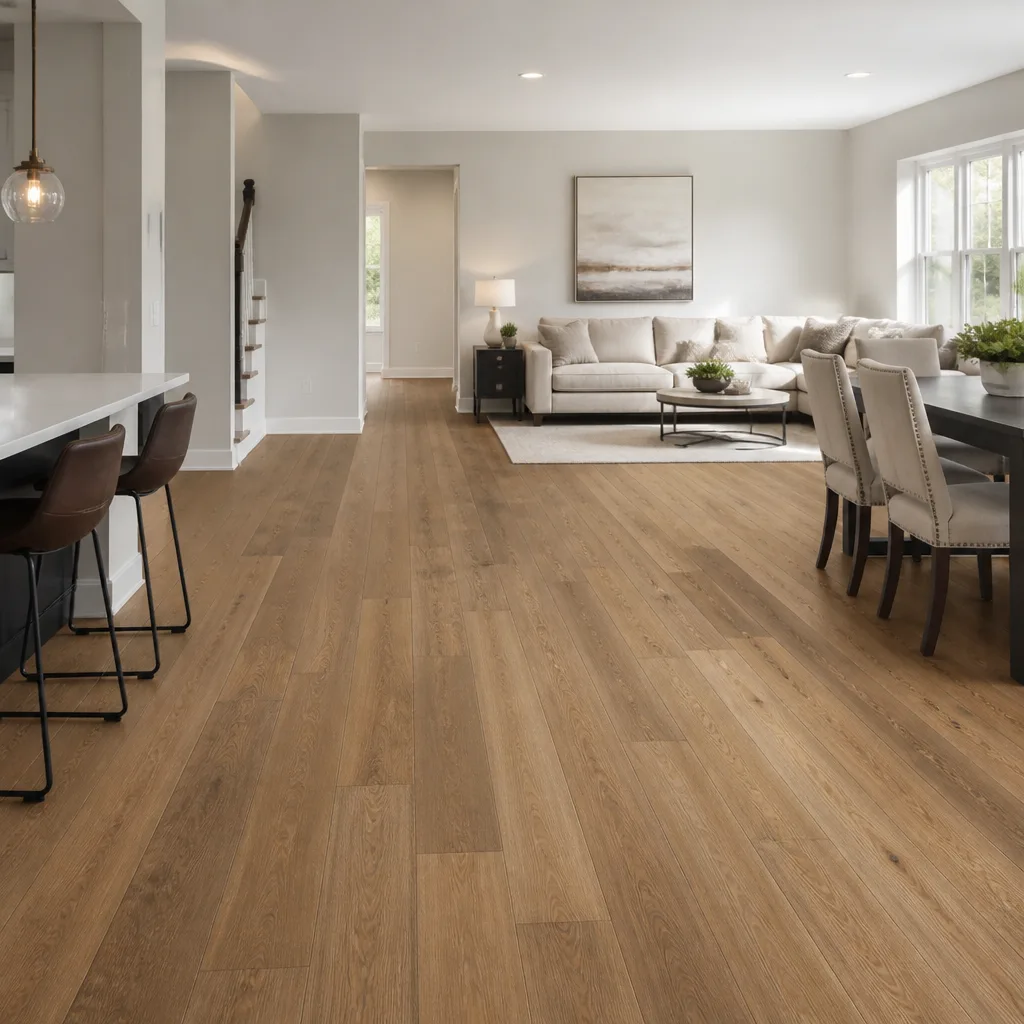
Engineered hardwood has a real wood wear layer over a plywood core, so it’s more stable than solid across the seasons. That stability is the reason we recommend it in rooms that see direct afternoon sun – a real concern in Enterprise, where the summer sun can bake through a west-facing window and drive surface temperature up quickly. Installation is glue-down or floating, both of which are slower than LVP.
Solid hardwood – roughly $8 to $12 per sq. ft. installed
Solid hardwood is the top of the range because it has to be nailed down, acclimated to the room, and cut carefully around the perimeter. It’s beautiful and long-lived, and it can be refinished down the road – a key point you’ll see again below. If you already have solid hardwood in your home, our hardwood floor refinishing service can often restore it instead of replacing it. Whether refinishing is possible depends on the thickness of the wood and its current condition, which we check at the estimate visit.
The hidden costs that spike final invoices
Here’s the thing about flooring bids in Enterprise: the “per square foot” number almost never includes everything. The bigger jobs balloon because of five extras the cheapest quote leaves off. If you want to compare two bids honestly, ask every contractor to break these five out separately.
- Subfloor leveling. Slab floors are rarely perfectly flat, and carpet can hide a dip that tile will crack over. Leveling compound, patching, or a plywood underlayment layer are separate labor and separate material.
- Transition strips. Any time the floor changes from carpet to tile, or tile to LVP, a transition strip covers the joint. It’s a small line item, but it appears in every doorway.
- Stair nosing. Stairs are priced by step, not by the square foot, and they’re labor-intensive. Stair work can easily add several hundred dollars to a job that looks straightforward on the floor plan.
- Furniture moving. Standard flooring installs don’t include moving furniture. If the room isn’t cleared before the crew arrives, either you move it or the estimate adds a line for it. Ask which.
- Haul-away and disposal. Tearing out old carpet, tile, or hardwood means a dumpster or a disposal fee. Some bids include it, some don’t, and the number can be several hundred dollars on a whole-home job.
Ask any contractor you’re considering to list these five line items by name on the estimate. If they won’t, you’re comparing a full-service quote to a partial one, and the partial quote always wins on paper.
How carpet fiber affects both price and long-term value
In a household with pets and high foot traffic, the fiber you choose matters more than the price per square foot. Here’s the breakdown we walk customers through in Enterprise.
- Polyester is the least expensive fiber. It has a soft hand and good color clarity, but it flattens faster in high-traffic paths. A 28 oz. polyester carpet in a pet home with active kids will show matting within a few years. The price per square foot is low; the replacement cycle is short.
- Nylon is the standard fiber for high-traffic homes. It holds its loft better than polyester under repeated footfall, and a 40 oz. nylon carpet often outlasts two cheaper polyester installs. Shaw’s Anso nylon is the fiber we specify most often in Enterprise bedrooms and family rooms for that reason. The upfront cost is higher; the per-year cost is usually lower.
- SmartStrand is a Mohawk fiber made from renewably sourced triexta. It’s stain-resistant by structure rather than by coating, which is a real advantage in a pet household because the stain resistance doesn’t wash away over time. It sits at the higher end of the carpet band and is worth the premium if your pet is a fixture of the household rather than a visitor.
Here’s the practical rule: if the room gets walked across more than a few times an hour, buy up on fiber before you buy up on style. The cheap fiber looks beautiful on install day and looks tired sooner than you expect. The good fiber looks the same in year five. If you want a side-by-side comparison of carpet options for your home, our carpet installation team can show you samples from Shaw, Mohawk, and more in your own light.
“Installed price” vs. “material only” – and why the cheapest bid can cost more
The biggest source of apples-to-oranges confusion in Enterprise flooring bids is that some contractors quote you “material only” and some quote you “installed.” Material only means exactly what it sounds like: the flooring material, delivered. It does not include labor, pad, adhesive, tack strip, transition strips, furniture moving, or haul-away. Installed means the full job, with the floor down and the old floor gone.
When you compare a material-only quote to an installed quote, the material-only number will always look lower. It isn’t lower. It’s incomplete.
Here’s why the cheapest installed bid can also cost more over five years. A bid that’s cheap because the installer skipped subfloor prep will produce a floor that fails early – cracked tile, lifting planks, or a pad that flattens under a cheap carpet. A bid that’s cheap because it specified a 26 oz. polyester in a room that needs 40 oz. nylon will need replacement several years sooner. The full-cost math over five years almost always favors the more complete bid. Ask each contractor to specify, in writing: fiber or material weight, pad type and density, subfloor prep included or not, and disposal included or not. A good estimate spells all four out.
A sample cost worksheet for an 1,800 sq. ft. Enterprise home
To make this concrete, let’s cost a typical Enterprise layout: 1,800 sq. ft. total, with about 1,100 sq. ft. of common area (living, kitchen, hallways, entry), about 600 sq. ft. of carpet in bedrooms, and about 100 sq. ft. of tile in bathrooms. That’s a mixed-material job, which is exactly the kind of project an installer who handles all three surfaces is built for.
Here’s how the ranges stack up:
- 1,100 sq. ft. LVP in common areas at $6 to $8 per sq. ft. installed – roughly $6,600 to $8,800. Rigid-core products like COREtec or LifeProof are the right call where the floor meets a kitchen or entryway.
- 600 sq. ft. carpet in bedrooms at $4 to $6 per sq. ft. installed – roughly $2,400 to $3,600. A 40 oz. nylon with an 8 lb. pad lands at the upper end.
- 100 sq. ft. tile in bathrooms at $7 to $9 per sq. ft. installed – roughly $700 to $900. Daltile porcelain at standard size keeps this reasonable.
That puts the installed material and labor in the range of roughly $9,700 to $13,300. Then add the extras: tear-out and haul-away (several hundred dollars to over a thousand on a home this size, depending on what’s coming up), transition strips at each doorway, stair nosing if there are stairs, and subfloor leveling if the slab needs it. A realistic all-in budget for a project like this in Enterprise typically lands in the $11,000 to $15,000 range before any specialty upgrades. Your written estimate is what sets your actual price.
The point of the worksheet isn’t to fix a number on your project – it’s to show you that a mixed-material Enterprise home has three different cost bands working at once. One contractor who can handle all three surfaces usually means fewer scheduling issues and lower overall cost than three separate trades.
Subfloor prep and the desert climate factor
Enterprise sits in the Mojave Desert, and the climate has a real effect on flooring work. Three things tend to come up here that don’t come up in wetter parts of the country.
- Slab moisture. Even in the desert, concrete slabs can wick moisture from below. Before any glue-down install – tile, hardwood, or vinyl – the slab needs to be checked. If moisture is present, an appropriate barrier goes down first. Skipping this step is the most common reason a floor fails early. Moisture limits depend on the product, so the product instructions and the estimate set what’s required for your material.
- Expansion gaps. The desert swing from cool winter nights to very hot summer days makes wood and laminate floors expand and contract more than in a mild climate. Every floating floor needs an expansion gap at the perimeter, hidden under the baseboard. A crew that skips the gap will produce buckled planks the first summer. The gap width depends on the product, so check the material instructions.
- Direct sun on hard surfaces. West-facing windows in Enterprise can drive surface temperature up dramatically in July and August. Solid hardwood and some laminates react to that heat with gapping or fading. Engineered hardwood, rigid-core LVP, and porcelain tile handle it better. If a room gets direct afternoon sun, mention it at the estimate so the right material lands in that room.
None of this is exotic. It’s just the local reality of installing floors in the desert, and it’s the reason subfloor prep is worth asking about directly rather than assuming it’s included. Prep is the cheapest insurance a flooring job can buy.
How to compare two flooring bids line by line
Once you have two or three quotes in hand, the goal is to normalize them so you can compare apples to apples. Here’s the process we recommend, whether you’re working with us or any other installer in Enterprise.
- Confirm material-only vs. installed. If one quote says “installed” and the other doesn’t, the second needs to be re-quoted before you compare.
- Match the specification. Check face weight, pad density, wear layer, tile size, and grout type. Two quotes only compare if they describe the same product. If a quote doesn’t specify, ask for a written spec sheet.
- Check subfloor prep line by line. Does the quote include leveling compound? Does it include an underlayment or moisture barrier where needed? If those are absent, ask what happens if the subfloor isn’t flat.
- Confirm disposal. Is tear-out and haul-away included? If not, price it separately.
- Add the extras. Transition strips, stair nosing, and furniture moving should each appear as a line item or be explicitly excluded. Add the excluded items to the total to get a comparable number.
- Ask about refinishing before replacing. If you already have solid hardwood, ask whether it can be refinished instead of torn out. Refinishing usually costs meaningfully less than a full replacement and keeps the original floor in place.
A written estimate that spells out all six of these items is the estimate you can trust. If a bid skips two or three of them, the number at the bottom is fiction.
Common Mistakes to Avoid
- Comparising quotes without matching the specification. Two “carpet” quotes can describe completely different fibers, weights, and pad densities. Always compare the spec sheet, not just the final number.
- Assuming subfloor prep is included. In Enterprise, slab floors are rarely perfectly flat, and prep is often a separate line item. Ask directly whether leveling, patching, or an underlayment layer is on the estimate.
- Choosing polyester carpet for a high-traffic, pet-heavy room. Polyester flattens fast in active households. In Enterprise homes with pets and kids, nylon or SmartStrand usually delivers more years per dollar.
- Calling LVP “waterproof” and skipping the moisture check. Rigid-core products like COREtec and LifeProof are water-resistant and handle moisture swings well, but standing water and slab moisture still need to be managed. Skip the check and the floor will fail early.
- Forgetting the desert expansion gap. Floating floors in the Mojave swing need a perimeter gap under the baseboard. A crew that skips it will produce buckling in the first hot season.
- Replacing hardwood that could have been refinished. Solid hardwood can often be sanded and refinished instead of torn out. Whether yours can depends on the wood thickness and condition, checked at the estimate.
- Skipping the disposal line. Tear-out and haul-away can add several hundred dollars to a job. Confirm it’s in the estimate before install day.
See the difference
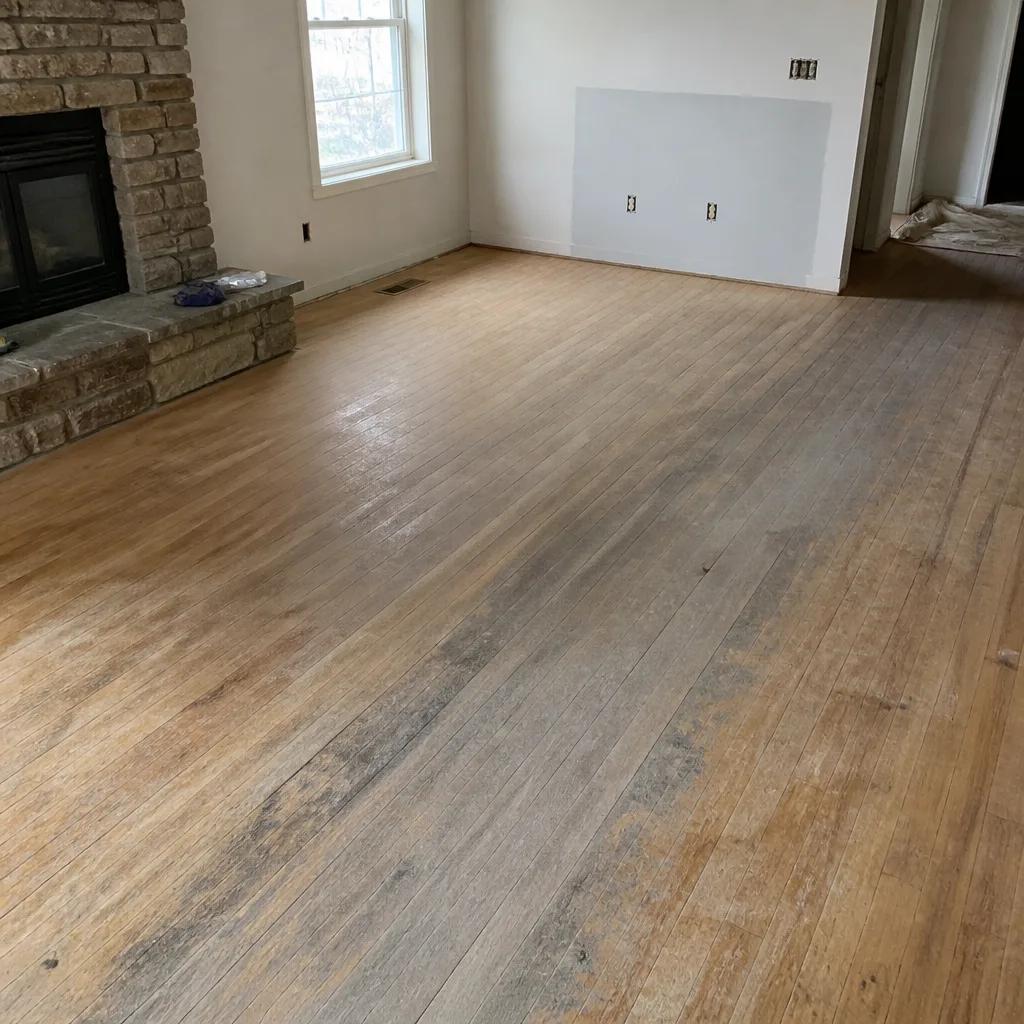 Before
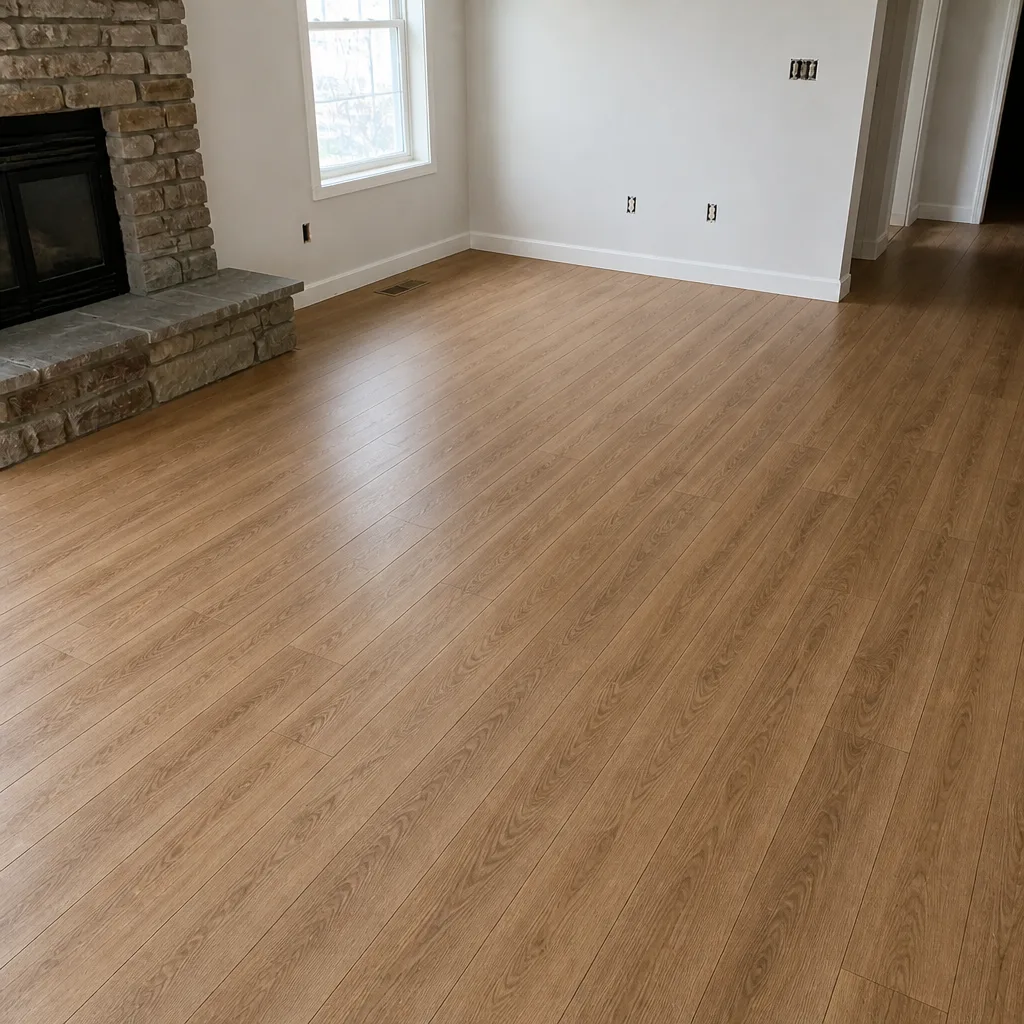 After
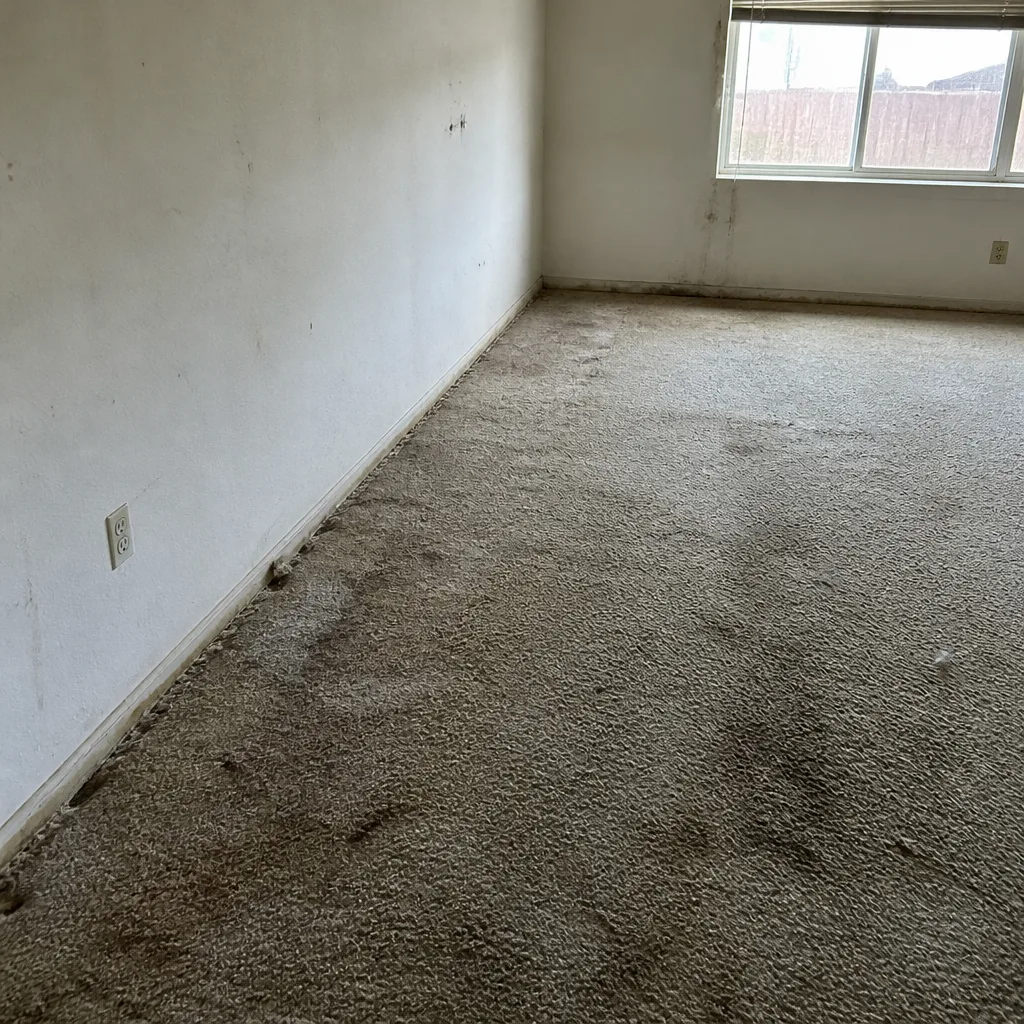 Before
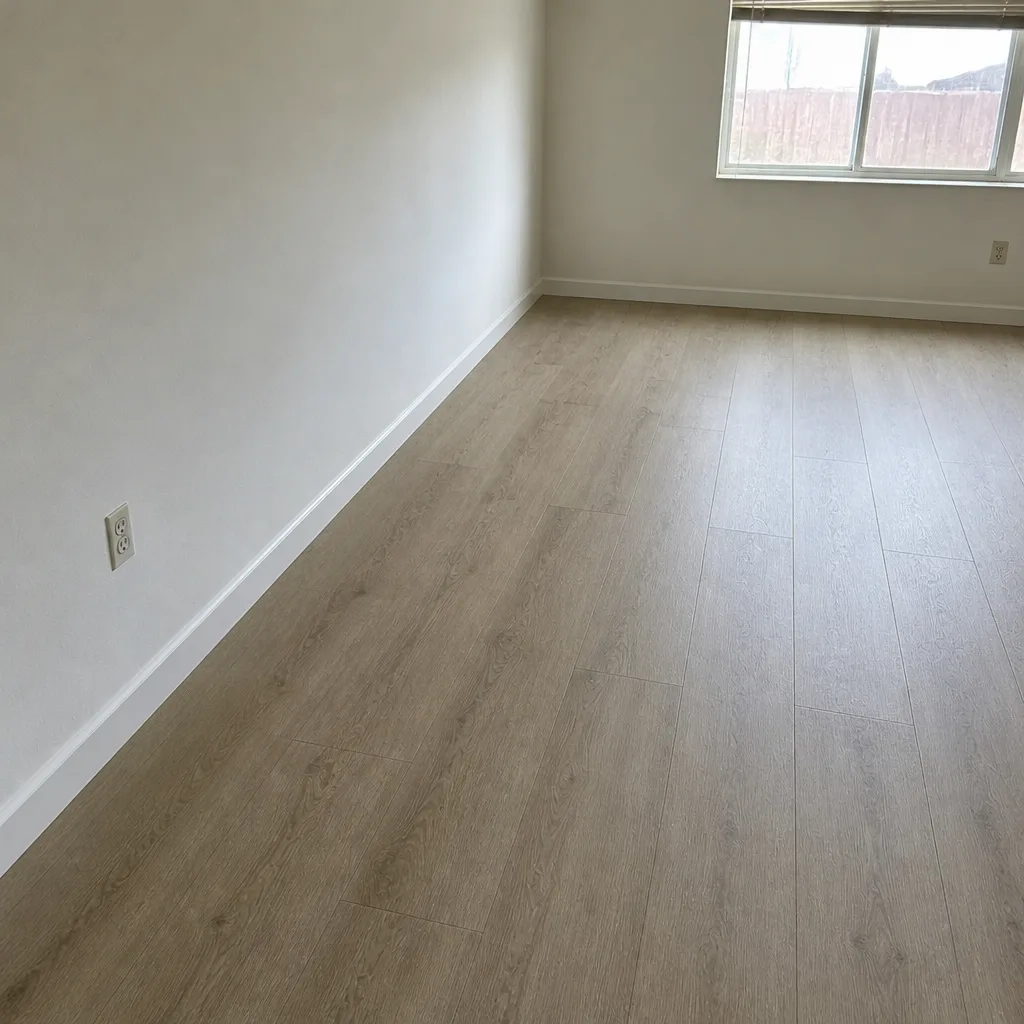 After
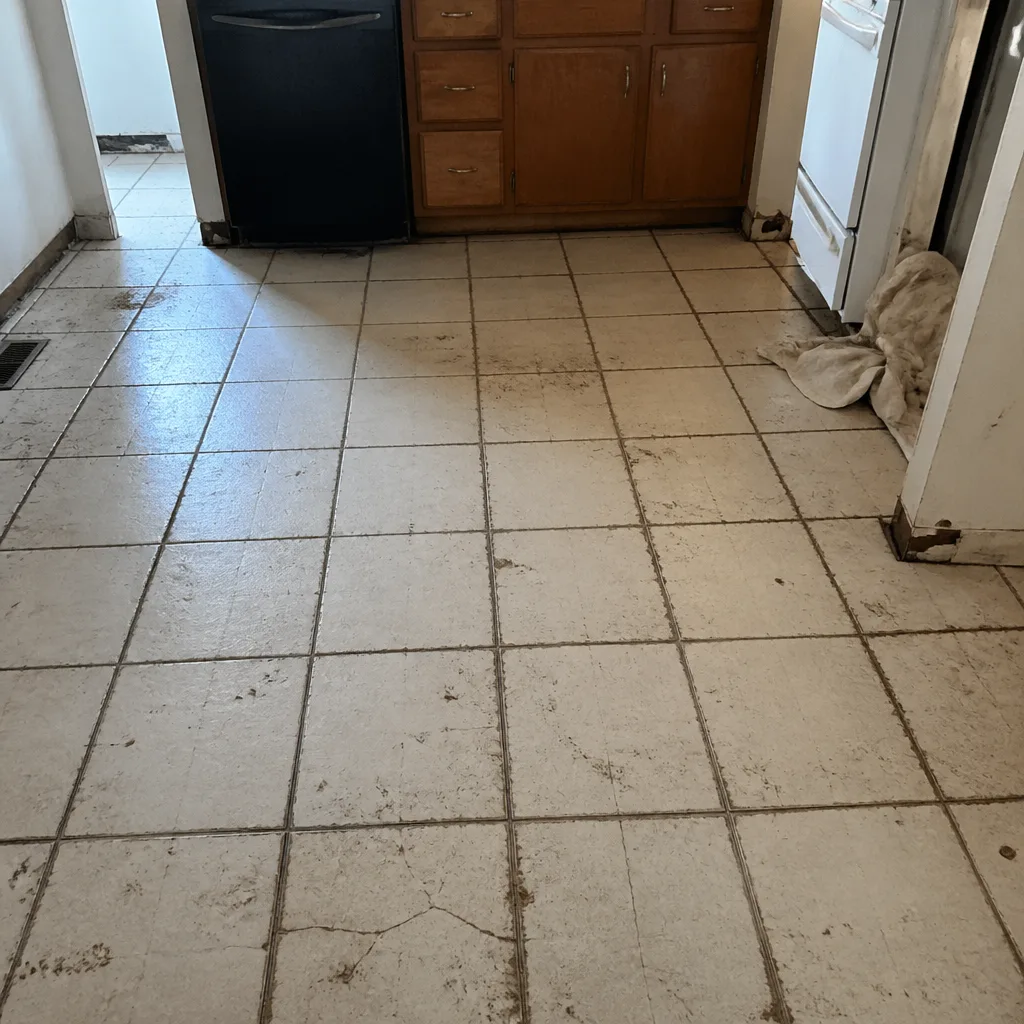 Before
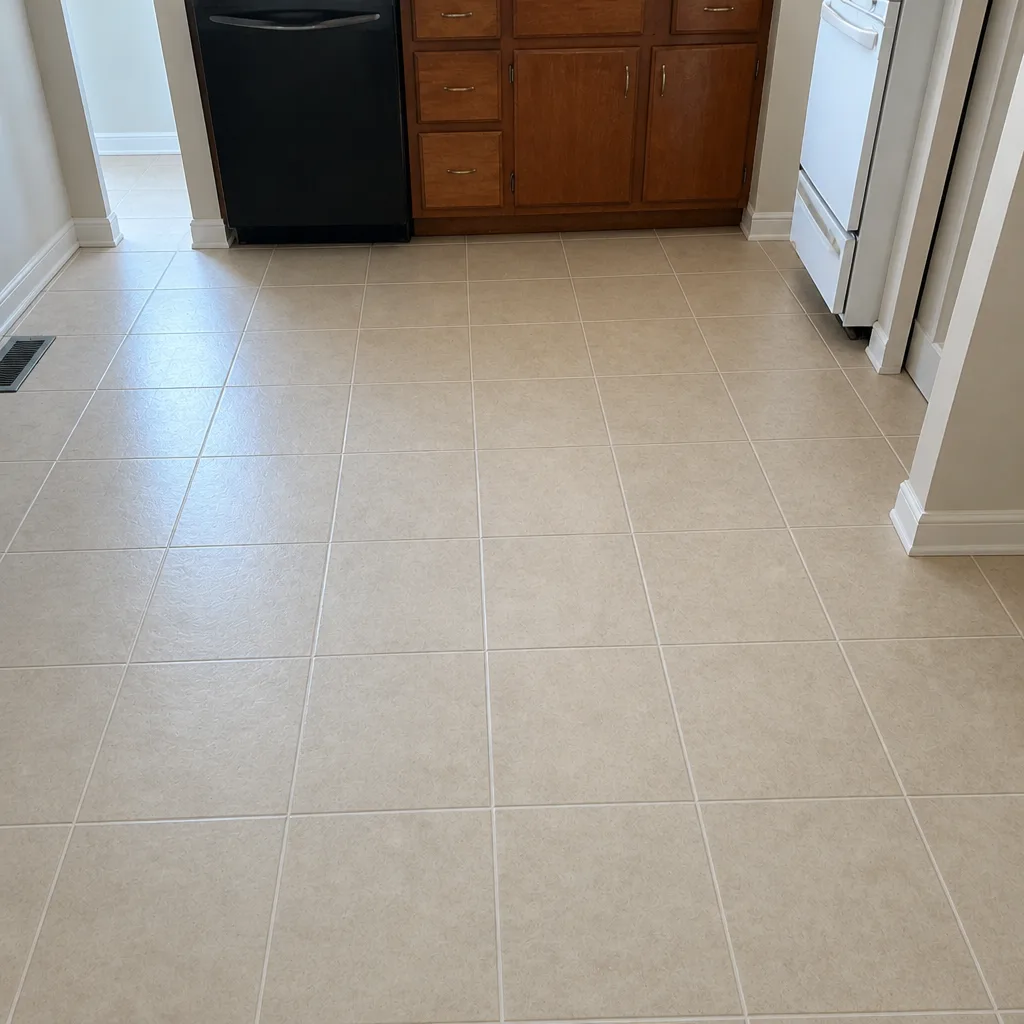 After
When to Call a Professional
Some flooring work is within reach of a careful homeowner – a single floating LVP plank replacement, a small carpet patch, a minor touchup. But most of what ends up on a bid in Enterprise is not: subfloor leveling, tile layout around fixtures, glue-down hardwood, stair work, and anything involving moisture in the slab. Those require the equipment, the experience, and the insurance to do right. Our technicians have up to 12 years of experience, and we’ve walked into plenty of jobs that started as a weekend project and needed professional correction. Enterprise Flooring Installation offers free estimates in Enterprise – call (833) 620-6314 to schedule yours. We answer 24/7. Fast dispatch from 7am to 7pm.
Frequently Asked Questions
Flooring installation in Enterprise typically runs roughly $3 to $12 per square foot installed in 2026, depending on the material. Carpet and laminate sit at the low end, LVP and ceramic tile in the middle, and solid or engineered hardwood at the top. The written estimate is always the final word. Call (833) 620-6314 for a free estimate – we’ll break it down line by line.
It depends on the contractor, and this is the single most important question to ask. Leveling, patching, and moisture barriers are often priced separately from the material and labor line. A complete estimate spells out exactly what prep is included and what happens if the subfloor turns out to be uneven. Call (833) 620-6314 to book a free estimate that answers this for your specific floor.
“Installed price” includes material, labor, pad or adhesive, trim, and typically disposal; “material only” is the flooring product by itself, delivered. A material-only bid always looks cheaper than an installed bid, but it isn’t a comparable number. Always convert both quotes to an installed total before you compare them. Call (833) 620-6314 if you want help reading a bid.
Often, yes. If the wood is thick enough and the condition allows it, refinishing restores the existing floor at a fraction of the cost of a full replacement. Whether yours is a candidate depends on the wood thickness and its current condition, which is checked at the estimate visit. Call (833) 620-6314 to schedule a refinishing evaluation.
LVP is water-resistant, not waterproof. Rigid-core products like COREtec and LifeProof handle moisture swings in kitchens, bathrooms, and basements far better than laminate or traditional hardwood, but standing water and moisture rising through the slab still need to be addressed before installation. Call (833) 620-6314 to talk through the right LVP choice for a moisture-prone room in your Enterprise home.
The schedule depends on the material, the square footage, and the subfloor condition, so it’s set at the estimate rather than promised over the phone. Tile and hardwood take longer than carpet or floating LVP because of layout, adhesive, and cure time. Call (833) 620-6314 to book a free measure and get a realistic timeline for your project.
The Bottom Line
Comparing flooring bids in Enterprise isn’t about finding the lowest per-square-foot number. It’s about normalizing the bids so the comparison is real. Match the specification. Confirm subfloor prep and disposal are included. Check the fiber, the pad, the wear layer, and the transition strips. Add the extras to the total. Then, and only then, compare. If you do this once for your project, you’ll see which bid actually costs less over its lifetime – not just on install day. Our technicians have up to 12 years of experience, and we’re glad to walk through any bid with you, whether it’s ours or not. Nine trusted brands. One installation crew. Hard surface, soft surface, or natural wood – we install all three.
Call (833) 620-6314 to schedule your free estimate. We answer 24/7. Fast dispatch from 7am to 7pm, Sunday through Friday, closed Saturday.
Written by the team at Enterprise Flooring Installation.