
Last updated November 17, 2026
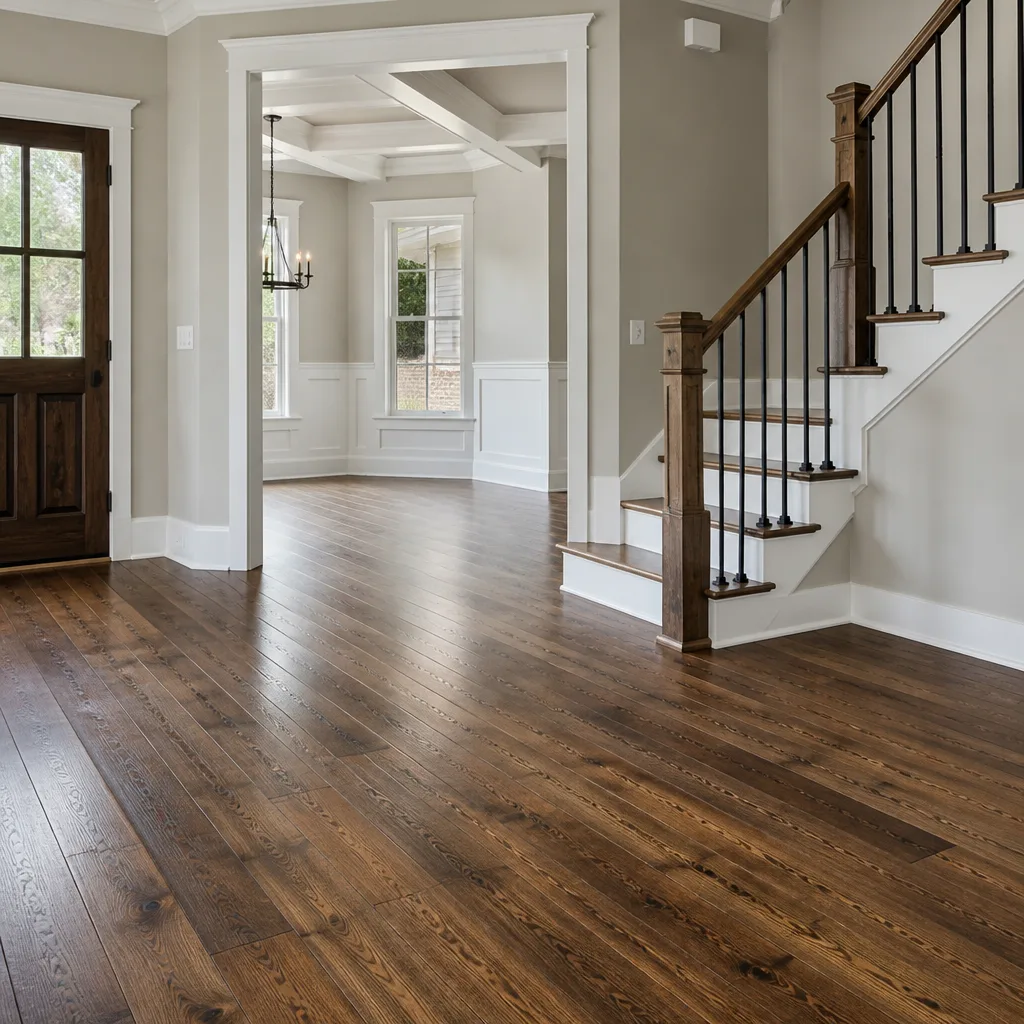 Hardwood
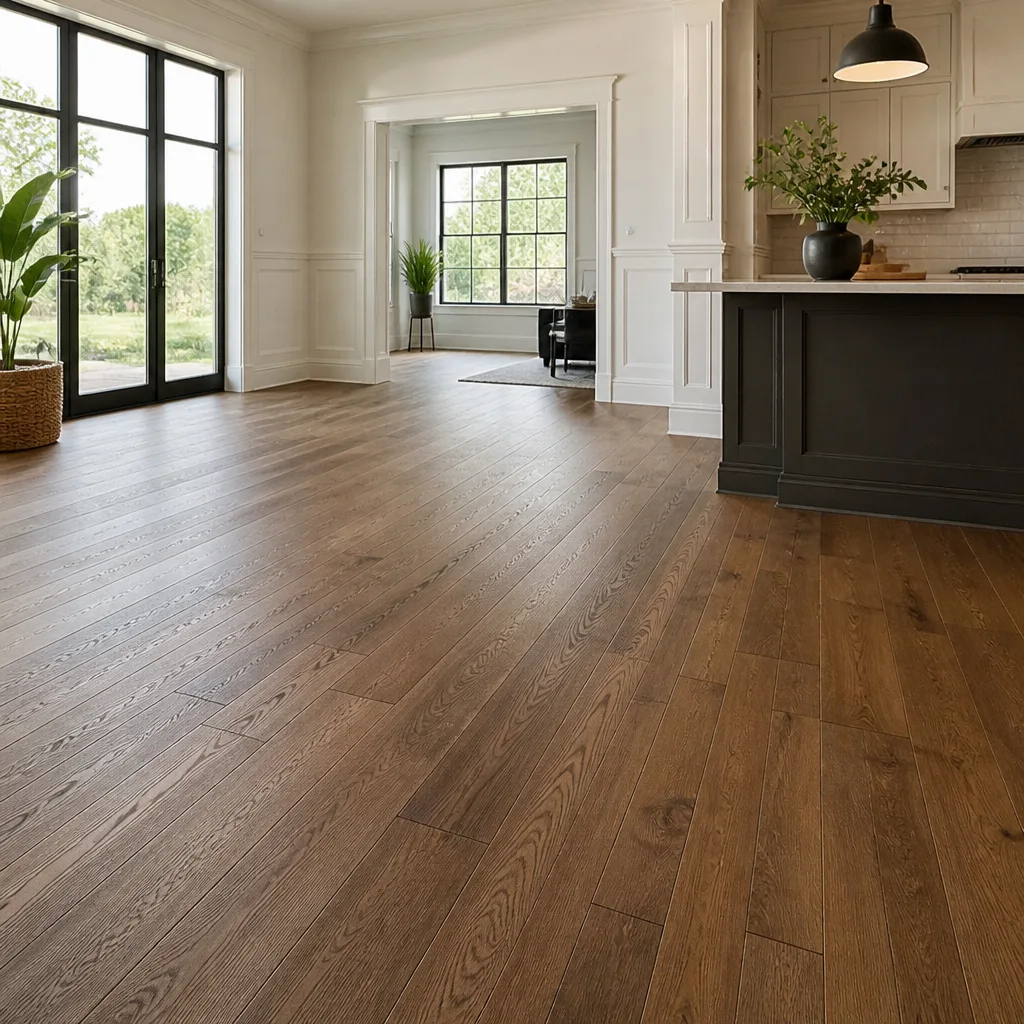 Engineered hardwood
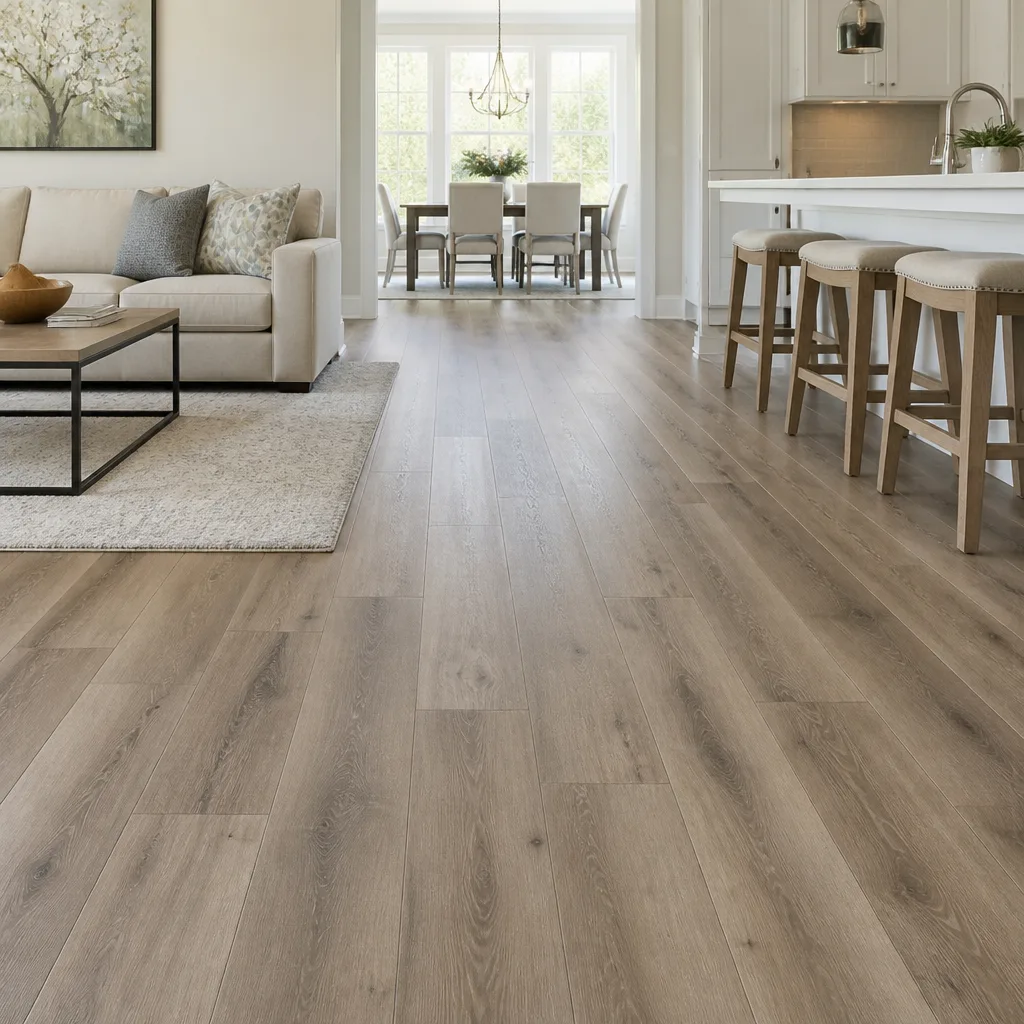 Luxury vinyl plank
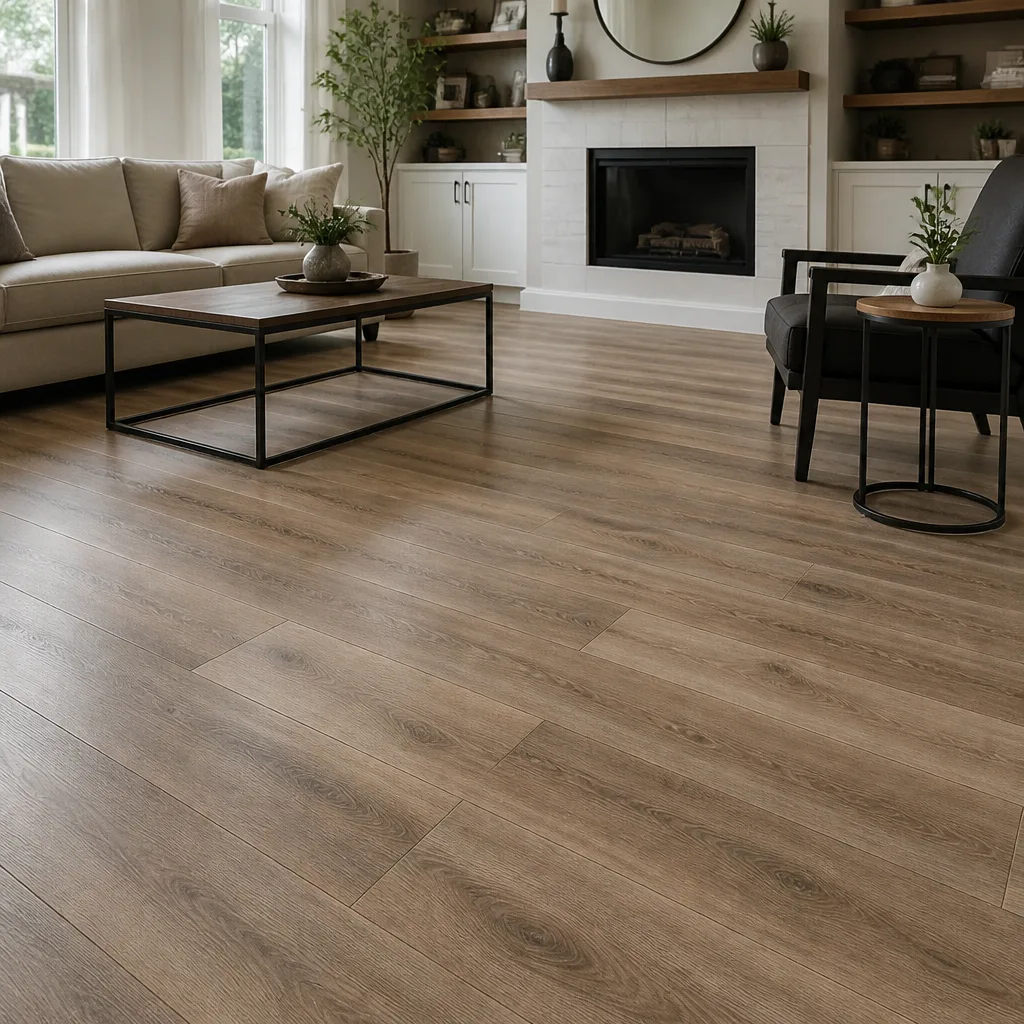 Laminate
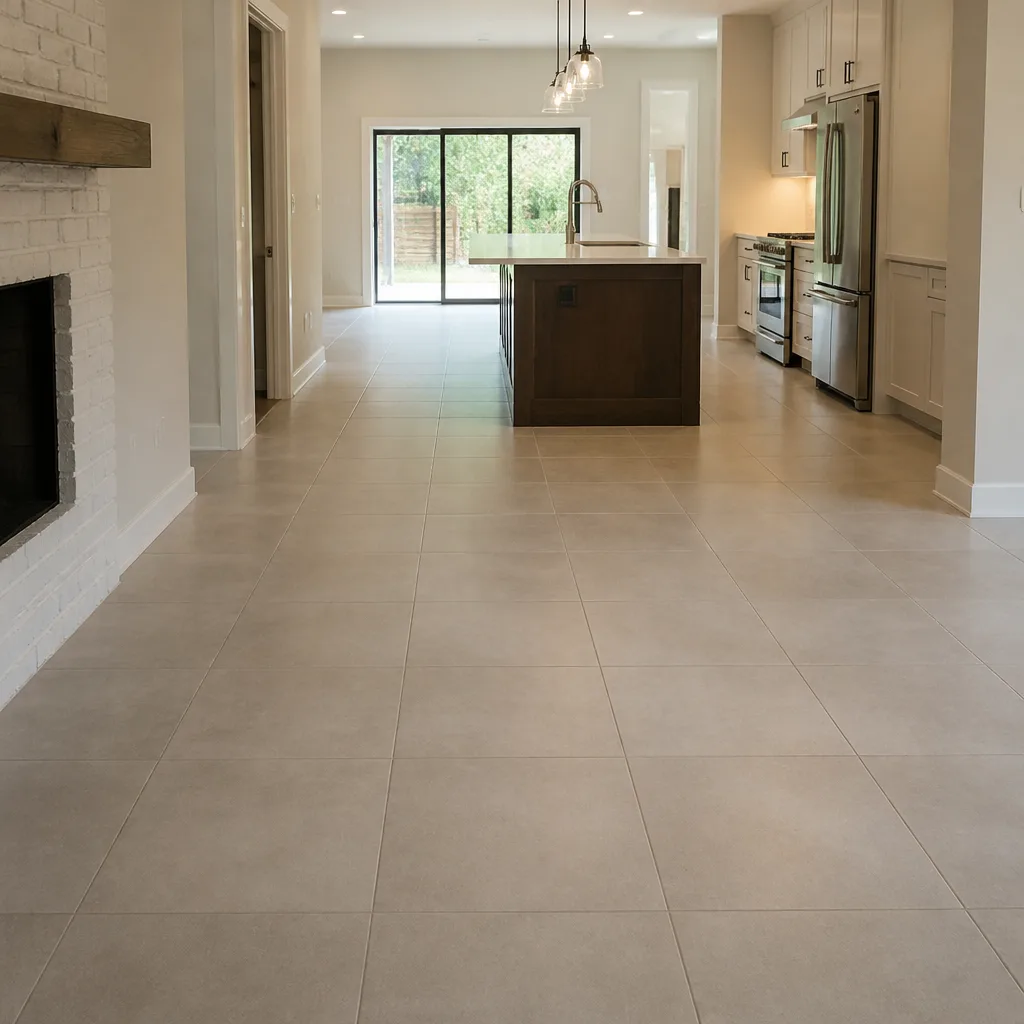 Porcelain tile
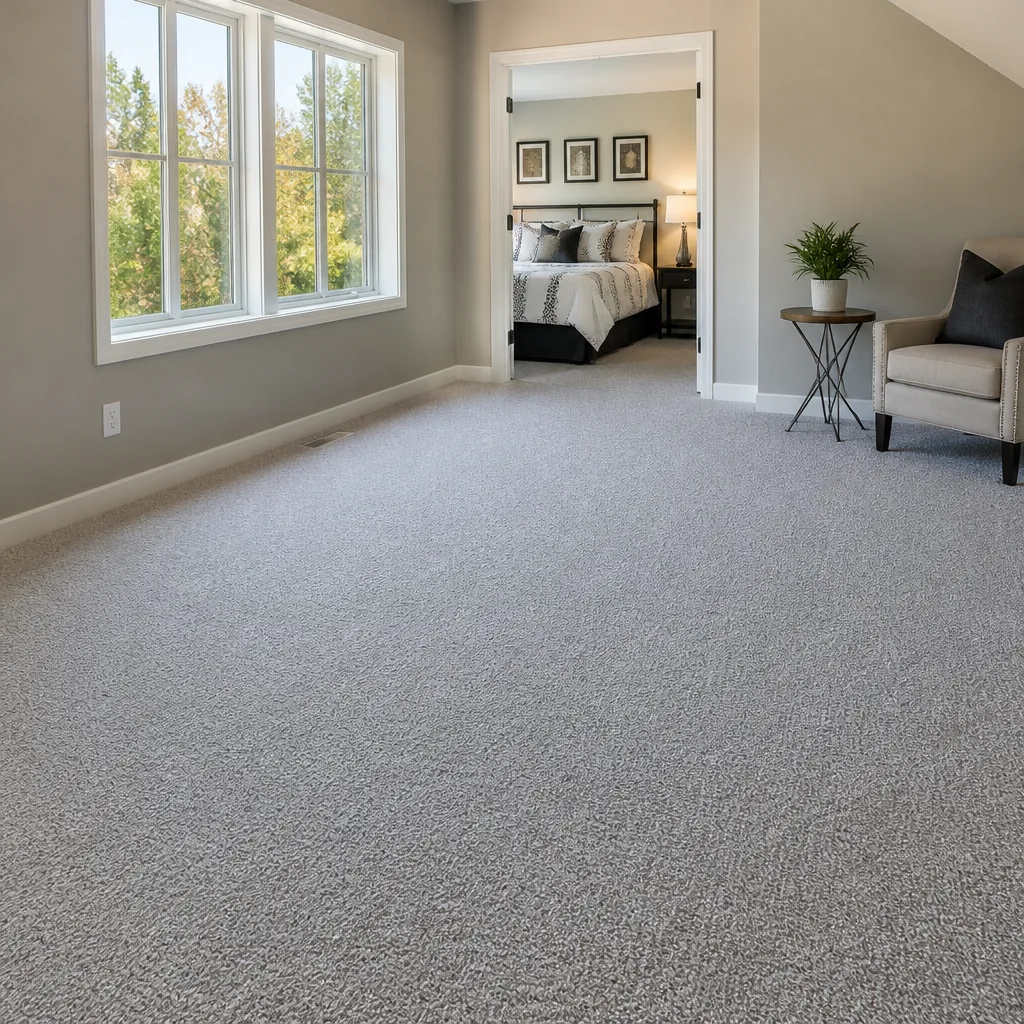 Carpet
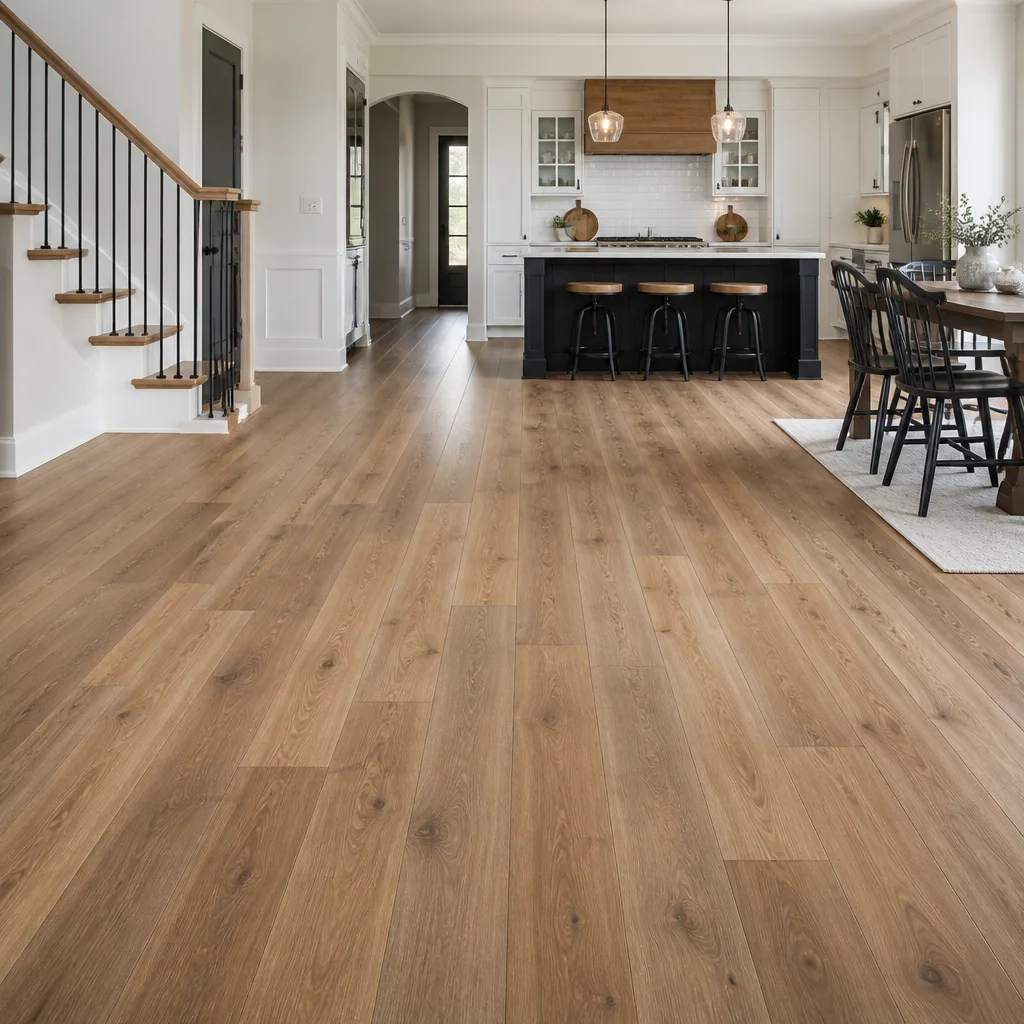 Shaw
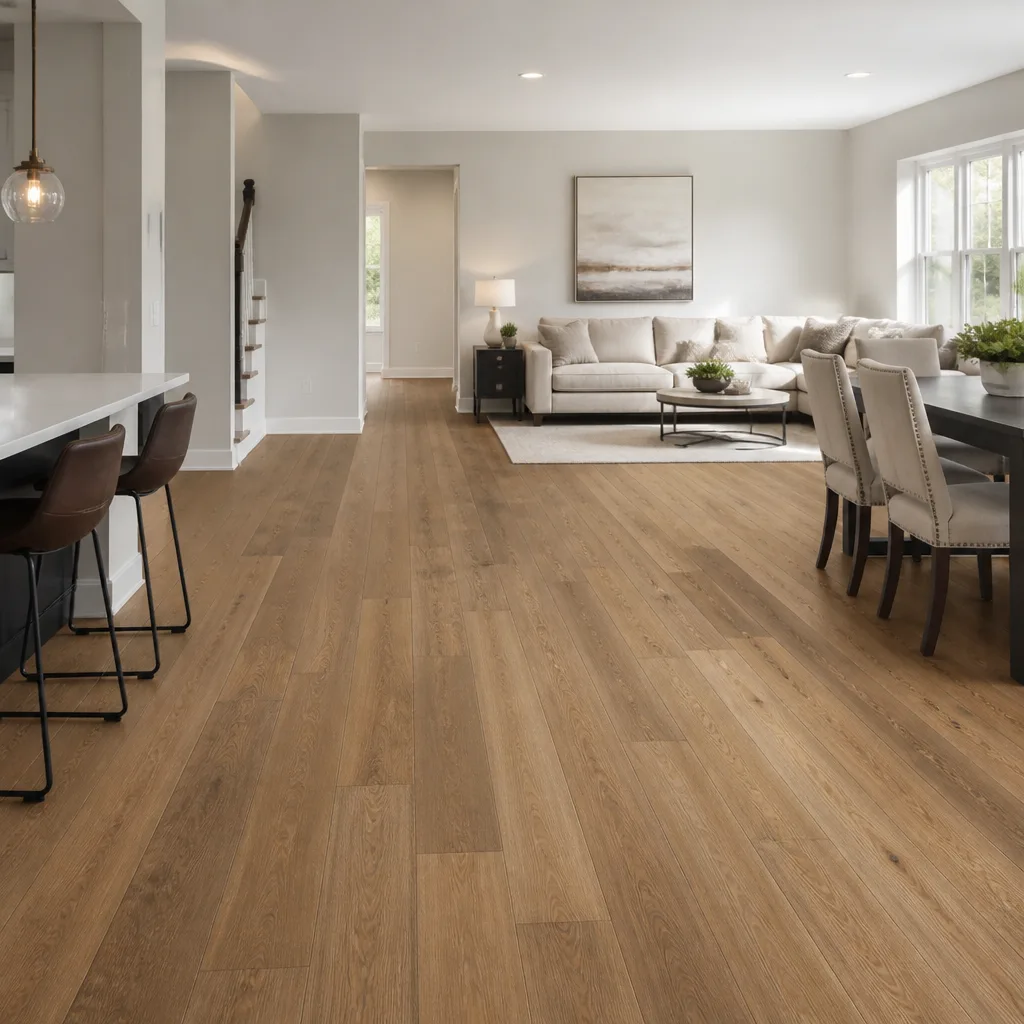 Mohawk
 COREtec
 Pergo
Free in-home measure and written estimate: Shaw, Mohawk, COREtec and Pergo lines compared on your own rooms, with carpet, tile, vinyl plank, laminate and hardwood laid out side by side
Get your free estimateHow Enterprise’s Climate Can Affect Your Flooring Choice
The counterintuitive part about flooring in Enterprise isn’t the heat. It’s the humidity swing. A solid red oak floor that installs beautifully in a milder, steadier climate can cup at the seams and open gaps within a single Las Vegas Valley summer, not because the installer did anything wrong, but because nobody measured the wood’s moisture content against the home’s before the sale. Enterprise sits in a high-desert basin where summer temperatures routinely crack 110°F and indoor relative humidity can move 40 points or more from one season to the next. That movement is what breaks floors. This guide explains what that cycle does to hardwood, tile, and vinyl, which products absorb it and which fight back, and how to buy once for an Enterprise home.
Quick Answer
In Enterprise, the biggest flooring risk isn’t heat alone, it’s the seasonal moisture swing: wood expands and contracts far more here than in milder markets, so engineered hardwood and rigid-core vinyl generally hold up better than solid wood over a concrete slab. Porcelain tile on a properly prepped slab handles the thermal movement well; ceramic is softer and more prone to cracking. The right answer depends on which room, which subfloor, and how steady your indoor climate stays, and that’s what a free in-home measure and estimate sorts out.
Styles & brands we work with
- Hardwood
- Engineered hardwood
- Luxury vinyl plank
- Laminate
- Porcelain tile
- Carpet
- Shaw
- Mohawk
- COREtec
- Pergo
Table of Contents
- Why Moisture Content Matters More Than Temperature
- Hardwood and Engineered Wood: What Survives the Swing
- Luxury Vinyl and Heat: Reading the Spec Sheet
- Tile on a Concrete Slab: Porcelain, Ceramic, and Grout Joints
- How Your Thermostat Talks to Your Warranty
- Material-by-Material Verdict for Enterprise Homes
- Common Mistakes to Avoid
Why Moisture Content Matters More Than Temperature
Wood is a hygroscopic material, meaning it takes on and gives off moisture from the air around it until it reaches equilibrium with its surroundings. That balance point is called equilibrium moisture content, or EMC, and it’s the number that decides whether a floor stays flat. In a humid climate, wood settles at a higher EMC and swells. In a dry one, it loses moisture and shrinks. Enterprise homes cycle through a wide range of indoor humidity across the year, so a board that’s stable in July may not be stable in January.
Here’s what that means in practice. Solid wood installed over a concrete slab in Enterprise has to be protected from moisture coming up through the slab and from the air above it, and both can change with the season. Engineered wood handles the same conditions better because its plywood core is cross-layered, which resists the directional swelling that solid boards show. Neither one is immune. The difference is how much margin for error you have before you see cupping, crowning, or open seams.
- Solid hardwood moves the most with humidity and needs the tightest control over indoor conditions to stay flat.
- Engineered hardwood moves less because of its layered core, which is why it’s often the smarter pick over a slab.
- Rigid-core vinyl is largely unaffected by humidity but reacts to temperature, which is a separate problem we cover below.
- Porcelain tile doesn’t care about humidity at all, which is part of why it’s so common in desert kitchens and baths.
Where does moisture come from in a desert home? Slab vapor, plumbing leaks, swamp coolers, and the seasonal difference between indoor conditioned air and outdoor air all contribute. Knowing your home’s actual conditions – not a generic guess – is the first step before you choose a floor. Our technicians have up to 12 years of experience reading those conditions across Enterprise homes and matching the floor to them.
Hardwood and Engineered Wood: What Survives the Swing
Solid hardwood is beautiful and refinishable, and it also demands the most care in a climate that swings hard between wet and dry. When you’re shopping for hardwood in Enterprise, the questions that matter are: how thick is the wear layer, how stable is the core, and is the board acclimated to the home’s conditions before installation? Those are answered at the estimate visit, not in a showroom.
Engineered hardwood gives you a real wood surface over a dimensionally stable core, which means it handles the Enterprise humidity cycle with more patience. A quality engineered plank from a name brand like Shaw holds its shape better across a big seasonal swing than a solid board of the same species, simply because of how it’s built. If you love the look of natural wood but want refinishing options down the road, engineered with a thicker wear layer is worth asking about.
- Ask about the moisture content of the flooring before it’s installed and compare it against your home’s conditions. The two need to be close for the floor to perform.
- Ask about the subfloor. A concrete slab needs a moisture barrier beneath it. A wood subfloor in Enterprise needs to be flat and dry before installation.
- Ask about acclimation. The product instructions and the written estimate set the acclimation time for the specific product you choose. Don’t assume a fixed number works for every floor.
- Consider the room. A south-facing room over a tile roof bakes hotter than an interior hallway, and that temperature swing affects wood too.
Refinishing existing hardwood is worth considering before you tear it out. If the floor is thick enough and in reasonable condition – something we check at the estimate – a screen and recoat or a full sand and refinish can bring a tired floor back to life without the cost and disruption of replacement. That’s part of what we do, alongside new Enterprise Flooring Installation work, and it’s often the better move when the existing wood is solid and just worn.
Luxury Vinyl and Heat: Reading the Spec Sheet
Luxury vinyl plank is enormously popular in Enterprise, and for good reason: it’s water-resistant, it’s comfortable underfoot, and it takes the daily abuse of a busy household without complaint. But vinyl has a temperature ceiling. Every LVP product has an upper and lower temperature range it’s rated to tolerate, and in a hot-desert room with a south-facing window and a tile roof overhead, that ceiling can matter.
Which vinyl products list upper temperature thresholds on their spec sheets, and why does it matter? Because a rigid-core product like COREtec is engineered to hold its dimensions across a wide temperature range, but even the best LVP has a limit. If a sunbaked room gets hotter than the product’s rated ceiling, you can see expansion-buckling or peaking at the seams. When you’re comparing products for a sun-exposed room in Enterprise, ask for the temperature rating and think about how much direct sun that room gets. Window coverings and ceiling insulation do as much for a vinyl floor as the product spec itself.
Guided by what the room and the household actually need – not by what’s in stock – we install and service the floor the customer chooses from our roster of nine brands, including COREtec, Shaw, Karndean, and Pergo. Some vinyl products are better suited to a hot sunroom than others, and a product spec sheet is what tells you which is which. For moisture-prone spaces like basements and kitchens, water-resistant vinyl is a strong option, with the understanding that standing water and moisture from below still need to be dealt with as any floor does.
If you’re updating an entire room rather than one floor, it’s worth thinking about carpet installation for the bedrooms and vinyl for the wet rooms as a single scheduled project. One crew handling both means one measure, one written price, one install day.
Tile on a Concrete Slab: Porcelain, Ceramic, and Grout Joints
Tile is the natural flooring for a desert home because it doesn’t care about humidity and it handles heat gracefully – if you choose the right tile body and set the grout joints to absorb movement. Two decisions control most of the outcome: porcelain versus ceramic, and the width of the grout joint.
Porcelain and ceramic aren’t interchangeable. Porcelain is denser and has lower water absorption, which makes it more rigid and more forgiving of temperature change. Ceramic is softer and lighter, and it can crack under thermal movement over a large concrete slab. On the concrete slabs common in Enterprise homes, porcelain is usually the more reliable choice for a room with big sun exposure or a lot of temperature swing. Daltile offers both bodies, so the conversation is about which one fits the room, not which brand is available.
- Body first. On a slab with real seasonal movement, porcelain’s lower absorption and greater rigidity make it the safer bet.
- Joint width second. A wider grout joint gives expansion somewhere to go. Setting tile tight across a big slab is the classic way to get cracked tile and popped grout.
- Context third. Large-format tile in a sunbaked room over a slab is a different job than small tile in a shaded bath.
- Prep as the foundation. A proper subfloor prep on a concrete slab includes checking for flatness and moisture before a single tile is set.
In our experience, the cracked-tile jobs we see in Enterprise trace back to a tile-and-joint choice that ignored the slab and the room, not a bad tile or a bad grout. Getting the body and the joint sizing right at the estimate is where the job is won. For a deep dive on setting methods, see our tile flooring installation page.
How Your Thermostat Talks to Your Warranty
Your flooring warranty is a contract, and it’s tied to the conditions the floor lives in – not just the material. That’s a detail most homeowners never hear until a claim is denied. Flooring manufacturers write their warranty language around indoor climate conditions, which means the way you run your HVAC in an Enterprise home is part of the warranty story.
Homeowners who set the thermostat back hard in the summer while away and let the house cook, then blast it cold on return, create big temperature and humidity swings inside the home. Those swings stress all the materials we’ve covered – wood most of all, then vinyl, then tile. Wood moves. Vinyl expands. Tile can crack at the joint line. Keeping interior conditions reasonably steady is the single cheapest way to protect a floor in this climate.
Warranty language varies by manufacturer, so the written estimate and the product instructions are what set the rules for your specific floor. The point to carry away is simple: a floor that lives in a well-regulated home outperforms one that lives in a house with a thermostat that gets moved hard and often. Your thermoset interacts with your floor more than most people realize.
If you’re not sure whether your home’s conditions are reliable enough for the floor you’re considering, that’s a conversation worth having at the estimate. We’ll walk through the room, the sun exposure, the slab, and the household routine before recommending a specific product.
Material-by-Material Verdict for Enterprise Homes
After walking through a lot of Enterprise rooms, here’s how we see the material choices sorting out. This isn’t a list of brands – it’s a list of constructions – because the right choice depends on where in Enterprise you live, which room you’re flooring, and how steady your indoor climate is.
- Best overall for a hot, dry Enterprise home over a concrete slab: porcelain tile in the kitchen and baths, engineered hardwood in the living areas, and rigid-core vinyl where water is a real concern. It’s a mixed-material home, and a single crew that can install all three saves you the headache of three separate contractors.
- Good with conditions: solid hardwood if the subfloor is right, the board is properly acclimated, and the home’s HVAC is run steadily. Carpets in bedrooms, especially where the room stays cool.
- Buy carefully: LVP in a sun-baked south-facing room without considering the product’s upper temperature rating, or ceramic tile across a large slab.
- Avoid entirely: any floor laid without properly prep pressure on the subfloor or without checking moisture at the slab. This isn’t a material choice; it’s a setup choice, and it’s the one most likely to fail in this climate.
Our technicians have up to 12 years of experience matching constructions to Enterprise homes, and we install and service the floor the customer chooses from our nine-brand roster. If you’re not sure where your home falls, Enterprise is a good place to start the conversation – we’ll look at your actual conditions, not at what’s on the shelf.
Common Mistakes to Avoid
- Choosing the floor by look alone. A floor that photographs well in a showroom may fight the slab and the humidity cycle in your home. Match the construction to the conditions first, then pick the color.
- Ignoring the slab underneath. Concrete slabs in Enterprise homes need moisture checked before any wood floor goes down. Skipping that step is the single most common setup mistake.
- Setting tile joints too tight. A narrow grout joint on a large slab leaves no room for thermal expansion. Wider joints look intentional and hold up better.
- Forgetting that a thermostat is part of the floor’s warranty story. Big indoor swings stress every material. Steady conditions protect the warranty along with the floor.
- Skipping the moisture test because “it’s dry here.” Desert air is dry; slabs still hold moisture. Don’t confuse the two.
- Assuming refinishing is impossible before you ask. A solid floor with enough thickness can often be saved. Ask at the estimate before you budget for replacement.
- Buying solid wood for a sunbaked slab room without asking about stabilization. Solid can work, but only under the right conditions. Don’t buy it on the promise alone.
When to Call a Professional
Some flooring projects really do want a pro. If you’re installing over a concrete slab and you’re not sure what’s happening with moisture, that’s a call. If a floor has started to cup, crown, or open at the seams and you don’t know why, that’s a call. If you’re pulling up an old floor and wondering whether the tile below can be saved or must come out, that’s a call. And if you’re weighing refinishing an existing hardwood floor against replacing it, a professional set of eyes will tell you whether the wood has enough thickness to work with. Enterprise Flooring Installation offers free estimates in Enterprise – call (833) 620-6314 to schedule one. We answer 24/7, with fast dispatch from 7am to 7pm, Sunday through Friday. The written estimate sets the price, and it’s free.
See the difference
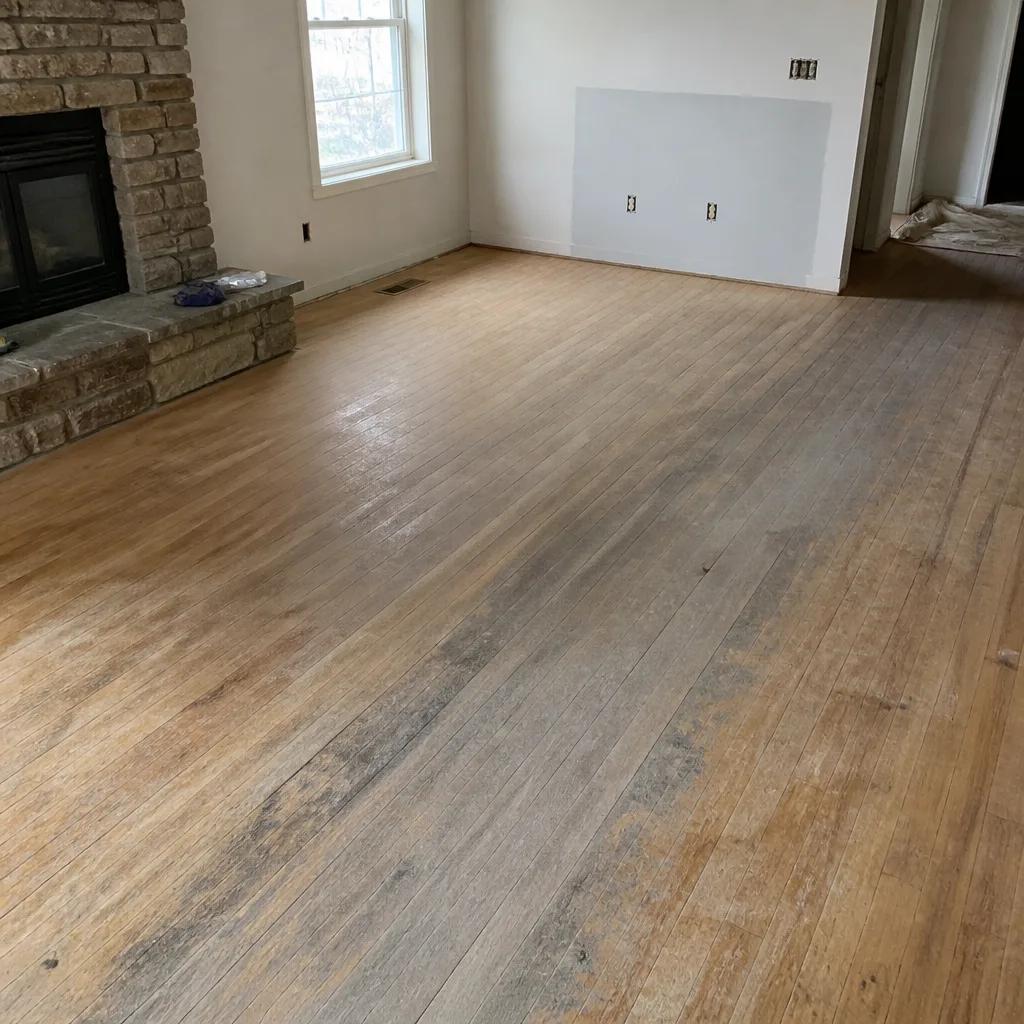 Before
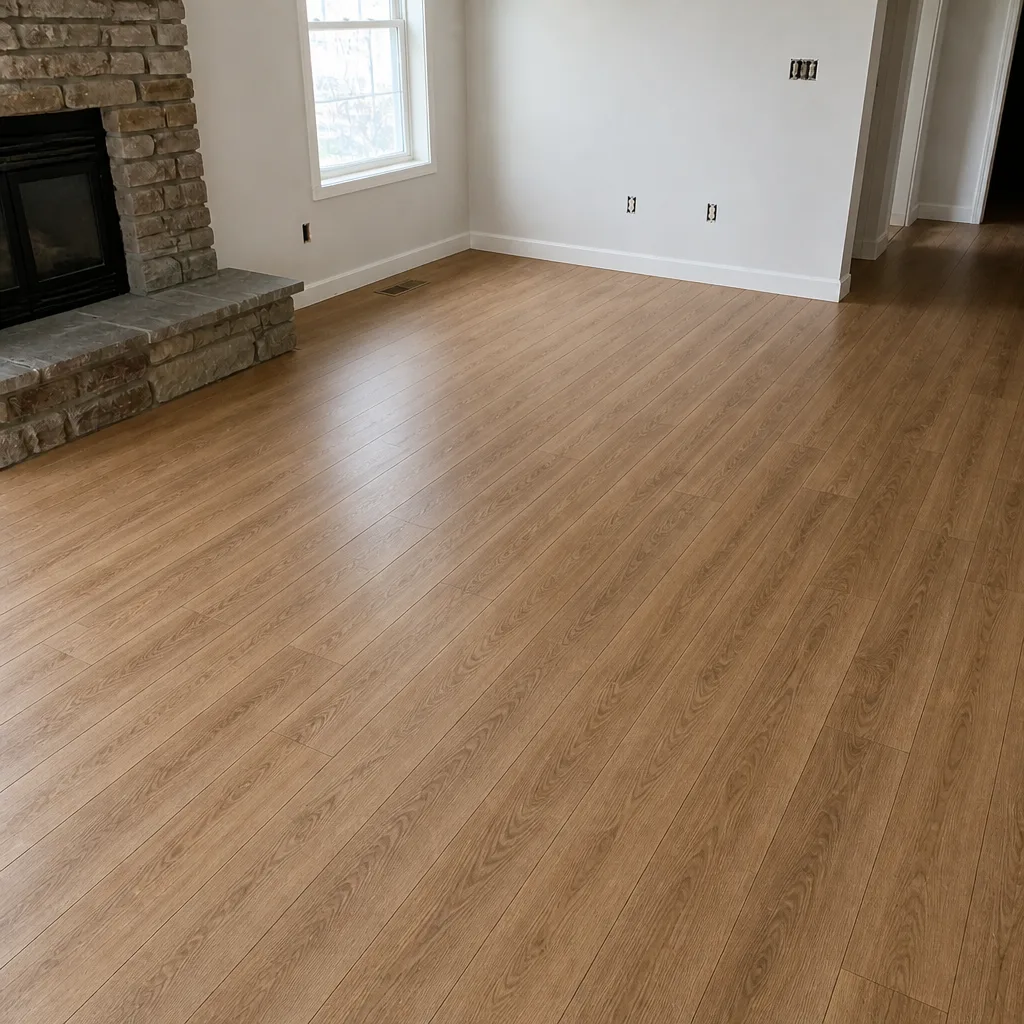 After
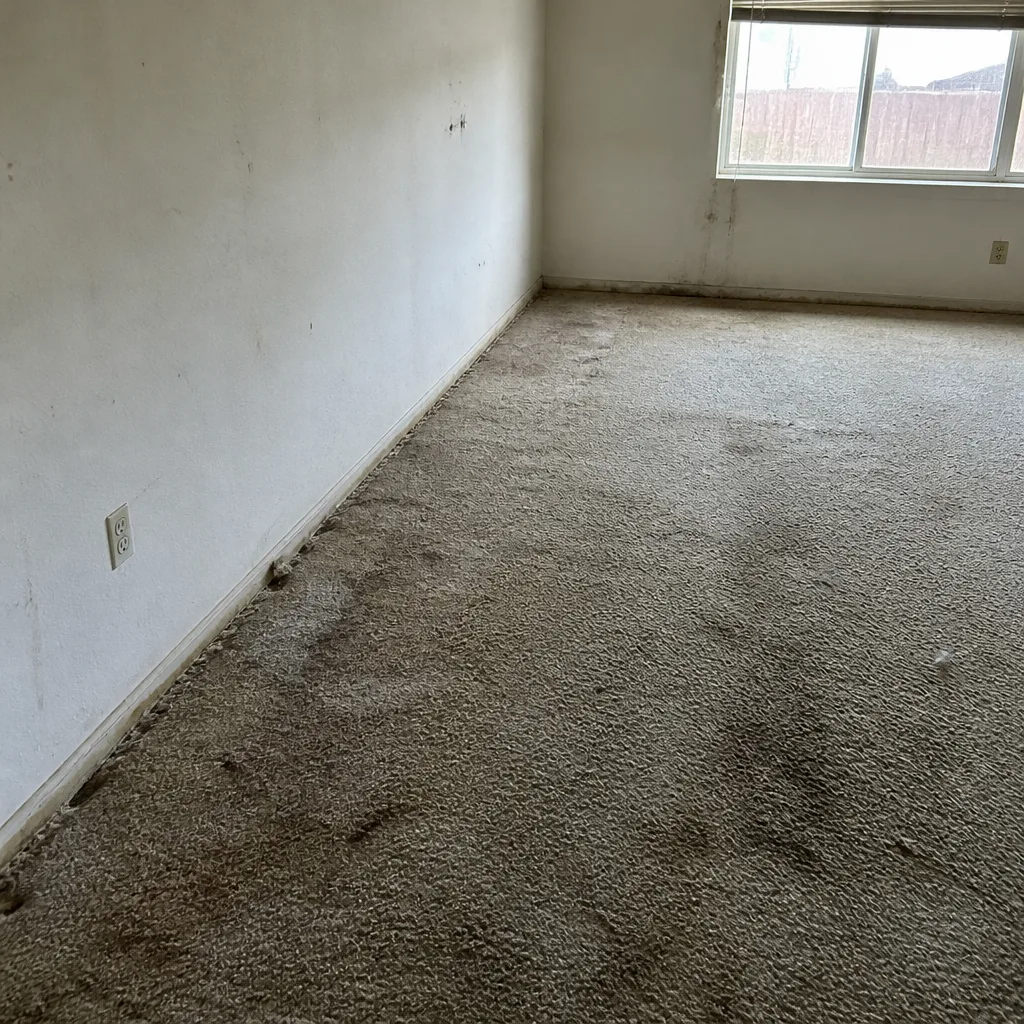 Before
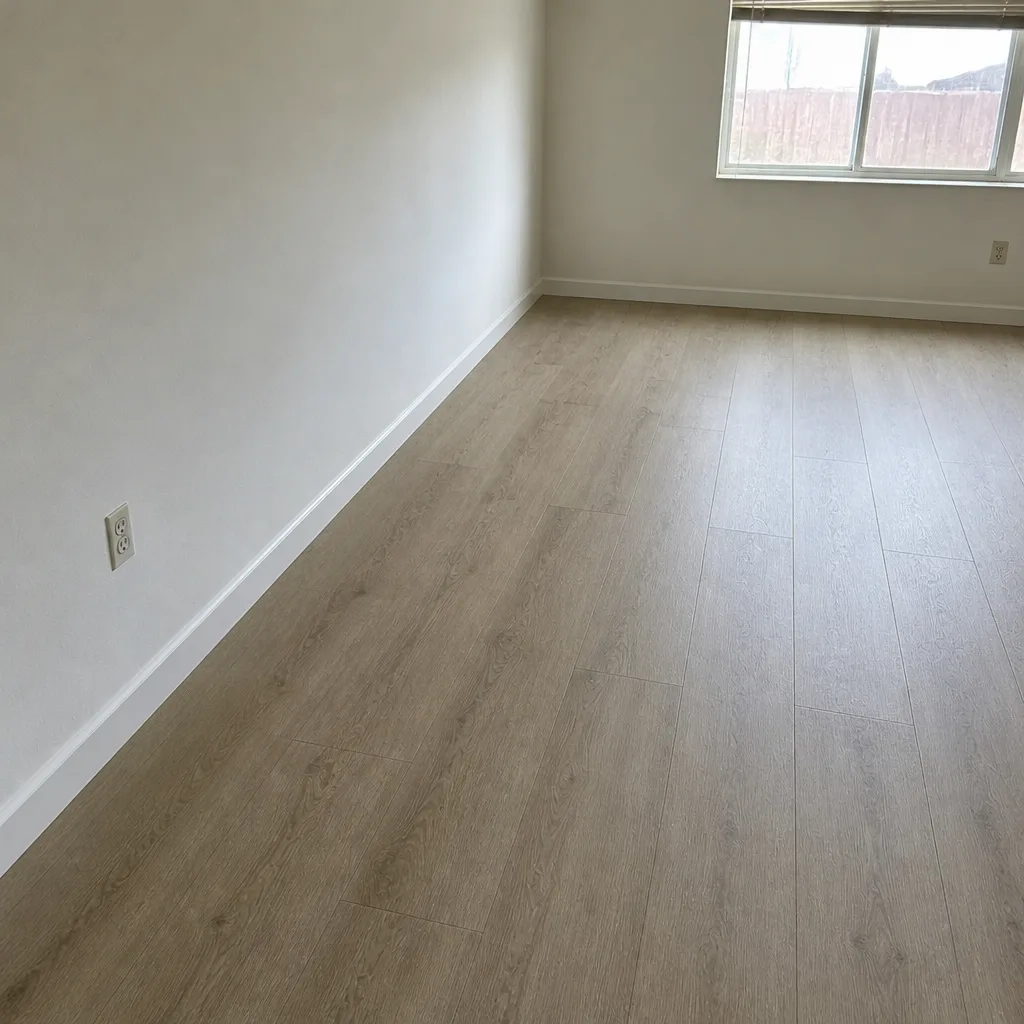 After
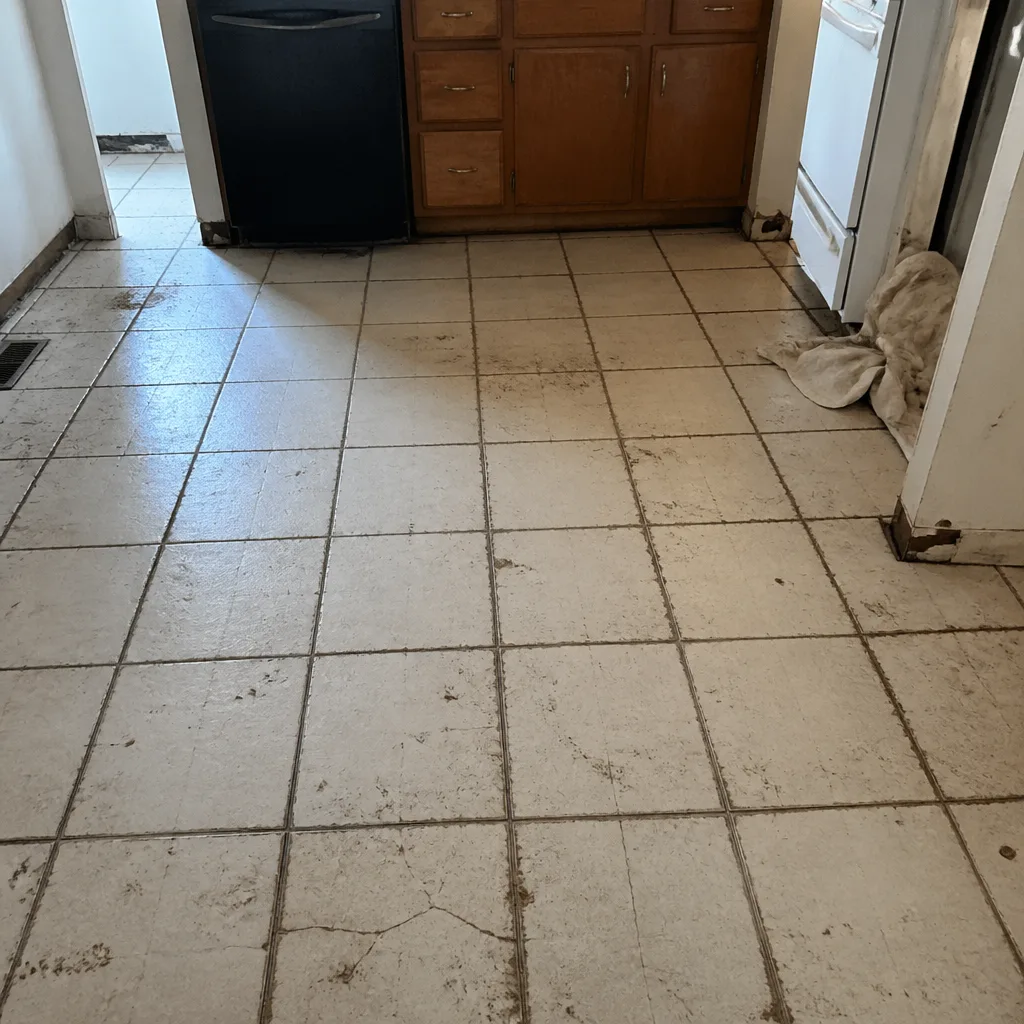 Before
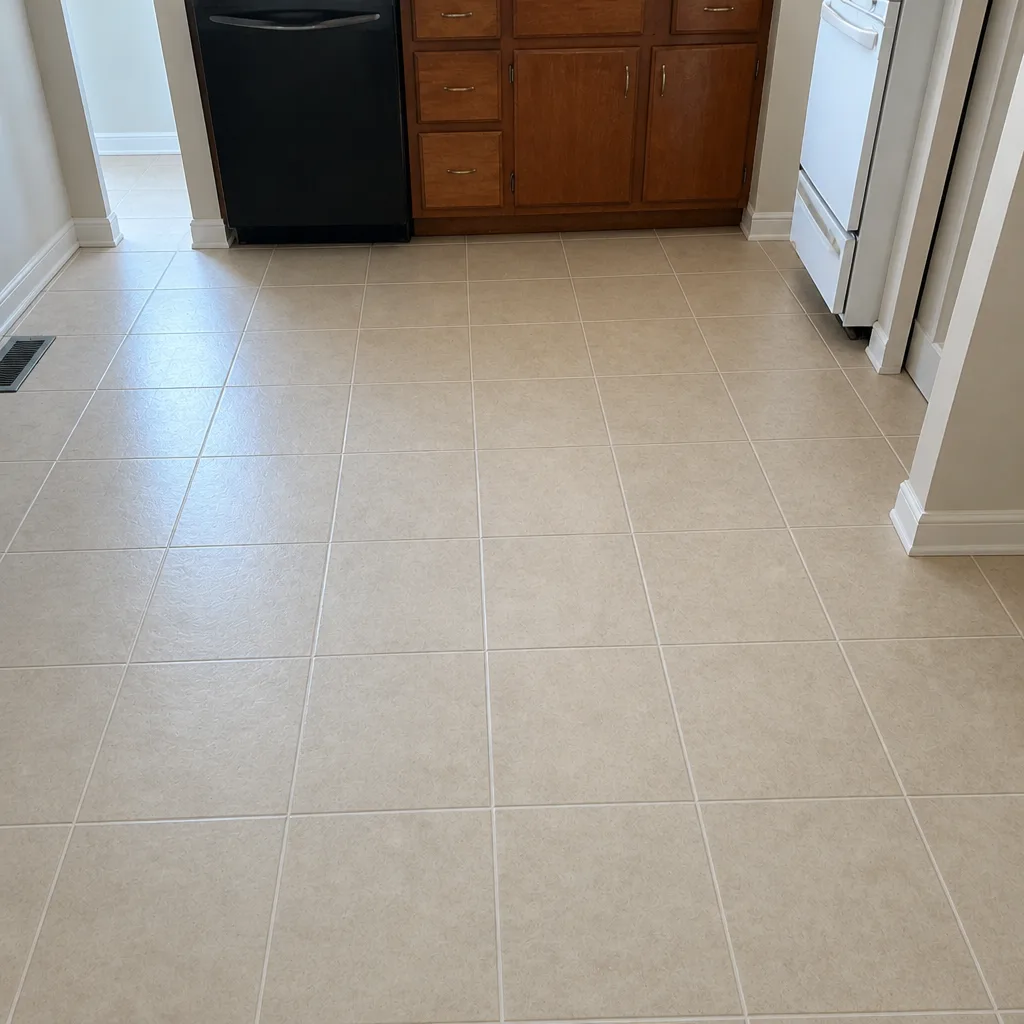 After
Frequently Asked Questions
Porcelain tile, engineered hardwood, and rigid-core water-resistant vinyl are the most reliable constructions for Enterprise’s wide seasonal humidity swing. Solid hardwood can work, but it needs the right subfloor, proper acclimation, and steady indoor conditions. The best choice depends on the room, the slab, and the household routine, which a free in-home estimate will sort out. Call (833) 620-6314 to schedule yours – estimates are free.
Solid hardwood is more prone to cupping and seam-gap issues in Enterprise than engineered wood because solid boards move more with the seasonal moisture swing. It isn’t doomed – with a proper subfloor, correct acclimation, and steady indoor climate, it can perform well. Ask about moisture content and acclimation before you buy. To talk through the specifics for your home, call (833) 620-6314.
Luxury vinyl plank works well in most Enterprise rooms, but every LVP product has an upper temperature rating, and a sunbaked south-facing room can push past it. Ask for the product’s temperature spec and consider window coverings and insulation in that room. Rigid-core products like COREtec are engineered to hold their dimensions across a wide range. Call (833) 620-6314 for help choosing the right product for a hot room.
Porcelain is usually the better choice on a concrete slab in Enterprise because it’s denser, less water-absorbent, and more forgiving of thermal movement than ceramic. Ceramic can crack under the same conditions. Joint width matters too – a wider grout joint gives the tile room to move. For an exact recommendation on your room, call (833) 620-6314.
Yes. Flooring warranty language is tied to the indoor climate conditions the floor lives in, and big indoor humidity and temperature swings stress all flooring materials. Keeping your home reasonably steady protects both the floor and the warranty. The written estimate and the product instructions set the specific rules for your product. Call (833) 620-6314 with questions.
Often yes, if the wood is thick enough and in reasonable condition. We check the thickness and condition at the estimate to see whether refinishing is a real option. Refinishing is usually the smarter, less disruptive move than full replacement when the wood is solid and just worn. Call (833) 620-6314 to schedule a free estimate and find out.
The Bottom Line
Enterprise’s climate doesn’t make any single flooring material impossible; it makes the choice matter more than it would in a steadier market. Porcelain tile and engineered hardwood handle the swing best, rigid-core vinyl is close behind for water-prone rooms, and solid wood works when the conditions are right. Every one of those choices comes down to the subfloor, moisture content, acclimation, and the way the home is run. Get those right and the floor you buy in Enterprise will still be the floor you have years from now. Get them wrong and even a great product will fight you. Nine trusted brands, one installation crew, covering carpet, tile, and hardwood – that breadth is what lets us match the floor to the room instead of to a single product line.
Schedule Your Free Estimate
Call (833) 620-6314 to schedule your free estimate. We answer 24/7. Fast dispatch from 7am to 7pm, Sunday through Friday. We’ll measure the room, check the subfloor, and talk through which flooring construction fits your conditions, then put the recommendation and the price in writing. The written estimate sets the final price, and it’s free.
Written by the team at Enterprise Flooring Installation.