
Last updated November 17, 2026
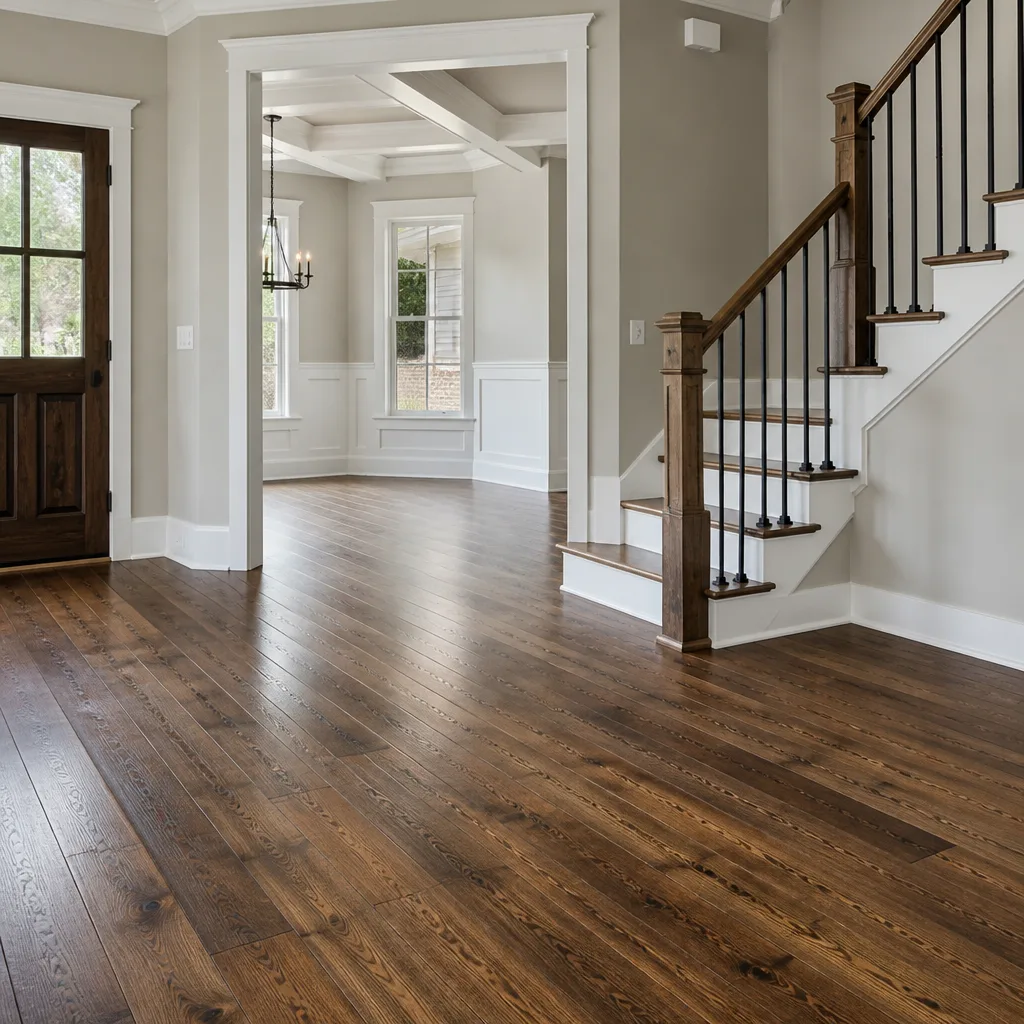 Hardwood
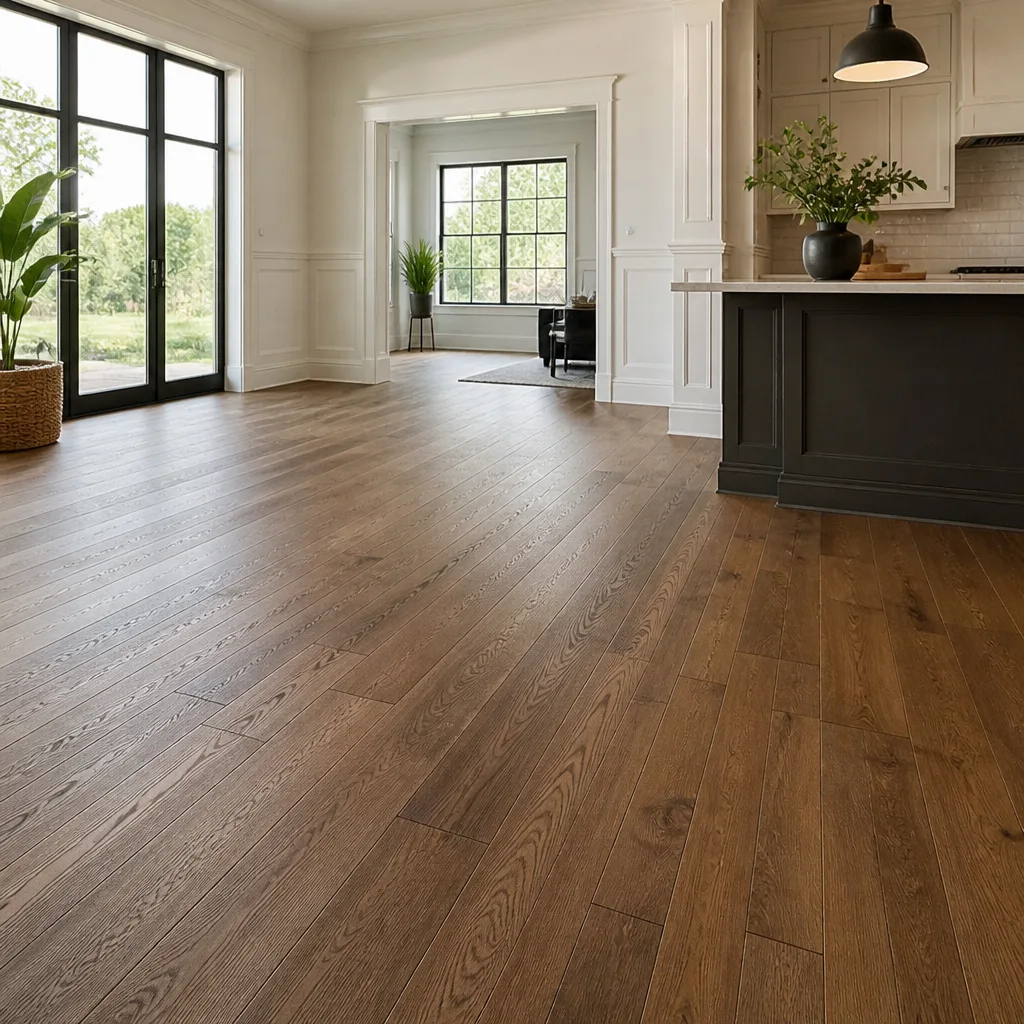 Engineered hardwood
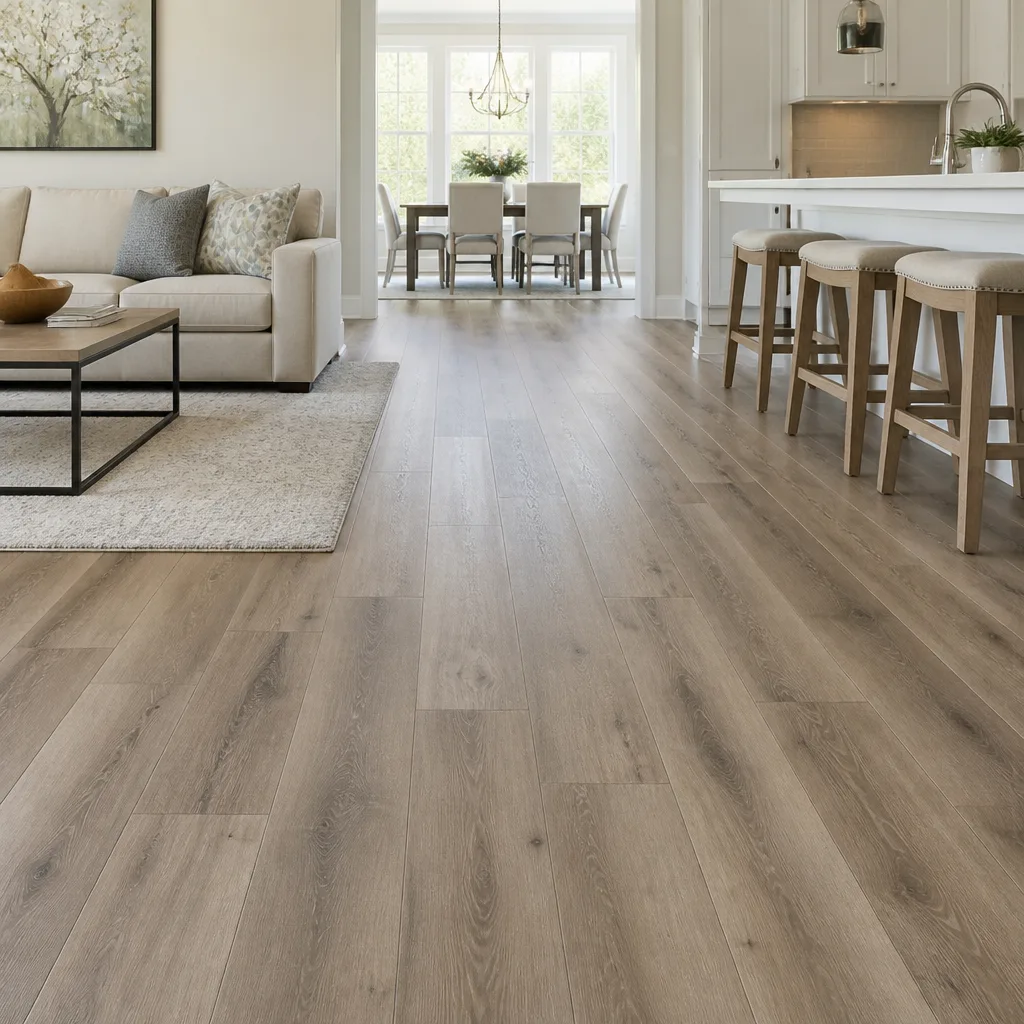 Luxury vinyl plank
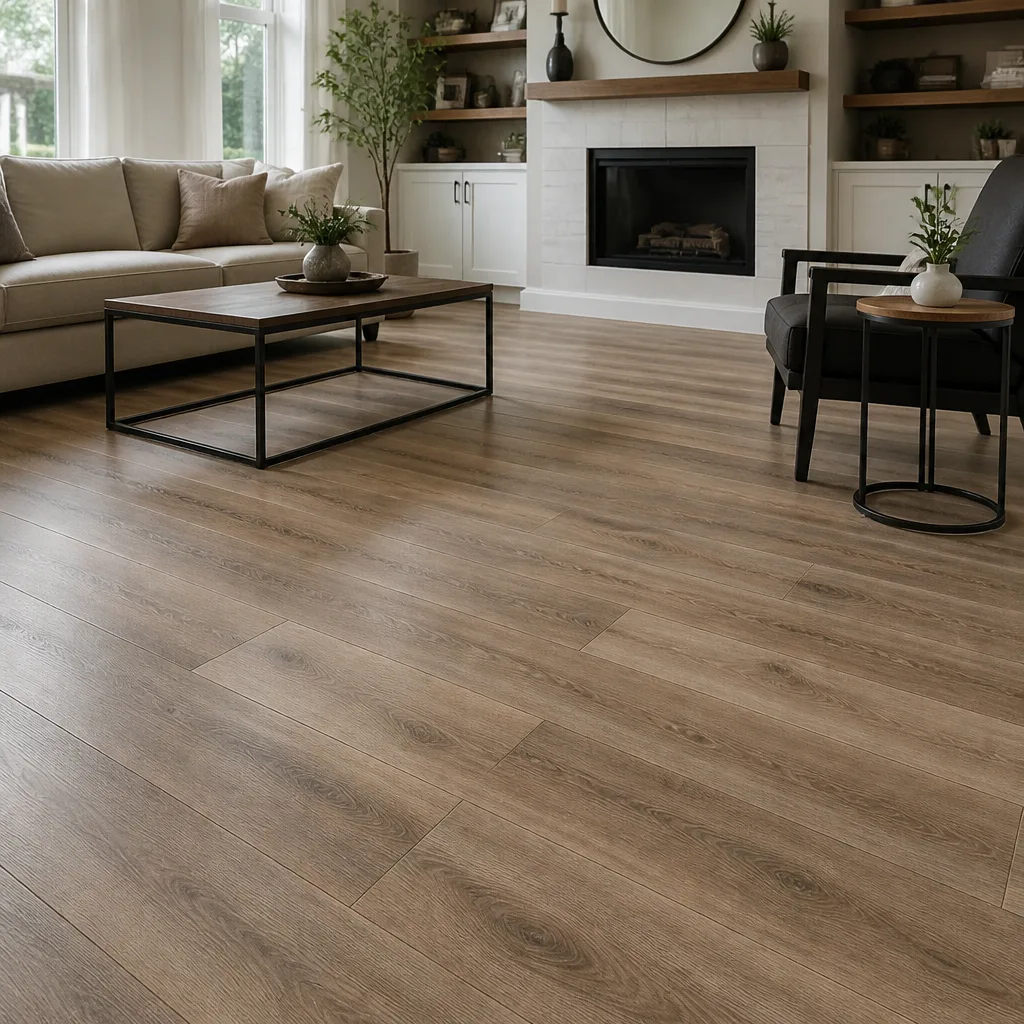 Laminate
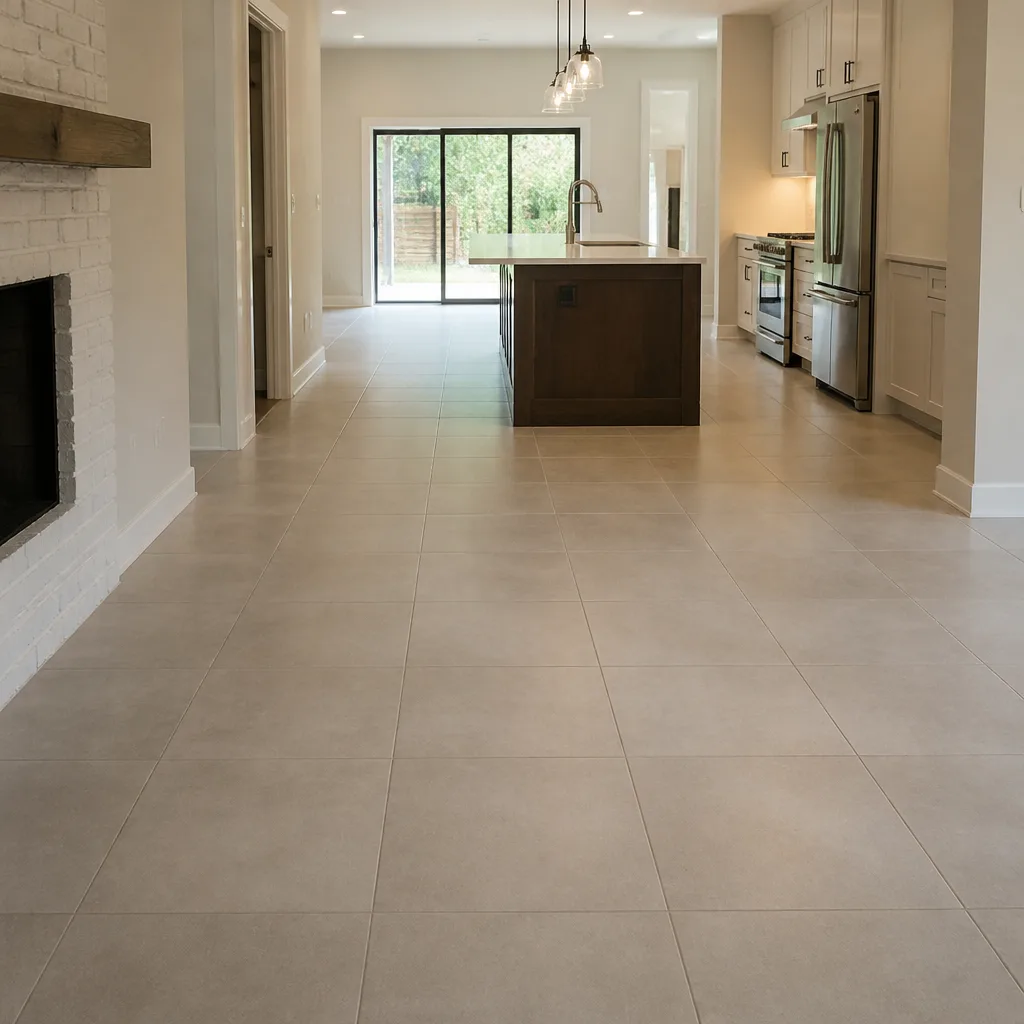 Porcelain tile
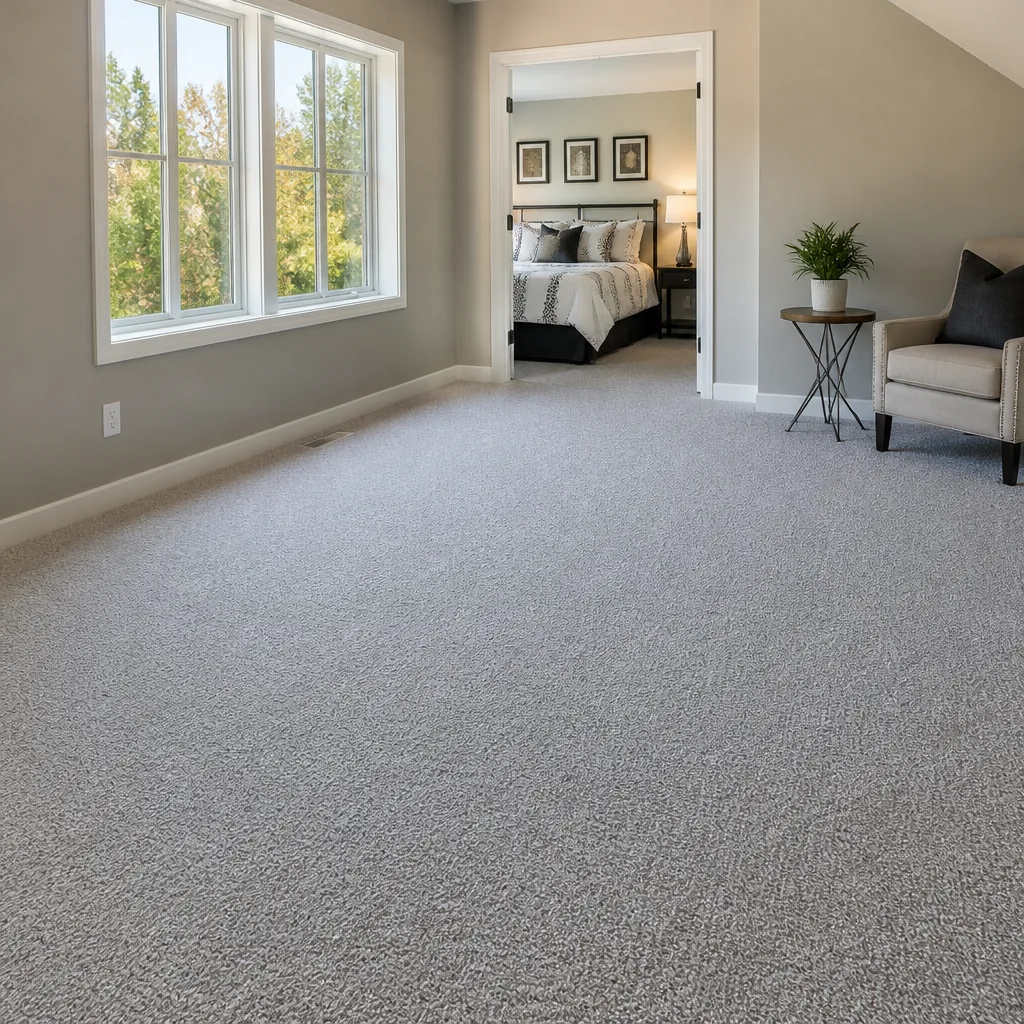 Carpet
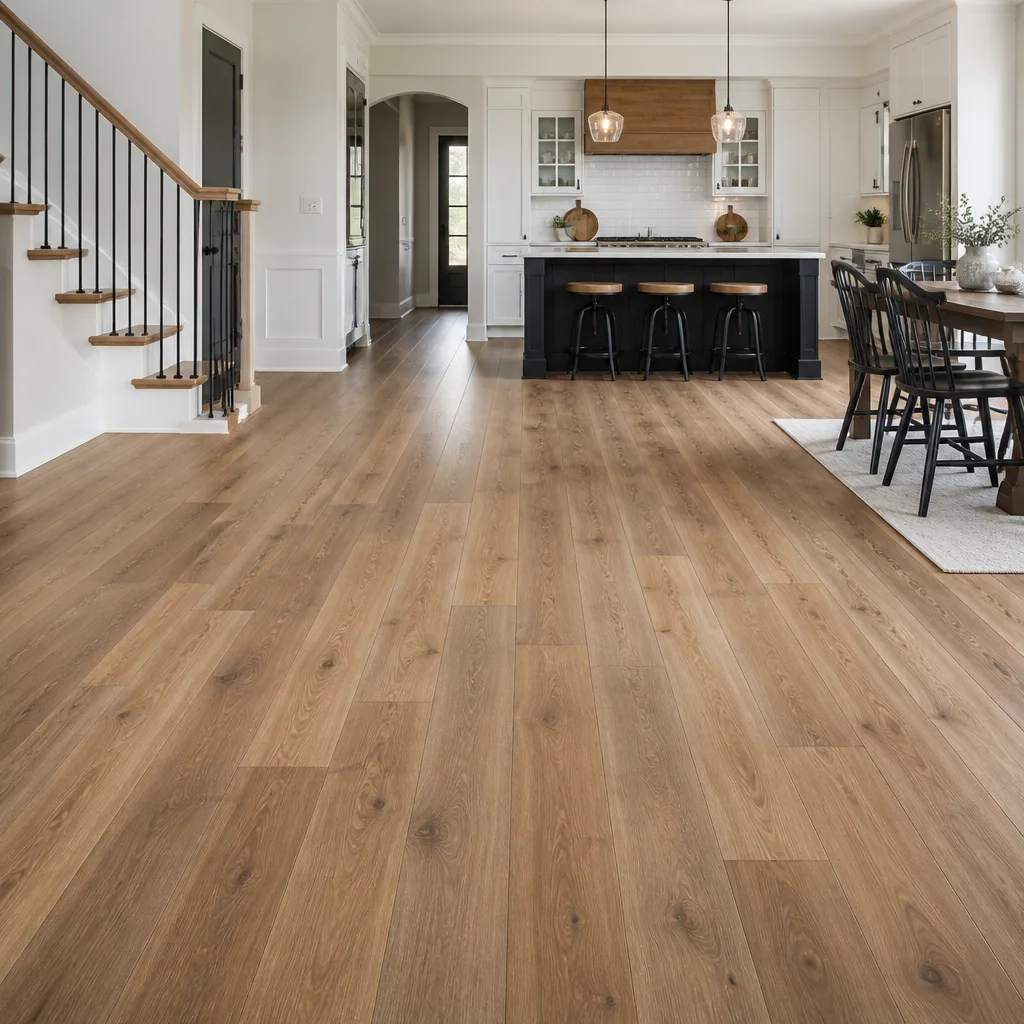 Shaw
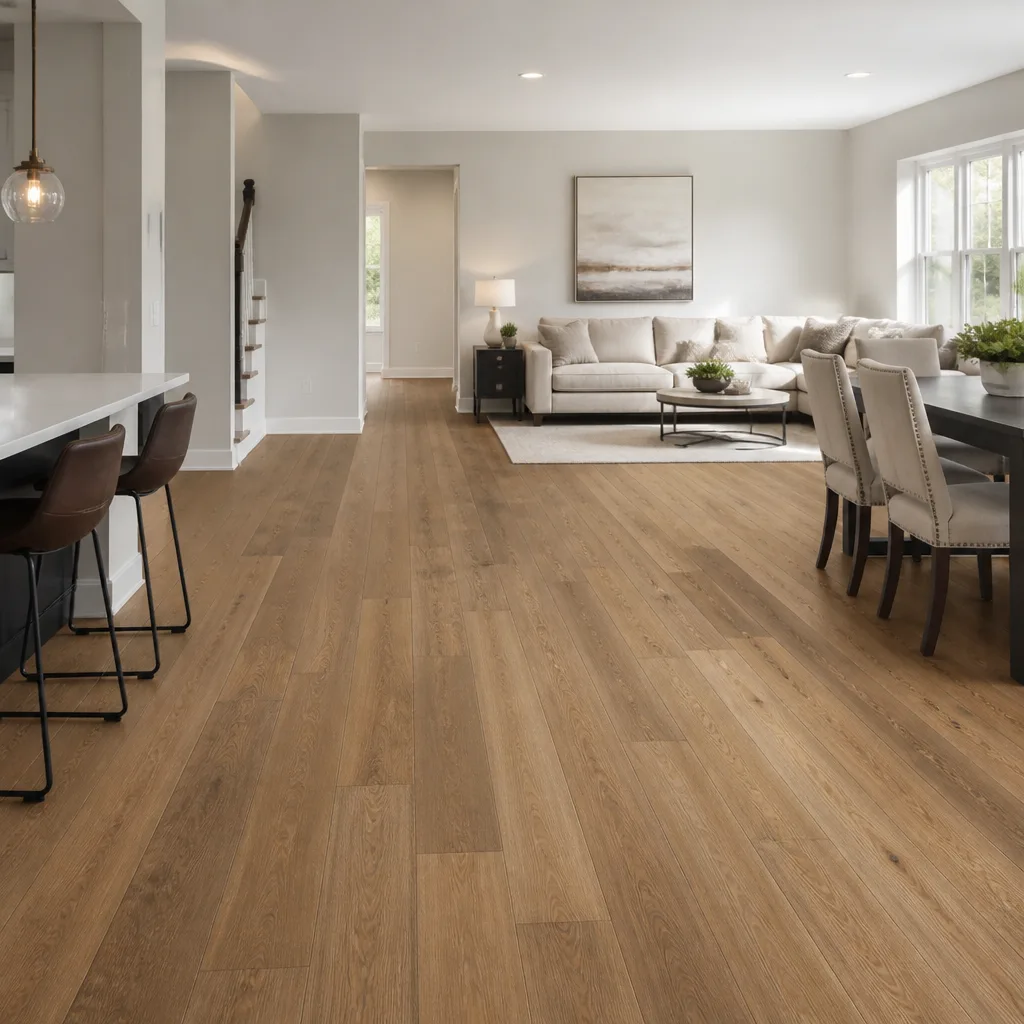 Mohawk
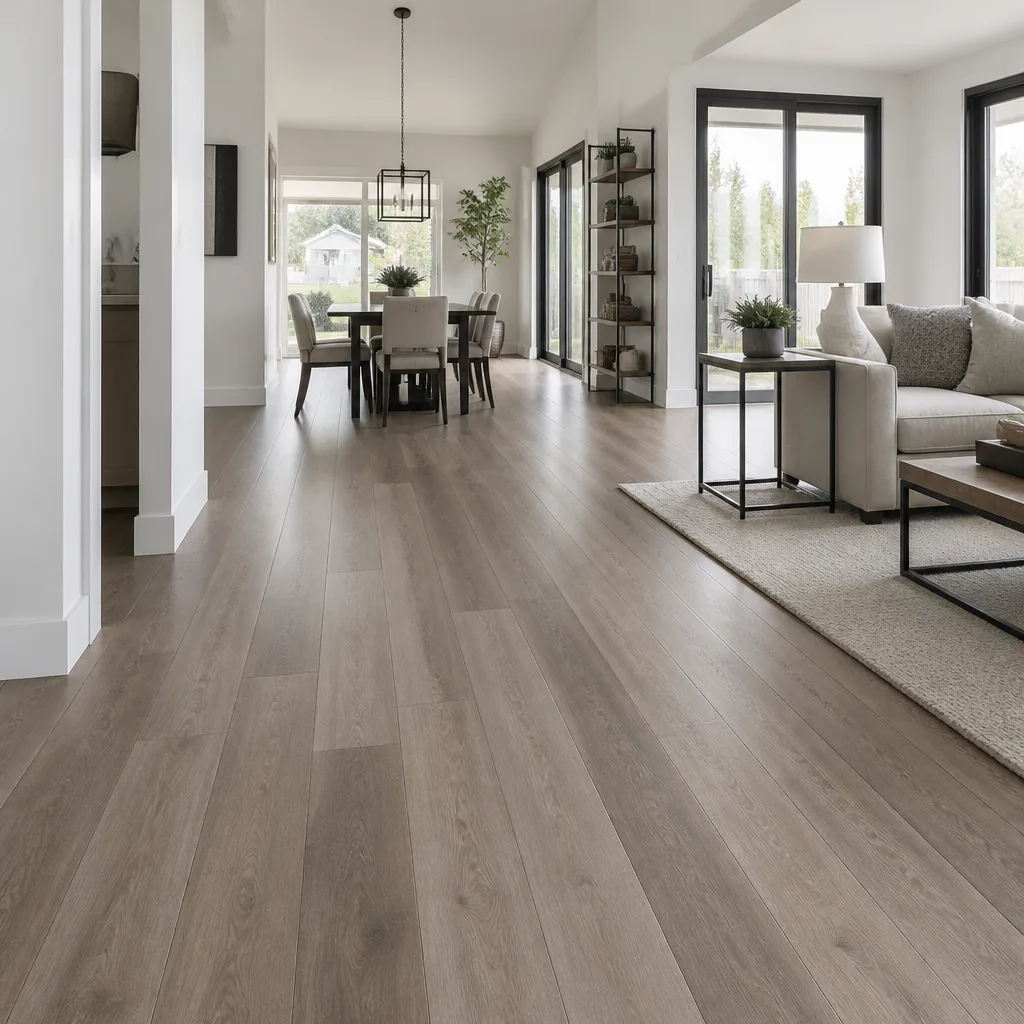 COREtec
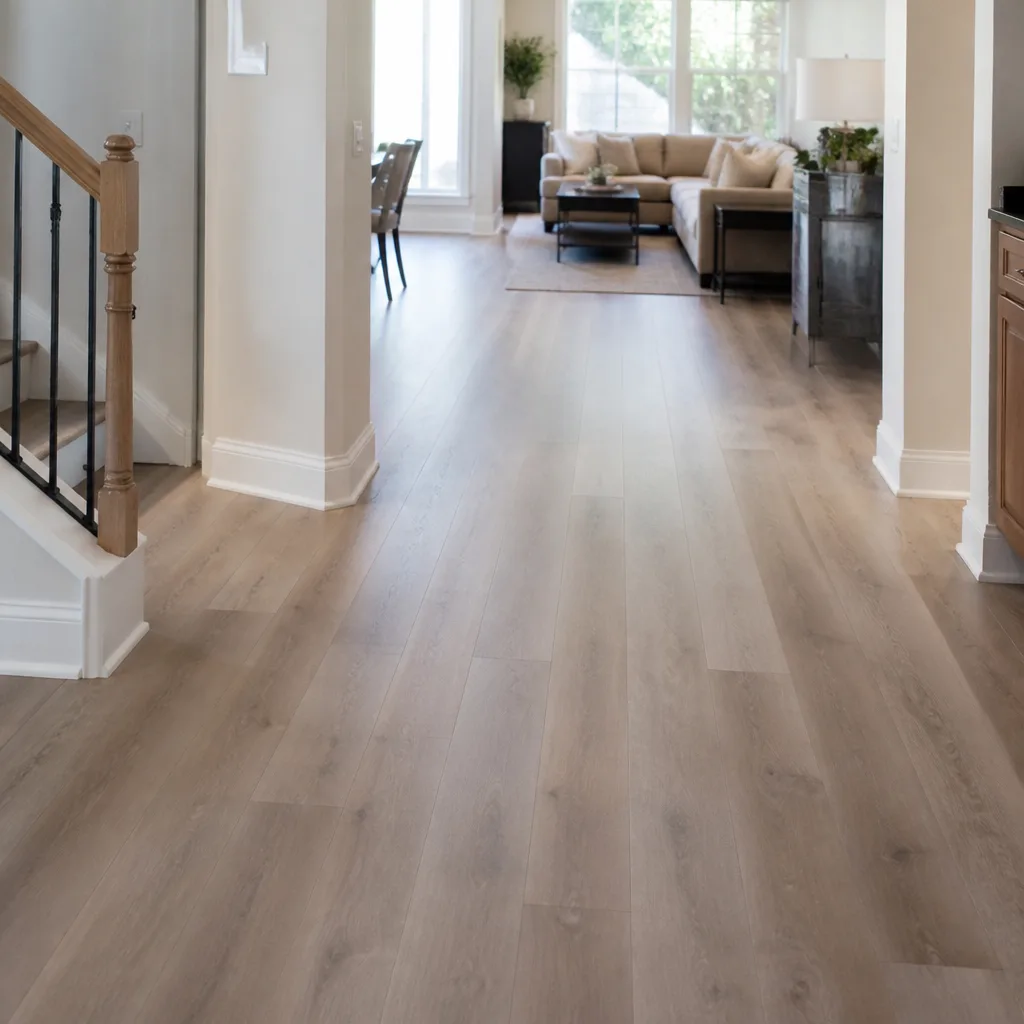 Pergo
Free in-home measure and written estimate: Shaw, Mohawk, COREtec and Pergo lines compared on your own rooms, with carpet, tile, vinyl plank, laminate and hardwood laid out side by side
Get your free estimateThe Complete Guide to Flooring in Enterprise
Most flooring guides are written for the Pacific Northwest or the Southeast. Enterprise sits at roughly 2,000 feet in the Mojave Basin, and what works in Portland will gap, cup, or delaminate here within two years. The problem isn’t the product. It’s that the product was chosen for a different climate. Enterprise, NV combines low humidity (often under 20% indoors in winter), wide temperature swings between day and night, and slab-on-grade foundations that most builders pour without a crawl space buffer. This guide covers what actually holds up here, room by room, material by material, and how to sequence a multi-surface project without hiring three separate contractors.
Quick Answer
The right flooring for an Enterprise home depends on three things: which room, whether the slab is above or below grade, and how much moisture that room sees. Carpet works well in bedrooms and living areas where the subfloor is protected and humidity stays stable. Tile handles bathrooms, kitchens, and entryways where water is routine. Hardwood and engineered wood can work in arid climates if acclimation is handled correctly and indoor humidity stays in a reasonable band. In Enterprise, the biggest risk isn’t wear. It’s moisture imbalance.
Styles & brands we work with
- Hardwood
- Engineered hardwood
- Luxury vinyl plank
- Laminate
- Porcelain tile
- Carpet
- Shaw
- Mohawk
- COREtec
- Pergo
Table of Contents
- How Enterprise’s High Desert Climate Affects Every Flooring Choice
- Slab-on-Grade Construction: What It Means for Your Floor
- Material-by-Material in an Arid Climate
- Room-by-Room Priority Matrix
- Sequencing a Multi-Room Project Without Three Contractors
- Hardwood Refinishing vs. Full Replacement
- Common Mistakes to Avoid
- When to Call a Professional
How Enterprise’s High Desert Climate Affects Every Flooring Choice
Relative humidity indoors in Enterprise can drop under 20% during winter heating season, then climb quickly during monsoon months. That swing matters more than most homeowners realize. Wood is hygroscopic: it takes on moisture and gives it up, and it expands and contracts as it does. When an installer acclimates a wood floor properly, the planks are at equilibrium with their environment before installation, so the movement after install is small. When they’re not, the same floor can gap along the seams in winter and cup or crown in summer.
Here’s what happens to each material in this climate:
- Solid hardwood is the most climate-sensitive. It moves the most across a seasonal change and needs consistent indoor humidity to stay stable. Refinishing it is possible if the boards are thick enough and in good condition, checked at the estimate visit.
- Engineered wood is more dimensionally stable because the cross-ply core limits movement. It still needs an acclimation period, and the manufacturer’s written instructions set the timing.
- Laminate moves with humidity too but handles it better than solid wood in most rooms. It is not waterproof, and standing water or moisture from below still has to be dealt with.
- Luxury vinyl plank (COREtec, LifeProof, and others) is water-resistant and dimensionally stable. It’s a good fit for basements and slab-on-grade rooms where moisture is a real concern, not just a hypothetical one.
- Carpet is stable as long as the subfloor is dry. It’s the most forgiving surface when humidity swings, because the fibers don’t move the way wood does.
- Tile is the most dimensionally stable of all. It doesn’t care about humidity. It does care about the substrate, which is where slab-on-grade specifics come in.
Shaw, Mohawk, COREtec, and Pergo all publish acclimation and installation specifications for their product lines. Reading those specs before ordering is not optional in Enterprise. The product instructions and the written estimate set what’s required; general rules of thumb from other climates don’t.
Slab-on-Grade Construction: What It Means for Your Floor
Most homes in Enterprise and the broader Las Vegas Valley sit directly on a concrete slab. There’s no crawl space and no basement buffer between the floor and the ground. That single fact reshapes the product selection. On a slab, moisture vapor can move up through the concrete, and any flooring installed directly over it has to tolerate that movement or be protected from it. An above-grade second floor is different: the subfloor is a wood deck, and moisture from below isn’t the concern.
A few practical rules that follow from slab construction:
- Test before you install. A moisture test on the slab tells the installer what kind of vapor barrier, underlayment, or adhesive system the floor needs. Skipping this step is the single most common reason floors fail in Enterprise.
- Pick water-resistant products for slab-level rooms. COREtec and LifeProof are on the short list for kitchens, baths, laundry rooms, and finished basements. Their rigid cores tolerate moisture that would ruin a laminate over time.
- Know the difference between glue-down and floating. Glue-down is often the right call on a slab for tile and some luxury vinyl, because the adhesive bonds the floor to a stable surface. Floating installations rely on the product’s own locking system and need a flat substrate.
- Check the subfloor before any install. The slab may need prep work: grinding, patching, or leveling. Subfloor prep is part of what the estimate covers, because a floor installed over a slab that isn’t prepared will telegraph every defect up through the surface.
If you’re flooring a home in the older parts of Enterprise built before 2000, the slab may have been poured to different tolerances than a newer build. That doesn’t rule out any material, but it does mean the subfloor inspection at the estimate is doing real work. If you’re in a Las Vegas Valley new build, the slab may be flatter and cleaner, which shortens prep but doesn’t eliminate the moisture test.
Material-by-Material in an Arid Climate
Every flooring category has a place in an Enterprise home. The key is matching the category to the room, the substrate, and the moisture it sees. Here’s how each type holds up:
Carpet
Carpet is a good fit for bedrooms, living rooms, and other areas that stay dry and climate-controlled. It’s stable through humidity swings, adds warmth underfoot, and absorbs sound. We install carpet installation across all the major soft-surface styles and brands, including Shaw and Mohawk lines. Off-slab rooms and second floors are the strongest use cases; a carpeted slab room needs the subfloor checked first to make sure moisture from below isn’t a problem.
Tile
Tile is the most durable surface in an arid climate and the least bothered by humidity. It’s the natural choice for bathrooms, kitchens, entryways, laundry rooms, and anywhere moisture is routine. Grout line width matters more than most people think: wider grout lines tolerate slab movement better than narrow ones, and the choice depends on the tile size and the substrate. We handle tile flooring installation using Daltile and other trade-grade lines. Glue-down installation over a prepared slab is the standard approach for floor tile.
Hardwood and Engineered Wood
Wood can work beautifully in Enterprise, but it needs acclimation and stable indoor humidity to stay that way. Solid hardwood moves the most across a seasonal swing; engineered wood is more stable because of its cross-ply core. Manufacturer acclimation specs vary, and the ones from Shaw and Mohawk are written to account for arid climates. The product instructions and the written estimate set the acclimation timing for your specific floor. Hardwood also opens up refinishing as an option when the boards are thick enough, which is covered below.
Luxury Vinyl Plank
Luxury vinyl is water-resistant, stable through humidity swings, and a strong choice for slab-on-grade rooms, basements, and kitchens. COREtec and LifeProof are both on our roster and both are built for moisture-prone areas. Note that water-resistant is not the same as waterproof: standing water or moisture pushing up from the slab still has to be addressed with the right underlayment and subfloor prep. Pergo also makes entry-level vinyl and laminate lines that work well in lower-traffic rooms.
Laminate
Laminate is a reliable, budget-accessible option for dry rooms on above-grade subfloors. It’s not waterproof, so we don’t recommend it for basements or bath areas. It’s also not a good fit for a slab room without a vapor barrier and subfloor prep. In the right room, though, a Pergo or Mohawk laminate holds up well for years.
Room-by-Room Priority Matrix
The right material changes room by room. Here’s a starting framework for an Enterprise home, split by build era:
- Kitchen (any era): Tile is the safest choice because of water exposure and traffic. Water-resistant luxury vinyl like COREtec or LifeProof is the next-best option if you want a softer feel underfoot.
- Bathrooms: Tile, always. Glue-down tile over a prepared slab handles the routine moisture of a bathroom far better than any other surface.
- Living areas (newer Las Vegas Valley builds): Wood, engineered wood, or luxury vinyl are all reasonable here. Newer slabs are usually flatter, which opens up more finish options.
- Living areas (pre-2000 Enterprise homes): Carpet or luxury vinyl are the forgiving choices. Older slabs may need more subfloor prep before a hard surface goes down, and the estimate should cover that.
- Bedrooms: Carpet, for warmth and sound. Shaw and Mohawk both make soft-surface lines that suit arid climates well.
- Entryways and hallways: Tile or luxury vinyl, because these see the most wear and the most tracked-in grit.
- Finished basements: Water-resistant luxury vinyl or tile, always. Basements sit lowest on the slab and see the most moisture.
The pre-2000 versus new-build distinction matters because slab conditions vary. Older Enterprise homes often need more prep, which affects the installation cost differently than a new build with a clean, flat slab does. If you’re flooring an existing older home, plan the estimate visit as a real inspection, not just a quick measurement.
Sequencing a Multi-Room Project Without Three Contractors
Most homeowners planning a whole-home refresh end up with carpet in the bedrooms, tile in the bathrooms and kitchen, and hardwood or luxury vinyl in the living areas. That mix normally means three separate contractors, three schedules, and three sets of warranty paperwork. It doesn’t have to. Enterprise Flooring Installation handles carpet, tile, and hardwood under one agreement, which simplifies the sequencing considerably.
Here’s the sequence that works best for a multi-surface project:
- Start with the free in-home measure and estimate. One visit covers every room. Each surface gets its own written price, and the estimate visit is also when subfloor conditions are checked room by room.
- Decide the material for each room before ordering anything. Brand selection matters, but so does the substrate check. A room that looks like a hardwood candidate can turn into a tile or luxury vinyl room once the slab is tested.
- Order all materials together if you can. Product lead times vary between brands, and combining orders keeps the install days closer together.
- Book install days in the right order. Tile typically goes first because it sets dry, carpet last because it’s the easiest to walk on while other rooms are still being finished. Wood and luxury vinyl fit in the middle.
- Acclimate wood before its install day. Acclimation timing comes from the product instructions, so it needs to be planned into the schedule, not squeezed in at the last minute.
Sequencing this way means one schedule, one warranty conversation, and one point of contact if anything goes wrong. It also means the installer is seeing every room in the home, which helps catch cross-room issues like a shared slab that needs more prep than expected.
Hardwood Refinishing vs. Full Replacement
If your Enterprise home already has hardwood floors, refinishing is worth considering before you decide to tear them out. Refinishing sands down the top layer, repairs any damaged boards, and applies a new finish. Done right on a floor with enough thickness, it preserves the original wood and strikes down the cost of a full replacement. Whether refinishing is possible depends on how thick the wood is and what condition it’s in. Both are checked at the estimate visit. We don’t promise that every floor can be refinished. Some floors are simply too thin or too damaged, and replacement is the honest answer in those cases.
A few signs refinishing may be worth exploring:
- Worn finish but sound boards (scratches, dullness, small surface damage, no deep water damage)
- Original wood you’d rather keep, especially if it matches the home’s age and character
- Boards that are level and not cupped or crowned excessively
- No widespread gaps between boards that point to moisture problems below
Stain matching a sample isn’t guaranteed; the finished color depends on the wood species and its existing condition. If the finish is failing because of moisture from below, refinishing doesn’t fix that. That’s a subfloor issue, and it has to be addressed before any new finish goes on. The right call comes down to inspection, which is why our estimate covers it specifically for older floors.
Common Mistakes to Avoid
- Installing over an untested slab. Skipping the moisture test on a slab-on-grade floor is the single most common reason floors fail in Enterprise. Test first, then pick the product.
- Skipping acclimation for wood. Wood ordered and installed the same week will gap or cup through the first seasonal swing. Acclimation timing comes from the product instructions; treat it as non-negotiable.
- Choosing laminate for a basement or bath. Laminate isn’t waterproof, and moisture-prone rooms need a water-resistant option like COREtec or LifeProof. A low price on laminate isn’t a bargain if the floor has to be replaced in two years.
- Underestimating subfloor prep on older Enterprise homes. Pre-2000 slabs often need more grinding, patching, or leveling than new builds. If the estimate doesn’t cover prep explicitly, ask why.
- Mixing contractors across surfaces. Three separate contractors means three schedules and three warranty conversations. One installer handling carpet, tile, and hardwood keeps the project on one timeline.
- Skipping the free in-home estimate. Online pricing guides give ranges, not a real number for your home. The written estimate is the only figure that reflects your specific slab, room count, and product choice.
- Assuming every hardwood floor can be refinished. Some boards are too thin or too damaged. Refinishing is a great option when it works, but it’s not guaranteed until the floor is inspected.
When to Call a Professional
Some flooring work is straightforward enough that a confident homeowner can tackle it: pulling up old carpet before a new install, moving furniture, prepping rooms. Some isn’t. Slab moisture testing, subfloor prep on a slab-on-grade foundation, tile layout and glue-down installation, and hardwood refinishing all require tools and skills that aren’t worth buying for one project. And in Enterprise, the climate-specific judgment calls (acclimation, moisture-tolerant product selection, grout line width over slab movement) are where a trained installer earns their keep. If any of those are in play, get a professional out to look before you buy materials. Enterprise homeowners can schedule a free in-home estimate with us at (833) 620-6314. We answer 24/7, and fast dispatch from 7am to 7pm runs Sunday through Friday.
See the difference
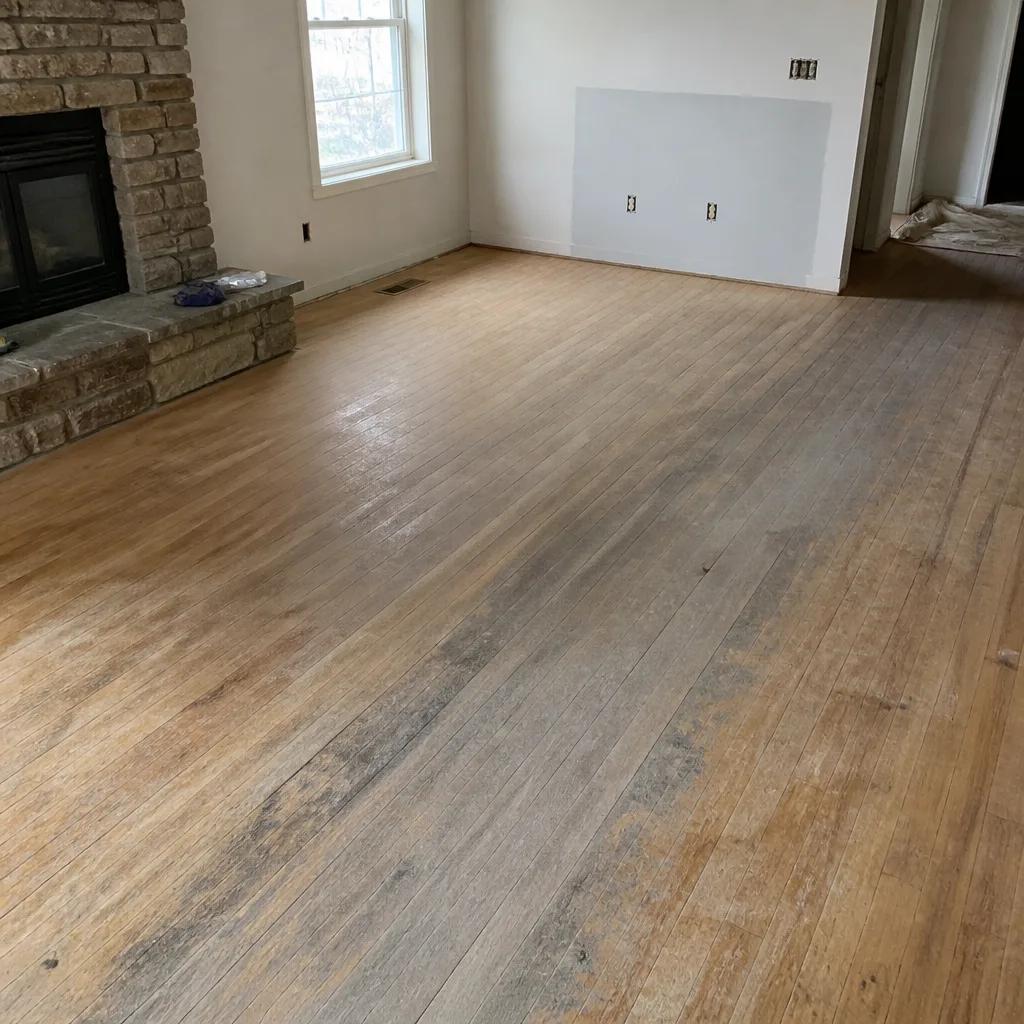 Before
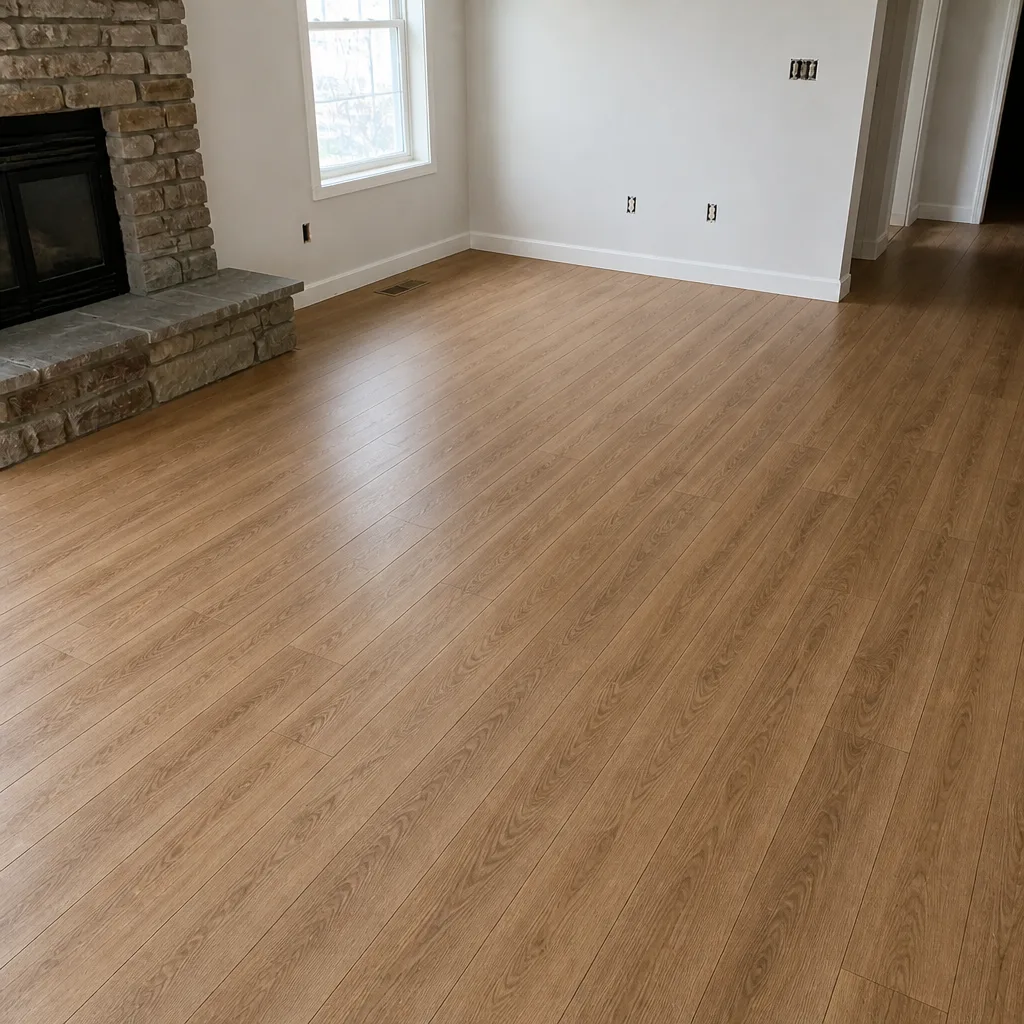 After
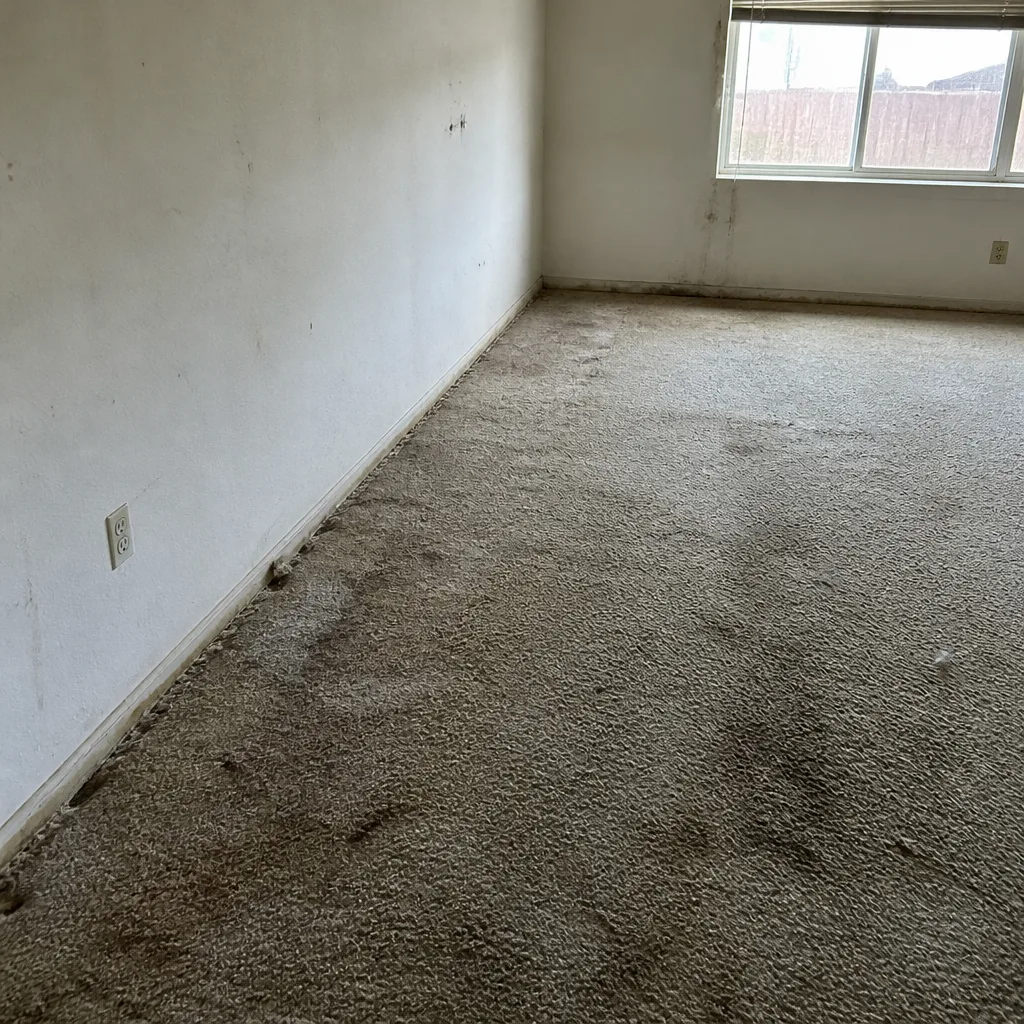 Before
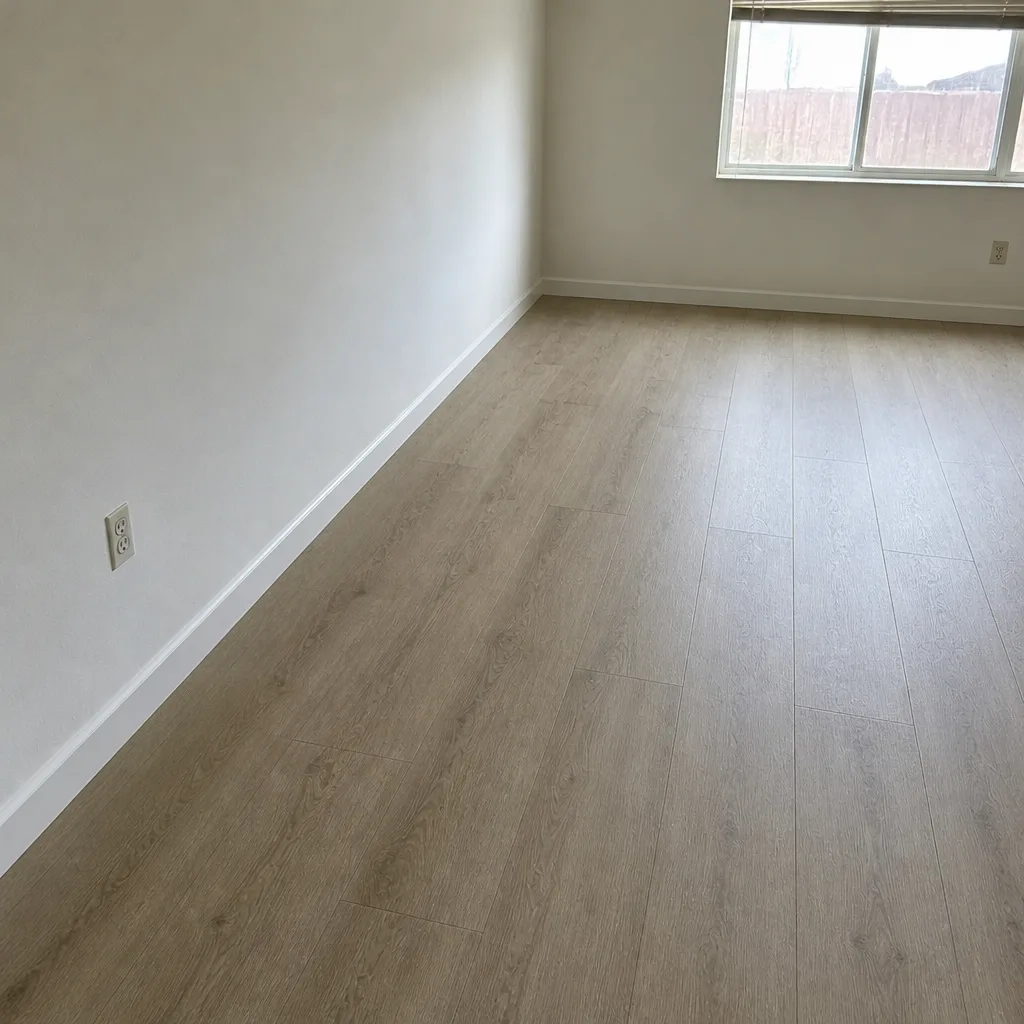 After
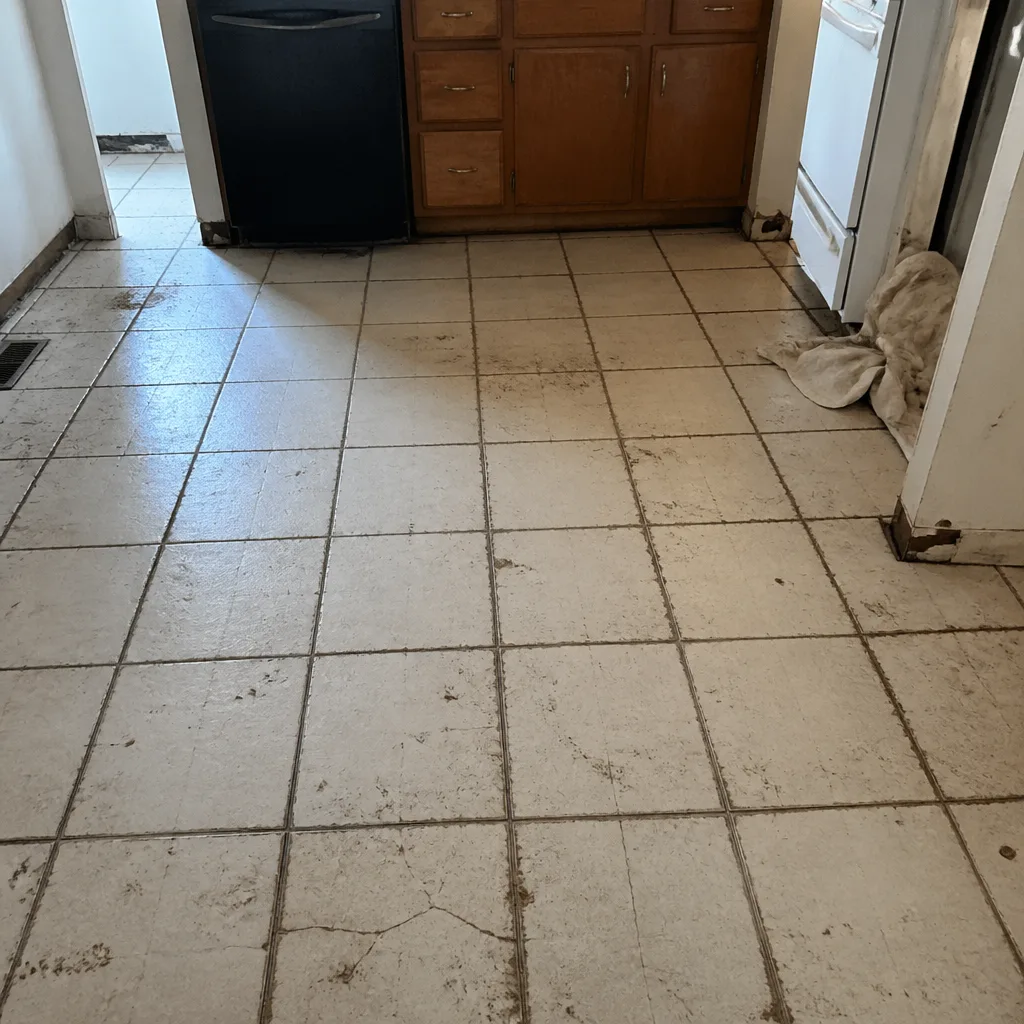 Before
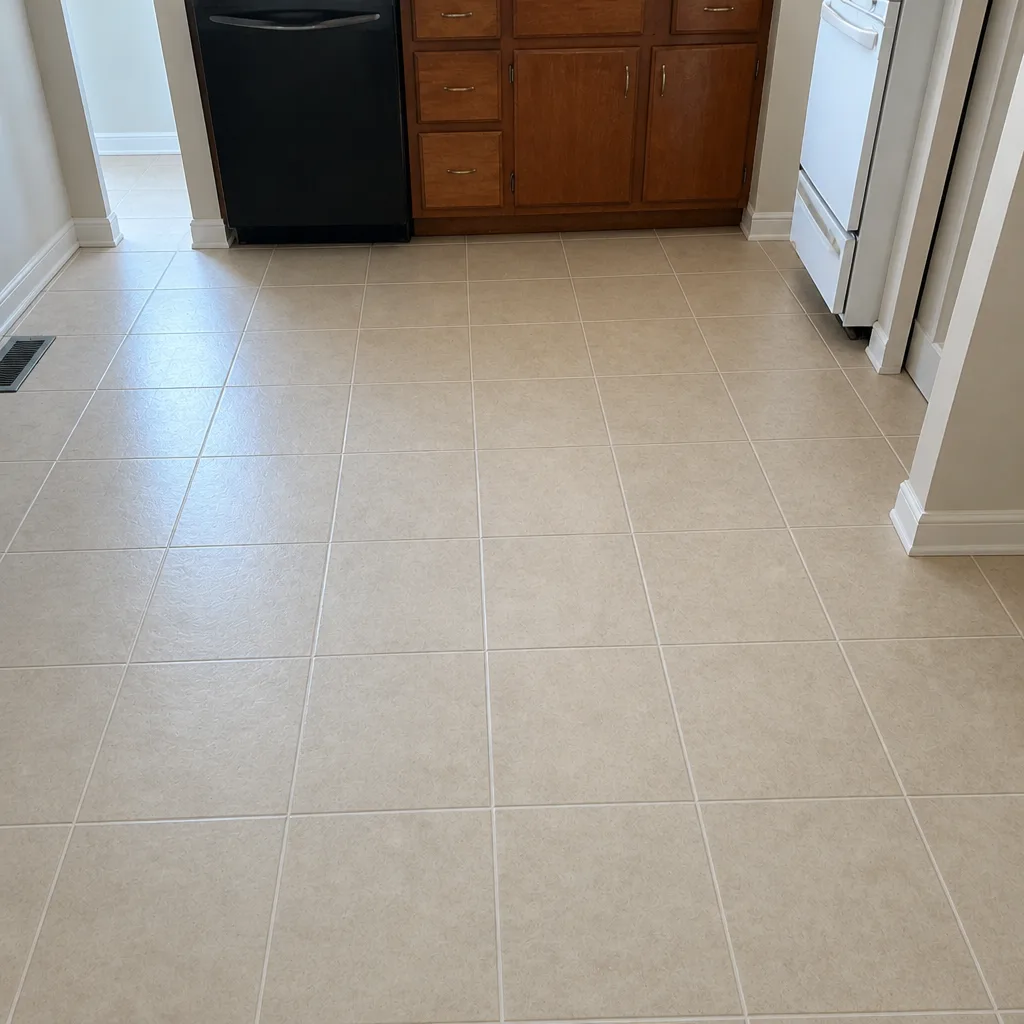 After
Frequently Asked Questions
Tile, luxury vinyl (COREtec, LifeProof), and carpet handle Enterprise’s low humidity and wide temperature swings more easily than solid hardwood. Engineered wood and laminate also work when they’re acclimated per the manufacturer’s instructions. The best choice depends on the room and the substrate, not just the climate.
On a slab, moisture vapor moves up through the concrete, so any floor installed directly over it needs to tolerate that moisture or be protected from it. That’s why we test the slab before recommending a product. Carpets, tile, and water-resistant luxury vinyl are usually the safest options for slab-level rooms.
Often, yes, but it depends on the thickness of the boards and their condition. Refinishing sands down the top layer and applies a new finish, which is usually less expensive than full replacement. We check the floor at the estimate visit before promising anything.
Pricing is set per job by a written estimate after an in-home measure. Every room has its own figure based on the surface, the product, and the subfloor prep required. Call (833) 620-6314 to schedule a free estimate, and we’ll give you a written price before any work is booked.
Yes. The in-home measure and estimate are free, and the written quote is what sets the final price. Nothing is booked until you’ve reviewed the written estimate. Call (833) 620-6314 to schedule yours.
The schedule is set at the estimate once the room count, surface mix, and product lead times are known. Multi-surface projects (carpet, tile, and hardwood in the same home) take longer than single-surface jobs because each surface has its own install day. Your written estimate spells out the expected timeline before anything is ordered.
The Bottom Line
Enterprise is not a generic American suburb for flooring purposes. The high desert climate forces every product decision: which planks acclimated properly, which surfaces tolerate a slab-on-grade foundation, which rooms need water-resistant products instead of laminate. Carpet, tile, and hardwood each have a real place in an Enterprise home, and the right pairing comes from matching surface to room, substrate, and moisture. A whole-home project doesn’t have to mean three contractors; one installer handling all three surfaces keeps the schedule, warranty, and communication simple. If you’ve been putting off a flooring decision because the choices feel overwhelming, the free estimate is where to start.
Get a Free Estimate in Enterprise
Whether you’re refinishing existing hardwood, replacing worn carpet, or adding tile to a kitchen and bath, the first step is always the same: a free in-home measure, a slab and subfloor check, and a written estimate covering each room. Call (833) 620-6314. We answer 24/7, and fast dispatch from 7am to 7pm runs Sunday through Friday. Our technicians have up to 12 years of experience, and we’re licensed and insured. Estimates are always free.
Written by the team at Enterprise Flooring Installation.